
Education
Educators in Palestine Forge Resilience Amid Crisis

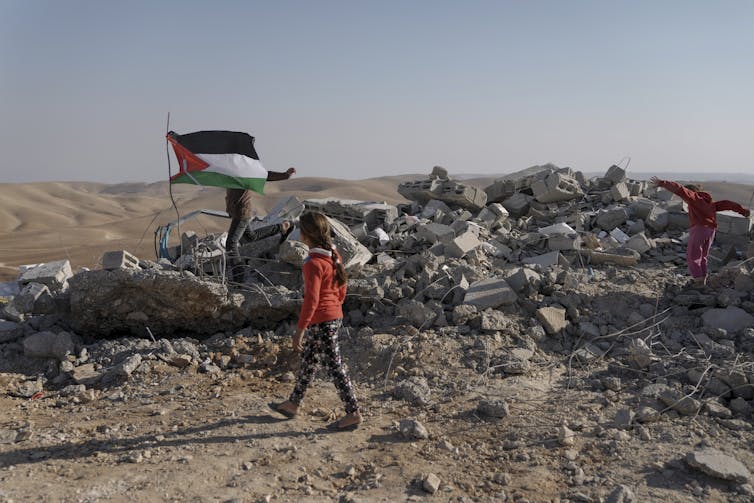
Educators and students in Palestine are finding ways to navigate the emotional toll of living in conflict zones, transforming their struggles into acts of care and resilience. Since January 2024, a collaboration involving the dean and professors at the Ibn Sina College in Nablus, Palestine, along with support from Université de Montréal International, has sought to understand and address the complex emotional landscapes shaped by ongoing violence and displacement.
The project, which runs until September 2025, aims to explore how educators and students articulate their emotions in a region marked by occupation. Palestinian university professors have expressed a pressing need to remain emotionally present for their students while confronting the pervasive impacts of Israel’s military actions and the humanitarian crisis in Gaza. They are actively seeking tools to help them manage their own emotional challenges, which include what they describe as resistance fatigue.
Resistance fatigue is characterized by a profound sense of loss of control over daily life, choices, and inner peace. This emotional exhaustion is compounded by the political realities of occupation, including forced displacement and restricted movement. Yet, another crucial emotion emerges within this context: qahr.
Understanding Qahr
Qahr, an Arabic term, encapsulates a unique emotional experience that blends powerlessness, grief, and a profound sense of injustice. It reflects the weight of oppression and the pain of being silenced and marginalized. As more than just a feeling, qahr embodies a form of action driven by the Palestinian resolve to resist erasure. This emotion manifests through storytelling, art, and everyday acts of defiance that challenge military occupation.
The concept of qahr offers a lens through which to view the resilience of individuals living in oppressive conditions. It serves as a reminder that even in despair, there is an opportunity for transformation and collective care, leading to political activism that reclaims dignity and existence.
In previous studies conducted with educators in Lebanon, findings revealed that similar emotional burdens are carried into classrooms. Teachers discussed their experiences of loss and trauma while also highlighting moments of hope and resistance. One teacher from Gaza, Asma, emphasized that “people in the Gaza Strip have become experts in creating alternative life plans,” illustrating the duality of suffering and resilience.
The CARE Initiative
In response to these insights, the CARE initiative has been developed. Standing for Connection, Action, Resistance, and Empowerment, this culturally adapted intervention was co-designed with professors and students at Ibn Sina College. It aims to address the emotional states of resistance fatigue and qahr through structured dialogues and training.
The CARE intervention incorporates principles of acceptance and commitment therapy, providing educators with practical strategies to engage with their emotional experiences. It encourages participants to create a shared space for discussing loss and commitment to teaching under challenging circumstances. The initiative has evolved into a comprehensive training module focusing on trauma and mental health, first delivered to nursing instructors and academics in the fall of 2025.
As these educators begin to implement CARE in their classrooms, they are not only addressing their emotional needs but also fostering an environment that promotes healing and resilience among students. This collaboration highlights the importance of understanding culturally specific emotional concepts to enhance supportive teaching practices.
Ongoing Collaboration
The partnership between researchers and Palestinian educators continues to grow. Discussions have focused on identifying key objectives aimed at developing psychosocial interventions that validate the emotions of those living under occupation. By recognizing the legitimacy of feelings like qahr, educators can better support their students and themselves.
The transformative power of this collaboration underscores the need for ongoing dialogue about emotional experiences in conflict zones. The lessons learned from this project offer valuable insights into how educators can channel their emotions into meaningful actions that foster hope and resilience.
As the situation in Palestine remains fraught with uncertainty, initiatives like CARE provide vital support to those navigating the complexities of life in a conflict zone. By prioritizing emotional well-being, educators and students alike can continue to cultivate spaces of care and resistance in the face of adversity.

Meta Plans Major Layoffs as AI Costs Surge

Alberta’s Referendum Could Pave Way for U.S. Statehood

Minooka District 201 Plans Enhanced Bilingual Support for Students

Canmore Approves Multiple Development Permits for New Projects

Remembering Bradly Castillo Shearsmith: A Life of Friendship and Joy

BIS Urges Watchdogs to Integrate Synthetic Risk Transfers in Stress Tests

Teva Transforms: Shifting Focus from Generics to Branded Success

Apple Launches AirPods Max 2 with Enhanced Audio Features

Ontario Ends Funding for Seven Supervised Injection Sites

Toyoake City Proposes Daily Two-Hour Smartphone Use Limit

Pedestrian Fatally Injured in Esquimalt Collision on August 14

B.C. Review Reveals Urgent Need for Rare-Disease Drug Reforms

Dark Adventure Game “Bye Sweet Carole” Set for October Release

Konami Revives Iconic Metal Gear Solid Delta Ahead of Release

Victoria’s Pop-Up Shop Shines Light on B.C.’s Wolf Cull

Jimmy Lai’s Defense Challenges Charges Under National Security Law

Snapmaker U1 Color 3D Printer Redefines Speed and Sustainability

Apple Expands Self-Service Repair Program to Canada
-
 Science1 year ago
Toyoake City Proposes Daily Two-Hour Smartphone Use Limit
-
 Top Stories1 year ago
Pedestrian Fatally Injured in Esquimalt Collision on August 14
-
 Health1 year ago
B.C. Review Reveals Urgent Need for Rare-Disease Drug Reforms
-
 Technology1 year ago
Dark Adventure Game “Bye Sweet Carole” Set for October Release
-
 Technology1 year ago
Konami Revives Iconic Metal Gear Solid Delta Ahead of Release
-
 Lifestyle1 year ago
Victoria’s Pop-Up Shop Shines Light on B.C.’s Wolf Cull
-
 World1 year ago
Jimmy Lai’s Defense Challenges Charges Under National Security Law
-
 Technology1 year ago
Snapmaker U1 Color 3D Printer Redefines Speed and Sustainability
-
 Technology1 year ago
Apple Expands Self-Service Repair Program to Canada
-

 Technology1 year ago
AION Folding Knife: Redefining EDC Design with Premium Materials
-

 Technology1 year ago
Solve Today’s Wordle Challenge: Hints and Answer for August 19
-

 Business1 year ago
Gordon Murray Automotive Unveils S1 LM and Le Mans GTR at Monterey