
Education
Illinois Advances Education Laws on Immigrant Rights and AI Use

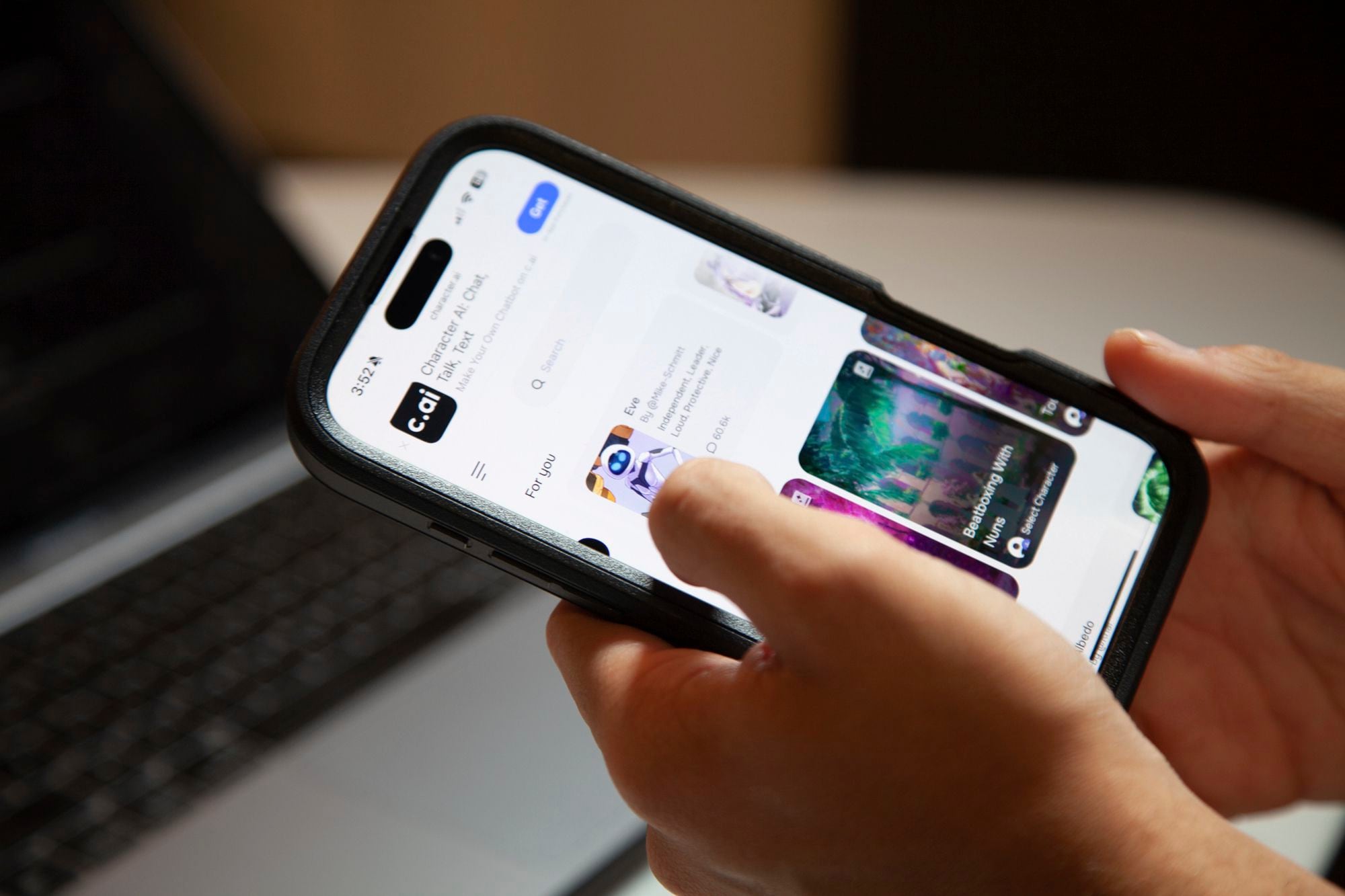
In a significant move for public education, Illinois lawmakers have enacted new legislation addressing immigrant rights and the integration of artificial intelligence (AI) in classrooms. These laws, set to take effect on January 1, 2025, aim to ensure equitable access to education for all students while navigating the complexities introduced by emerging technologies.
The spotlight on immigrant rights intensified following the second inauguration of President Donald Trump in January 2025. On the day of his inauguration, the Department of Homeland Security rescinded a policy from the Biden administration that had limited immigration enforcement at schools and other sensitive locations. In response, Tony Sanders, Illinois Superintendent of Education, issued guidance urging local school officials to establish clear policies regarding cooperation with federal immigration enforcement.
The Illinois General Assembly quickly responded to these developments. Among the new laws is House Bill 3247, signed into law on August 15, 2025. This legislation prohibits schools from excluding students based on their immigration status or that of their guardians. As stated by Lawrence Benito, executive director of the Illinois Coalition for Immigrant and Refugee Rights, the law aims to uphold the principle of education for all children in Illinois despite federal threats.
Under this law, schools cannot request or disclose information about a student’s immigration status unless mandated by state or federal law. Importantly, starting July 1, 2025, schools found in violation of these provisions may face civil lawsuits for damages.
Another measure, House Bill 460, expands access to publicly funded scholarships for students regardless of their immigration status. This builds upon existing Illinois law which already provides state-funded financial aid to students meeting residency requirements, allowing local government-administered programs to follow suit.
The growing presence of AI technologies in education has also prompted legislative action. House Bill 1859 mandates that community colleges ensure that courses are taught by qualified human instructors rather than relying solely on AI systems. The bill acknowledges AI as a valuable tool for enhancing teaching and learning but emphasizes the necessity of human oversight in education.
As AI becomes more prevalent, the Illinois State Board of Education (ISBE) is tasked with developing comprehensive guidelines for its use in K-12 settings through Senate Bill 1920. This law requires ISBE to provide districts with information on AI, its implications for data privacy, and best practices for teaching students about its responsible use. The guidance is expected to be published by July 1, 2025.
Additionally, new laws beginning January 1, 2025, will allow seventh and eighth graders to earn high school credits by enrolling in high school courses, provided they demonstrate proficiency. House Bill 3039 outlines this initiative, while House Bill 1366 mandates that parents of students with special needs be informed of their right to bring an advocate to meetings regarding their children’s Individual Education Plans (IEPs).
These legislative actions reflect a commitment to ensuring that all students, regardless of their immigration status or the challenges posed by advancing technology, have the opportunity to access quality education in Illinois.

Meta Plans Major Layoffs as AI Costs Surge

Alberta’s Referendum Could Pave Way for U.S. Statehood

Minooka District 201 Plans Enhanced Bilingual Support for Students

Canmore Approves Multiple Development Permits for New Projects

Remembering Bradly Castillo Shearsmith: A Life of Friendship and Joy

BIS Urges Watchdogs to Integrate Synthetic Risk Transfers in Stress Tests

Teva Transforms: Shifting Focus from Generics to Branded Success

Apple Launches AirPods Max 2 with Enhanced Audio Features

Ontario Ends Funding for Seven Supervised Injection Sites

Toyoake City Proposes Daily Two-Hour Smartphone Use Limit

Pedestrian Fatally Injured in Esquimalt Collision on August 14

B.C. Review Reveals Urgent Need for Rare-Disease Drug Reforms

Dark Adventure Game “Bye Sweet Carole” Set for October Release

Konami Revives Iconic Metal Gear Solid Delta Ahead of Release

Victoria’s Pop-Up Shop Shines Light on B.C.’s Wolf Cull

Jimmy Lai’s Defense Challenges Charges Under National Security Law

Snapmaker U1 Color 3D Printer Redefines Speed and Sustainability

Apple Expands Self-Service Repair Program to Canada
-
 Science1 year ago
Toyoake City Proposes Daily Two-Hour Smartphone Use Limit
-
 Top Stories1 year ago
Pedestrian Fatally Injured in Esquimalt Collision on August 14
-
 Health1 year ago
B.C. Review Reveals Urgent Need for Rare-Disease Drug Reforms
-
 Technology1 year ago
Dark Adventure Game “Bye Sweet Carole” Set for October Release
-
 Technology1 year ago
Konami Revives Iconic Metal Gear Solid Delta Ahead of Release
-
 Lifestyle1 year ago
Victoria’s Pop-Up Shop Shines Light on B.C.’s Wolf Cull
-
 World1 year ago
Jimmy Lai’s Defense Challenges Charges Under National Security Law
-
 Technology1 year ago
Snapmaker U1 Color 3D Printer Redefines Speed and Sustainability
-
 Technology1 year ago
Apple Expands Self-Service Repair Program to Canada
-

 Technology1 year ago
AION Folding Knife: Redefining EDC Design with Premium Materials
-

 Technology1 year ago
Solve Today’s Wordle Challenge: Hints and Answer for August 19
-

 Business1 year ago
Gordon Murray Automotive Unveils S1 LM and Le Mans GTR at Monterey