
Education
Teacher David Wray’s Grooming Case Raises Alarm in Manitoba

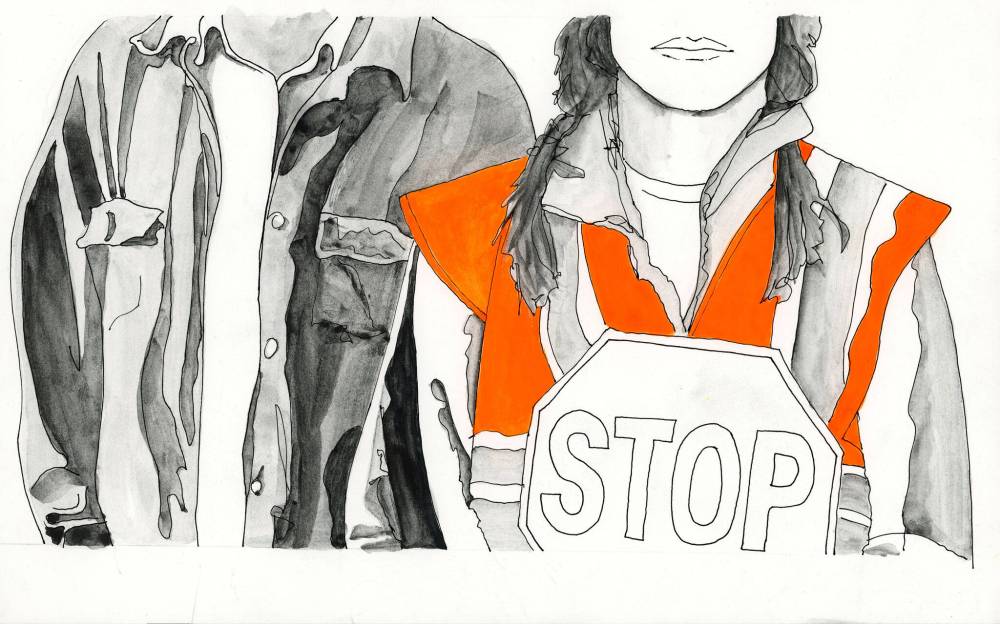
The case of former teacher David Wray has raised serious concerns about the safety of children in educational institutions in Manitoba. Once viewed as a dedicated educator at Sherwood School in the River East Transcona division, Wray has been accused of grooming and psychologically manipulating a young student over several years, prompting calls for systemic reforms in teacher oversight.
Wray’s relationship with his Grade 3 student began under the guise of mentorship. Charismatic and engaging, he was known for connecting with parents and creating social clubs for children. However, beneath the surface, he was developing an inappropriate obsession. Over a span of three years, starting when the girl was just eight years old, he isolated her in the classroom and sent her hundreds of inappropriate messages, while fellow educators failed to intervene.
The family of the victim, who has chosen to remain anonymous, expressed their disillusionment after discovering the extent of Wray’s behavior. “We thought our child was lucky to have a teacher who was so focused on her development,” the mother reflected. Yet, as they learned more, their initial trust transformed into betrayal. Wray’s actions escalated from inappropriate comments to attempts to involve himself in the family’s personal life, ultimately leading to psychological abuse.
When they sought help from the Winnipeg Police Service, they encountered a frustrating response. Despite presenting what they believed to be substantial evidence—including texts that demonstrated Wray’s intentions—the family was informed that the behavior did not constitute a crime. “Every time we tried to get help, we were roadblocked,” the mother recalled, her voice tinged with emotion.
The education system did not provide the support they needed either. Wray resigned quietly from his position and maintained his teaching certification for several years until it was finally revoked in January 2023. The family was left feeling that the system was more concerned with protecting its own than with the safety of students. “It’s like the Catholic Church or something,” the father lamented, highlighting a perception of complicity in covering up misconduct.
The Manitoba government has since promised reforms aimed at increasing student safety, including the establishment of an online teacher registry and an independent commissioner to oversee teacher conduct. This online portal allows parents to verify the status of teachers’ certifications. Currently, there are 122 teachers with suspended or cancelled licenses since 1990, though no details are provided about the reasons for these actions.
An investigation into teacher misconduct revealed that while many cases involved criminal activity, others, like Wray’s, lacked sufficient documentation. His name appeared only once in a protection order that expired before the family could secure a more permanent solution. The situation has raised questions about how many cases of serious misconduct remain hidden from the public eye.
As the victim grew older, she began to understand that Wray’s behavior was not normal. The first unsettling incident occurred when he asked her to read a letter he had typed on an iPad, confessing his feelings for her. “I remember throwing up a bit in my mouth,” she said, recalling the moment with clarity. Wray pressured her to rewrite her response until it aligned with his desires, further exemplifying his manipulative tactics.
Despite growing unease, the girl hesitated to disclose her experiences. She worried about the consequences for her family and feared Wray’s reaction. His behavior intensified, with late-night texts and attempts to maintain a presence in her life outside the classroom. When she expressed her discomfort, Wray’s response was to dismiss her feelings, reinforcing his control.
Eventually, it was her sister who alerted their parents, voicing concerns about Wray’s behavior. Upon revealing the truth, the family was devastated. “It was the most frightening, awful thing that a parent can hear,” the mother stated, grappling with feelings of guilt for not recognizing the signs sooner.
The subsequent police investigation fell short of the family’s expectations. Officers did not formally interview the victim, instead focusing on technicalities that precluded charges. “They told us they couldn’t proceed because there was no evidence of physical contact,” the father recounted, expressing disbelief that grooming behaviors were not treated as criminal.
Legal experts highlighted the difficulties in prosecuting grooming cases, noting that intent must be proven to establish a crime. Brandon Trask, a law professor at the University of Manitoba, explained that proving intent to facilitate a sexual crime often complicates investigations, even when substantial evidence exists.
Despite the family’s pleas for action, Wray faced no legal repercussions. The police classified the situation as “non-criminal,” leaving the family feeling powerless. They later sought a protection order, which was initially denied, further compounding their sense of betrayal. Eventually, a three-year protection order was granted, but it did little to alleviate their fears.
In the aftermath, Wray continued to attempt contact with the victim through social media, prompting the family to reinforce their boundaries. “He should have been in jail back then,” the father insisted, highlighting the ongoing emotional toll on their family.
The scars of this experience have lingered for the victim, who expressed that she received no school-based support or therapy. “I don’t trust anybody anymore,” she stated, encapsulating the profound impact of Wray’s actions on her life.
As the family recounts their ordeal, they hope to raise awareness about grooming behaviors and advocate for better protective measures in schools. The case has prompted discussions about systemic failures that allow such misconduct to go unchecked, with experts calling for more robust accountability mechanisms within educational institutions.
Wray’s teaching license has been officially cancelled, but the family believes that the repercussions should extend beyond his professional life. “I want everybody to know his name,” the victim emphasized, advocating for greater education and understanding around the issue of grooming.
While the Manitoba government has initiated changes aimed at improving safety for students, the effectiveness of these reforms remains to be seen. The family’s experience underscores a critical need for vigilance and accountability within the educational system to ensure that the safety and well-being of children take precedence over institutional interests.

Meta Plans Major Layoffs as AI Costs Surge

Alberta’s Referendum Could Pave Way for U.S. Statehood

Minooka District 201 Plans Enhanced Bilingual Support for Students

Canmore Approves Multiple Development Permits for New Projects

Remembering Bradly Castillo Shearsmith: A Life of Friendship and Joy

BIS Urges Watchdogs to Integrate Synthetic Risk Transfers in Stress Tests

Teva Transforms: Shifting Focus from Generics to Branded Success

Apple Launches AirPods Max 2 with Enhanced Audio Features

Ontario Ends Funding for Seven Supervised Injection Sites

Toyoake City Proposes Daily Two-Hour Smartphone Use Limit

Pedestrian Fatally Injured in Esquimalt Collision on August 14

B.C. Review Reveals Urgent Need for Rare-Disease Drug Reforms

Dark Adventure Game “Bye Sweet Carole” Set for October Release

Konami Revives Iconic Metal Gear Solid Delta Ahead of Release

Jimmy Lai’s Defense Challenges Charges Under National Security Law

Victoria’s Pop-Up Shop Shines Light on B.C.’s Wolf Cull

Snapmaker U1 Color 3D Printer Redefines Speed and Sustainability

Apple Expands Self-Service Repair Program to Canada
-
 Science10 months ago
Toyoake City Proposes Daily Two-Hour Smartphone Use Limit
-
 Top Stories10 months ago
Pedestrian Fatally Injured in Esquimalt Collision on August 14
-
 Health10 months ago
B.C. Review Reveals Urgent Need for Rare-Disease Drug Reforms
-
 Technology10 months ago
Dark Adventure Game “Bye Sweet Carole” Set for October Release
-
 Technology10 months ago
Konami Revives Iconic Metal Gear Solid Delta Ahead of Release
-
 World10 months ago
Jimmy Lai’s Defense Challenges Charges Under National Security Law
-
 Lifestyle10 months ago
Victoria’s Pop-Up Shop Shines Light on B.C.’s Wolf Cull
-
 Technology10 months ago
Snapmaker U1 Color 3D Printer Redefines Speed and Sustainability
-
 Technology10 months ago
Apple Expands Self-Service Repair Program to Canada
-

 Technology10 months ago
AION Folding Knife: Redefining EDC Design with Premium Materials
-

 Technology10 months ago
Solve Today’s Wordle Challenge: Hints and Answer for August 19
-

 Business10 months ago
Gordon Murray Automotive Unveils S1 LM and Le Mans GTR at Monterey