
Health
19 Kashechewan Residents Test Positive for Cryptosporidium

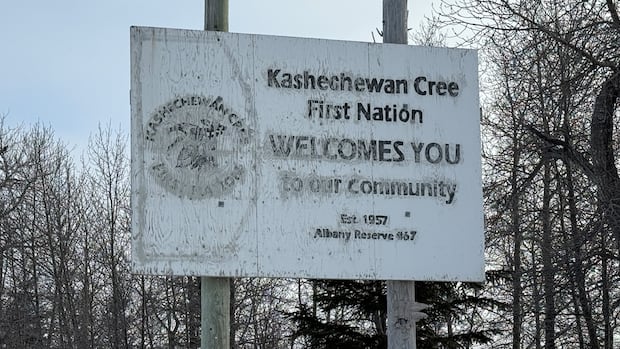
Officials in the Kashechewan First Nation have reported that 19 community members have tested positive for a parasite known as cryptosporidium. This parasite can lead to gastrointestinal symptoms including diarrhea and stomach pain. While many cases resolve independently with adequate rest and hydration, individuals who are immunocompromised, infants, or seniors may require antimicrobial treatment.
Public health authorities are collaborating to investigate the source of the contamination. According to Indigenous Services Canada, officials from Ontario’s public health and the Northeastern Public Health Unit are actively involved in this effort. “There are still a lot of things that need to be tested to find out where that parasite is coming from,” stated Tyson Wesley, the executive director of Kashechewan, in an email to CBC News.
Cryptosporidium is typically found in contaminated soil, feces, and lake water. Infection can occur through consumption of contaminated food or water, or via direct contact with an infected individual.
Emergency Declared Amid Water Treatment Issues
The situation has escalated to a state of emergency, declared by Kashechewan Chief Hosea Wesley on January 4, 2023, following the malfunction of the community’s water treatment plant due to defective pumps. This has led to evacuations as residents struggle with access to clean drinking water. Repairs to the plant are currently in progress, but officials are awaiting testing results to confirm the water’s safety.
While E. coli has not been detected in samples from the treatment plant or in stool samples from patients with gastrointestinal symptoms, the source of the cryptosporidium remains undetermined. This adds to the community’s concerns, especially considering that a flooding incident in 2005 had previously compromised local drinking water, resulting in positive E. coli tests.
Long-Term Water Infrastructure Challenges
Wesley highlighted the chronic underfunding of the water treatment facility, stating, “There were funds distributed to us to maintain that water plant, but that was 20 years ago.” He emphasized the community’s growing population and the lack of redundancy in the current system, which has not kept pace with their needs.
The Kashechewan First Nation is located in a flood plain and faces annual evacuations during the spring. Long-term planning for infrastructure improvements, such as a new water treatment plant, has been complicated by ongoing discussions about relocating the community approximately 30 kilometers north to safer terrain.
Wesley noted that previous commitments from both the Harper and Trudeau administrations to facilitate this move have yet to materialize, leaving the future of the community uncertain under the current government led by Prime Minister Mark Carney. The urgent need for reliable water infrastructure and health safety measures remains a pressing concern for the residents of Kashechewan.

Meta Plans Major Layoffs as AI Costs Surge

Alberta’s Referendum Could Pave Way for U.S. Statehood

Minooka District 201 Plans Enhanced Bilingual Support for Students

Canmore Approves Multiple Development Permits for New Projects

Remembering Bradly Castillo Shearsmith: A Life of Friendship and Joy

BIS Urges Watchdogs to Integrate Synthetic Risk Transfers in Stress Tests

Teva Transforms: Shifting Focus from Generics to Branded Success

Apple Launches AirPods Max 2 with Enhanced Audio Features

Ontario Ends Funding for Seven Supervised Injection Sites

Toyoake City Proposes Daily Two-Hour Smartphone Use Limit

Pedestrian Fatally Injured in Esquimalt Collision on August 14

B.C. Review Reveals Urgent Need for Rare-Disease Drug Reforms

Dark Adventure Game “Bye Sweet Carole” Set for October Release

Konami Revives Iconic Metal Gear Solid Delta Ahead of Release

Victoria’s Pop-Up Shop Shines Light on B.C.’s Wolf Cull

Jimmy Lai’s Defense Challenges Charges Under National Security Law

Snapmaker U1 Color 3D Printer Redefines Speed and Sustainability

Apple Expands Self-Service Repair Program to Canada
-
 Science11 months ago
Toyoake City Proposes Daily Two-Hour Smartphone Use Limit
-
 Top Stories11 months ago
Pedestrian Fatally Injured in Esquimalt Collision on August 14
-
 Health11 months ago
B.C. Review Reveals Urgent Need for Rare-Disease Drug Reforms
-
 Technology11 months ago
Dark Adventure Game “Bye Sweet Carole” Set for October Release
-
 Technology11 months ago
Konami Revives Iconic Metal Gear Solid Delta Ahead of Release
-
 Lifestyle11 months ago
Victoria’s Pop-Up Shop Shines Light on B.C.’s Wolf Cull
-
 World11 months ago
Jimmy Lai’s Defense Challenges Charges Under National Security Law
-
 Technology11 months ago
Snapmaker U1 Color 3D Printer Redefines Speed and Sustainability
-
 Technology11 months ago
Apple Expands Self-Service Repair Program to Canada
-

 Technology11 months ago
AION Folding Knife: Redefining EDC Design with Premium Materials
-

 Technology11 months ago
Solve Today’s Wordle Challenge: Hints and Answer for August 19
-

 Business11 months ago
Gordon Murray Automotive Unveils S1 LM and Le Mans GTR at Monterey