
Health
Canadian Health Experts Warn of Strain During FIFA World Cup

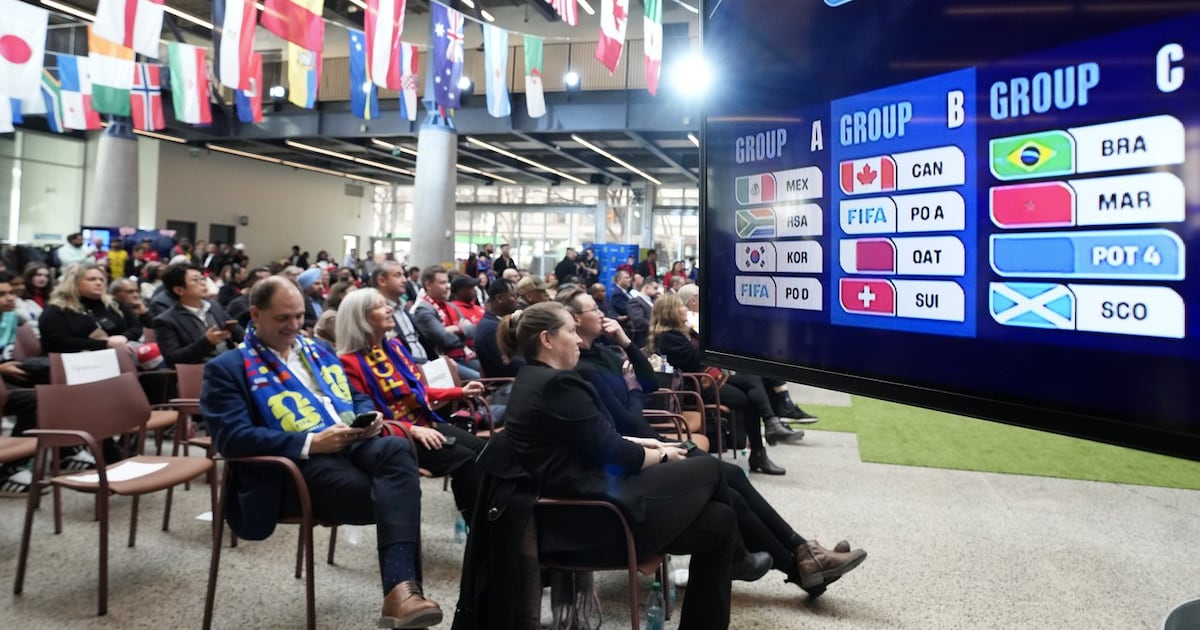
As Canada prepares to host the FIFA World Cup in June 2026, health care professionals in Toronto and Vancouver are expressing significant concerns about the potential strain on emergency services. With an expected influx of over 300,000 soccer fans, the prospect of unexpected surges in patient numbers during the tournament raises alarms about the capacity of local health systems to respond effectively.
In an editorial published in the Canadian Medical Association Journal, Dr. Catherine Varner, an emergency medicine physician in Toronto, highlights the vulnerabilities within the health care system that need urgent attention. She articulated her worries about how the emergency departments could cope with sudden increases in patients during the high-profile event.
Anticipating Health Risks
Public health officials are already on alert, monitoring potential health risks associated with large gatherings. Local health authorities, including Public Health Ontario, have identified measles, food-borne illnesses, and COVID-19 as significant concerns. Both Toronto and Vancouver are equipped with wastewater surveillance systems designed to detect infectious disease outbreaks, a proactive measure in anticipation of the World Cup.
Dr. Varner recalled her experiences during previous major events, noting a marked increase in trauma and alcohol-related cases. She emphasized that the challenge extends beyond typical incidents, pointing out that during significant gatherings, local hospitals often operate at or above capacity. “On nights like those, I worry about the urgent need for hospital beds,” Varner stated. “On one occasion, there was only one ICU bed available.”
She drew attention to the devastating fire that occurred on New Year’s Eve in a Swiss bar, which overwhelmed nearby hospitals with dozens of burn patients needing immediate care. “I can’t think of a hospital right now in downtown Toronto that could take on 80 patients all of a sudden,” she said, underscoring the risk of unexpected emergencies during the World Cup.
Potential Cascading Effects
Dr. Raghu Venugopal, another Toronto emergency physician, reiterated these concerns, suggesting that even a hypothetical disaster, such as a stadium bleacher collapse, could have catastrophic effects. “We would see multiple broken bones and internal organ injuries,” he noted. “Hospitals would be overwhelmed, and we simply do not have the beds.”
Venugopal described a typical day in the hospital, where even minor incidents can lead to a shortage of available beds. He emphasized the need for preparedness during a global event like the World Cup, stating, “If we can’t accommodate an 84-year-old patient with RSV on a normal Friday, how are we expected to handle a major event?”
In Vancouver, Dr. Brian Conway, medical director of the Vancouver Infectious Diseases Centre, expressed particular concern about measles. He referenced an outbreak that infected over 80 individuals following the Vancouver Olympics in 2010. “Since then, vaccination rates have declined, and the illness has resurfaced,” he said. “We must consider the implications if an international fan is told they need to isolate in their hotel if exposed to measles.”
To address these challenges, Public Health Ontario recently published a risk assessment document aimed at guiding local governments and health providers in managing care effectively during the World Cup. The report classified measles, food-borne illnesses, and COVID-19 as moderate risks and recommended ongoing monitoring of epidemiological trends.
Furthermore, it advised health officials to prepare for potential surges in patient numbers and to enhance surveillance measures during the tournament. The report acknowledged the inherent unpredictability of local and global health trends, suggesting that officials should reassess risks as the event date approaches.
During the pandemic, hospitals developed communication protocols to optimize critical care resources when every intensive care bed was vital. Dr. Varner believes that similar collaborative planning is essential ahead of the World Cup. “Let’s plan early so that we’re not scrambling in the middle of the night to figure out how to provide care when resources are scarce,” she urged.
With just months to go before the tournament begins, the focus remains on ensuring that Canada’s health care system can withstand the potential pressures of hosting a global sporting event. This report highlights the urgent need for strategic planning and collaboration among health officials to safeguard both the health of visitors and the capacity of local medical facilities.

Meta Plans Major Layoffs as AI Costs Surge

Alberta’s Referendum Could Pave Way for U.S. Statehood

Minooka District 201 Plans Enhanced Bilingual Support for Students

Canmore Approves Multiple Development Permits for New Projects

Remembering Bradly Castillo Shearsmith: A Life of Friendship and Joy

BIS Urges Watchdogs to Integrate Synthetic Risk Transfers in Stress Tests

Teva Transforms: Shifting Focus from Generics to Branded Success

Apple Launches AirPods Max 2 with Enhanced Audio Features

Ontario Ends Funding for Seven Supervised Injection Sites

Toyoake City Proposes Daily Two-Hour Smartphone Use Limit

Pedestrian Fatally Injured in Esquimalt Collision on August 14

B.C. Review Reveals Urgent Need for Rare-Disease Drug Reforms

Dark Adventure Game “Bye Sweet Carole” Set for October Release

Konami Revives Iconic Metal Gear Solid Delta Ahead of Release

Victoria’s Pop-Up Shop Shines Light on B.C.’s Wolf Cull

Jimmy Lai’s Defense Challenges Charges Under National Security Law

Snapmaker U1 Color 3D Printer Redefines Speed and Sustainability

Apple Expands Self-Service Repair Program to Canada
-
 Science11 months ago
Toyoake City Proposes Daily Two-Hour Smartphone Use Limit
-
 Top Stories11 months ago
Pedestrian Fatally Injured in Esquimalt Collision on August 14
-
 Health11 months ago
B.C. Review Reveals Urgent Need for Rare-Disease Drug Reforms
-
 Technology11 months ago
Dark Adventure Game “Bye Sweet Carole” Set for October Release
-
 Technology11 months ago
Konami Revives Iconic Metal Gear Solid Delta Ahead of Release
-
 Lifestyle11 months ago
Victoria’s Pop-Up Shop Shines Light on B.C.’s Wolf Cull
-
 World11 months ago
Jimmy Lai’s Defense Challenges Charges Under National Security Law
-
 Technology11 months ago
Snapmaker U1 Color 3D Printer Redefines Speed and Sustainability
-
 Technology11 months ago
Apple Expands Self-Service Repair Program to Canada
-

 Technology11 months ago
AION Folding Knife: Redefining EDC Design with Premium Materials
-

 Technology11 months ago
Solve Today’s Wordle Challenge: Hints and Answer for August 19
-

 Business11 months ago
Gordon Murray Automotive Unveils S1 LM and Le Mans GTR at Monterey