
Health
Canadians Embrace Plant-Based Diets Amid Rising Food Prices

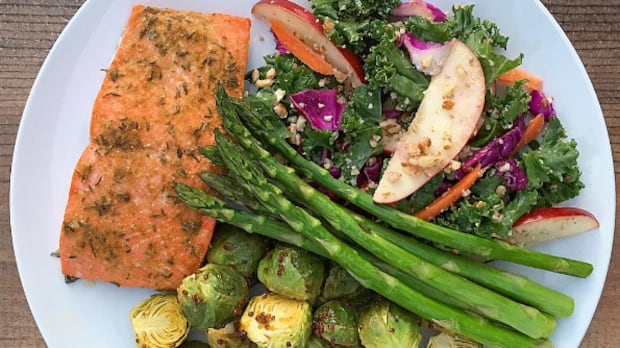
Canadians are increasingly shifting towards plant-based diets as rising food prices and supply chain issues prompt a reevaluation of their eating habits. According to the latest Canadian Food Sentiment Index from Dalhousie University’s Agri-Food Analytics Lab, while many Canadians identify as omnivores, a growing number are adopting a flexitarian approach. This shift emphasizes a diet that incorporates more plant-based foods without strictly adhering to vegan or vegetarian labels.
Cara Karsdorf, a registered dietitian and co-owner of Waterloo’s Blueprint Nutrition, emphasizes the importance of adding plants to everyday meals. “It’s more about plant-forward or plant-based eating versus having a label and lots of restrictions around what you can’t eat,” she states. Simple changes can significantly enhance plant intake, such as adding greens to scrambled eggs or incorporating sliced fruit into cereal. Karsdorf suggests gradually increasing vegetable servings while exploring protein-rich alternatives like chickpeas.
Nutrition and Dietary Considerations
As individuals make dietary changes, it is crucial to ensure they receive adequate nutrients, including protein, vitamins B12 and D, iron, calcium, and Omega-3 fatty acids. Rosanne Robinson, Karsdorf’s business partner and specialist in pediatric and family nutrition, advises that those worried about dietary shifts should consult a dietitian. “Eliminating certain foods can sometimes mask other issues,” Robinson notes. “We want to ensure they get proper care and support and help heal their relationship with food.”
While many seek to improve health through dietary changes, caution is advised against relying heavily on ultra-processed meat alternatives, such as some substitute burgers and nuggets. These products can be high in sodium, sugar, and unhealthy fats while offering fewer nutrients than whole plant foods.
Budget-conscious families may also benefit from exploring plant-based options. Preparing and freezing seasonal produce can mitigate costs during colder months. Going meatless for just one day a week can lead to significant savings over the course of a year, particularly for larger families. Plant-based proteins like tofu are typically less expensive than animal-based counterparts and can be stored for extended periods, unlike perishable meats.
Global Inspiration for Plant-Based Meals
Countries with rich vegetarian traditions, such as India, Mexico, and Taiwan, offer flavorful dishes that celebrate diverse, nutrient-dense ingredients rather than serving as mere substitutes for meat. Chef Taruneet Walia, owner of Flavours by Taruneet, underscores the importance of flavor in vegetarian cooking. “All vegetarian food is made of flavours,” Walia explains. “The flavour comes from the spices we are using rather than the meat itself.”
Walia recommends various ways to prepare vegetables to enhance their taste. For root vegetables, simple seasonings like salt and pepper can be combined with blended spices for more complex flavors. For cruciferous vegetables, sautéing with onions and ginger, and seasoning with spices like turmeric and cumin can elevate the dish. He also suggests adding greens to sautéed onions and garlic, which can be complemented with cottage cheese or lentils.
As part of embracing a plant-based lifestyle, Walia shares a recipe for a creamy vegan mushroom soup that is both quick and packed with protein. Here’s how to prepare it:
Vegan Cream of Mushroom Soup
– **Yield:** 800 ml (or more)
– **Prep Time:** 5 minutes
– **Cooking Time:** 30 minutes
**Ingredients:**
– 2 tablespoons olive oil
– 4 garlic cloves, chopped
– 1 small onion, chopped
– 225 grams cremini or white mushrooms, sliced
– 1 teaspoon fresh thyme or 1/3 teaspoon dried thyme
– Black pepper and salt to taste
– 300 grams soft or silken tofu (1 container)
– Optional: Red chili flakes to taste
– 250 ml water, plus more if needed
– Garnish: Olive oil
**Instructions:**
1. Heat the olive oil over medium heat, then add the onions and garlic. Sauté until the onions are translucent and the garlic is lightly toasted.
2. Stir in the sliced mushrooms, thyme, salt, and pepper. Reduce the heat to medium-low and continue to sauté for about four minutes.
3. Reserve one tablespoon of the mixture for garnish and set aside.
4. Add water and tofu to the pot, stirring well. Bring to a boil, then reduce heat to low and cook for two minutes.
5. Blend the mixture until smooth, adjusting consistency and flavor to taste. Bring back to a boil and simmer for two minutes.
6. Garnish with the reserved sautéed mushroom mixture and a drizzle of olive oil before serving hot.
With practical advice and delicious recipes, Canadians are finding that incorporating more plant-based foods into their diets can be achievable and beneficial for both health and budget.

Meta Plans Major Layoffs as AI Costs Surge

Alberta’s Referendum Could Pave Way for U.S. Statehood

Minooka District 201 Plans Enhanced Bilingual Support for Students

Canmore Approves Multiple Development Permits for New Projects

Remembering Bradly Castillo Shearsmith: A Life of Friendship and Joy

BIS Urges Watchdogs to Integrate Synthetic Risk Transfers in Stress Tests

Teva Transforms: Shifting Focus from Generics to Branded Success

Apple Launches AirPods Max 2 with Enhanced Audio Features

Ontario Ends Funding for Seven Supervised Injection Sites

Toyoake City Proposes Daily Two-Hour Smartphone Use Limit

Pedestrian Fatally Injured in Esquimalt Collision on August 14

B.C. Review Reveals Urgent Need for Rare-Disease Drug Reforms

Dark Adventure Game “Bye Sweet Carole” Set for October Release

Konami Revives Iconic Metal Gear Solid Delta Ahead of Release

Victoria’s Pop-Up Shop Shines Light on B.C.’s Wolf Cull

Jimmy Lai’s Defense Challenges Charges Under National Security Law

Snapmaker U1 Color 3D Printer Redefines Speed and Sustainability

Apple Expands Self-Service Repair Program to Canada
-
 Science11 months ago
Toyoake City Proposes Daily Two-Hour Smartphone Use Limit
-
 Top Stories11 months ago
Pedestrian Fatally Injured in Esquimalt Collision on August 14
-
 Health11 months ago
B.C. Review Reveals Urgent Need for Rare-Disease Drug Reforms
-
 Technology11 months ago
Dark Adventure Game “Bye Sweet Carole” Set for October Release
-
 Technology11 months ago
Konami Revives Iconic Metal Gear Solid Delta Ahead of Release
-
 Lifestyle11 months ago
Victoria’s Pop-Up Shop Shines Light on B.C.’s Wolf Cull
-
 World11 months ago
Jimmy Lai’s Defense Challenges Charges Under National Security Law
-
 Technology11 months ago
Snapmaker U1 Color 3D Printer Redefines Speed and Sustainability
-
 Technology11 months ago
Apple Expands Self-Service Repair Program to Canada
-

 Technology11 months ago
AION Folding Knife: Redefining EDC Design with Premium Materials
-

 Technology11 months ago
Solve Today’s Wordle Challenge: Hints and Answer for August 19
-

 Business11 months ago
Gordon Murray Automotive Unveils S1 LM and Le Mans GTR at Monterey