
Health
Hidden Sugars in “Healthy” Foods: What Consumers Need to Know

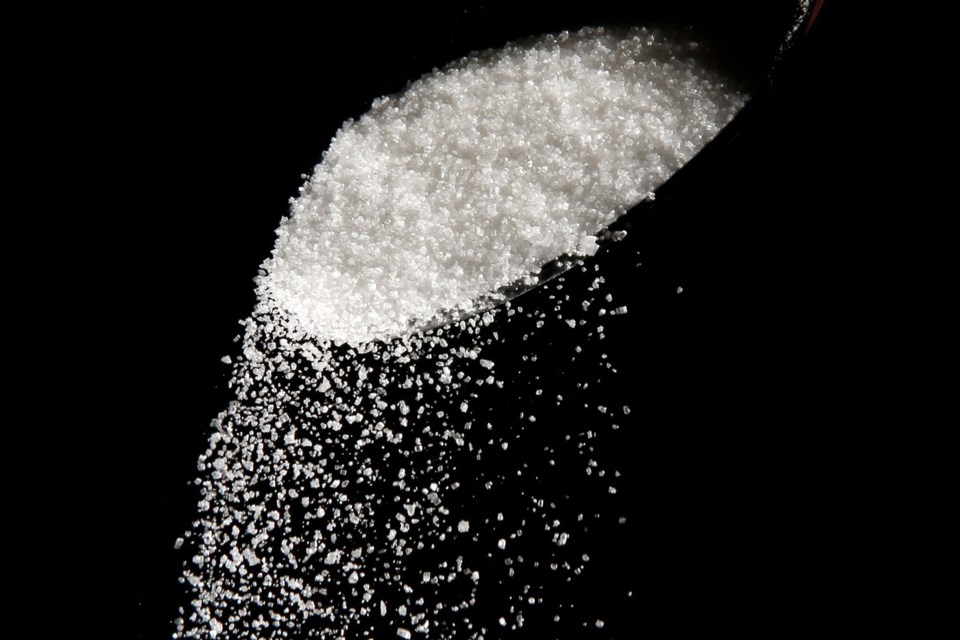
Consumers often take pride in making healthier food choices, opting for products labeled with terms like “all natural” or “high in protein.” Yet, a closer examination reveals that these seemingly healthy options can sometimes conceal significant amounts of added sugar.
Research indicates that many food items marketed as healthy still contain high levels of sugar, which can undermine the nutritional benefits they claim to offer. According to a report from the Consumer Reports organization, some granola varieties, despite their wholesome branding, can contain as much as 30 grams of sugar per serving. This raises concerns about consumer awareness regarding nutritional labels and the deceptive marketing practices of food manufacturers.
The Reality Behind Health Claims
A growing number of health experts are warning consumers about the misleading nature of food packaging. Terms like “organic,” “natural,” and “fortified” can lead shoppers to believe they are making the best choices for their health when, in fact, they may be consuming products laden with sugar. Nutritionist Dr. Jane Smith emphasizes the importance of scrutinizing ingredient lists rather than relying solely on marketing claims. “Consumers need to be vigilant,” she states. “Just because a product sounds healthy doesn’t mean it is.”
The issue stems from the fact that added sugars are often included in many processed foods, even those that are marketed as healthy options. While sugar can enhance flavor, it may also contribute to various health issues, including obesity and heart disease. The World Health Organization recommends that added sugars should not exceed 10% of total daily energy intake, but many products on the market exceed this guideline.
Consumer Awareness and Action
To combat this growing concern, consumers are encouraged to educate themselves on reading nutrition labels effectively. Understanding the difference between natural sugars found in fruits and added sugars in processed foods is crucial. The U.S. Food and Drug Administration (FDA) requires food manufacturers to list added sugars separately on nutrition labels, making it easier for consumers to make informed choices.
Moreover, advocacy groups are pushing for clearer labeling regulations that would help consumers identify high-sugar products more easily. This includes calls for front-of-package labeling that highlights sugar content, similar to the traffic light system used in some countries.
As awareness grows, some manufacturers are beginning to respond to consumer demand for transparency. Brands are reformulating products to reduce sugar content and promote healthier ingredients. However, much work remains to be done to ensure that consumers are not misled by marketing tactics that prioritize profit over health.
In conclusion, while it is commendable for consumers to seek healthier food options, it is equally important to remain vigilant about hidden sugars. By understanding nutrition labels and advocating for clearer regulations, individuals can make more informed choices that align with their health goals.

Meta Plans Major Layoffs as AI Costs Surge

Alberta’s Referendum Could Pave Way for U.S. Statehood

Minooka District 201 Plans Enhanced Bilingual Support for Students

Canmore Approves Multiple Development Permits for New Projects

Remembering Bradly Castillo Shearsmith: A Life of Friendship and Joy

BIS Urges Watchdogs to Integrate Synthetic Risk Transfers in Stress Tests

Teva Transforms: Shifting Focus from Generics to Branded Success

Apple Launches AirPods Max 2 with Enhanced Audio Features

Ontario Ends Funding for Seven Supervised Injection Sites

Toyoake City Proposes Daily Two-Hour Smartphone Use Limit

Pedestrian Fatally Injured in Esquimalt Collision on August 14

B.C. Review Reveals Urgent Need for Rare-Disease Drug Reforms

Dark Adventure Game “Bye Sweet Carole” Set for October Release

Konami Revives Iconic Metal Gear Solid Delta Ahead of Release

Victoria’s Pop-Up Shop Shines Light on B.C.’s Wolf Cull

Jimmy Lai’s Defense Challenges Charges Under National Security Law

Snapmaker U1 Color 3D Printer Redefines Speed and Sustainability

Apple Expands Self-Service Repair Program to Canada
-
 Science1 year ago
Toyoake City Proposes Daily Two-Hour Smartphone Use Limit
-
 Top Stories1 year ago
Pedestrian Fatally Injured in Esquimalt Collision on August 14
-
 Health1 year ago
B.C. Review Reveals Urgent Need for Rare-Disease Drug Reforms
-
 Technology1 year ago
Dark Adventure Game “Bye Sweet Carole” Set for October Release
-
 Technology1 year ago
Konami Revives Iconic Metal Gear Solid Delta Ahead of Release
-
 Lifestyle1 year ago
Victoria’s Pop-Up Shop Shines Light on B.C.’s Wolf Cull
-
 World1 year ago
Jimmy Lai’s Defense Challenges Charges Under National Security Law
-
 Technology1 year ago
Snapmaker U1 Color 3D Printer Redefines Speed and Sustainability
-
 Technology1 year ago
Apple Expands Self-Service Repair Program to Canada
-

 Technology1 year ago
AION Folding Knife: Redefining EDC Design with Premium Materials
-

 Technology1 year ago
Solve Today’s Wordle Challenge: Hints and Answer for August 19
-

 Business1 year ago
Gordon Murray Automotive Unveils S1 LM and Le Mans GTR at Monterey