
Health
Mark Carney Elevates Resilience as Core Concept for Canada’s Future

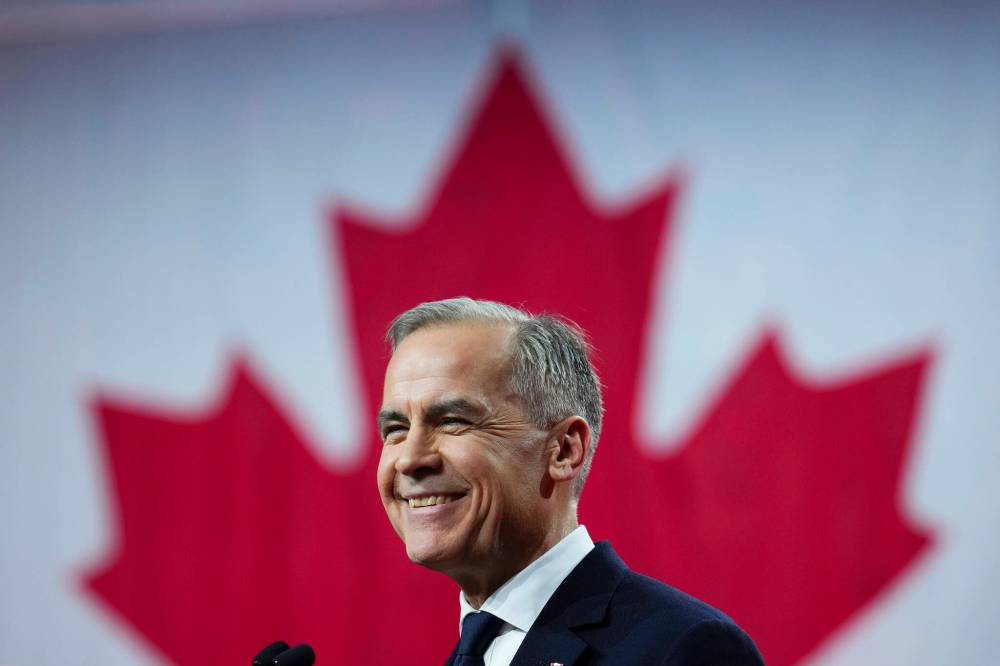
Prime Minister Mark Carney has made “resilience” a central theme in his vision for Canada’s future. The frequent use of this term in his government’s first budget signals a strategic shift towards a more robust economic framework. Carney emphasizes resilience not only as a long-term goal but also as a fundamental need for the nation amid ongoing global challenges.
The word “resilience” appears numerous times in the budget document, including a dedicated chapter titled “Shifting from Reliance to Resilience,” which outlines plans to invest over $16 billion in initiatives aimed at enhancing the nation’s economic strength. This marks a stark contrast to the previous budget under Justin Trudeau, where the term was mentioned only nine times, primarily in a defensive context regarding economic stability.
Understanding Resilience in Carney’s Context
The concept of resilience, derived from the Latin term “resilio,” which means “to bounce back,” has evolved significantly. In contemporary discussions, it often refers to the ability of individuals and systems to recover from difficulties. Carney’s approach integrates this idea with a focus on national priorities. As he stated, “A core mission of the new government is to help households and businesses emerge stronger from global economic shifts by investing in the economy to catalyze growth and build resilience in the long run.”
Carney’s emphasis on resilience allows for a flexible interpretation, appealing to both policymakers and the public. It is generally perceived as a positive attribute, fostering an environment where enhancing resilience seems universally beneficial. This broad applicability, however, raises questions about the specific implications of resilience for Canada’s future.
For instance, the government has introduced criteria for assessing major projects, prioritizing those that “strengthen Canada’s autonomy, resilience, and security.” Additionally, support for sectors impacted by U.S. tariffs is framed as a way to create a “stronger, more self-sufficient, and resilient” economy. This indicates a strategic pivot from dependency on singular trade partners towards a more diversified economic landscape.
The Challenge of Defining Resilience
Despite the positive resonance of resilience, its ambiguity invites scrutiny. What does a “resilient Canada” actually entail? Will it merely mean recovering from the current economic disruptions, or does it signify a transformation that prepares the nation for future challenges? The budget offers limited clarity, defining resilience primarily through the lens of a “strong social safety net and stable institutions.”
A more tangible definition emerges with the introduction of “domestic resilience,” which focuses on securing critical sectors and supply chains. This specificity may provide a clearer direction, but it still leaves much to be desired in terms of comprehensive policy.
As Canada navigates the ongoing impacts of the COVID-19 pandemic, the importance of a well-defined resilience strategy cannot be overstated. The pandemic highlighted the vulnerabilities within public institutions, prompting a need for reform rather than a mere return to previous practices. Failure to seize this moment could result in missed opportunities for meaningful change.
Carney’s administration must articulate a vision that transcends temporary relief and aims for long-term stability and growth. Resilience should not only help Canada endure current challenges but should also foster an environment that encourages innovation and adaptation.
In conclusion, while Prime Minister Carney’s focus on resilience is commendable, it requires a more precise framework to ensure that it translates into effective policy and tangible outcomes for Canadians. The nation stands at a crossroads, with the potential to redefine its economic model in a way that genuinely enhances its resilience and prepares it for the future. As David McLaughlin, a former clerk of the executive council in Manitoba, suggests, Canada must learn from recent disruptions and embrace a proactive approach to resilience.

Meta Plans Major Layoffs as AI Costs Surge

Alberta’s Referendum Could Pave Way for U.S. Statehood

Minooka District 201 Plans Enhanced Bilingual Support for Students

Canmore Approves Multiple Development Permits for New Projects

Remembering Bradly Castillo Shearsmith: A Life of Friendship and Joy

BIS Urges Watchdogs to Integrate Synthetic Risk Transfers in Stress Tests

Teva Transforms: Shifting Focus from Generics to Branded Success

Apple Launches AirPods Max 2 with Enhanced Audio Features

Ontario Ends Funding for Seven Supervised Injection Sites

Toyoake City Proposes Daily Two-Hour Smartphone Use Limit

Pedestrian Fatally Injured in Esquimalt Collision on August 14

B.C. Review Reveals Urgent Need for Rare-Disease Drug Reforms

Dark Adventure Game “Bye Sweet Carole” Set for October Release

Konami Revives Iconic Metal Gear Solid Delta Ahead of Release

Victoria’s Pop-Up Shop Shines Light on B.C.’s Wolf Cull

Jimmy Lai’s Defense Challenges Charges Under National Security Law

Snapmaker U1 Color 3D Printer Redefines Speed and Sustainability

Apple Expands Self-Service Repair Program to Canada
-
 Science11 months ago
Toyoake City Proposes Daily Two-Hour Smartphone Use Limit
-
 Top Stories11 months ago
Pedestrian Fatally Injured in Esquimalt Collision on August 14
-
 Health11 months ago
B.C. Review Reveals Urgent Need for Rare-Disease Drug Reforms
-
 Technology11 months ago
Dark Adventure Game “Bye Sweet Carole” Set for October Release
-
 Technology11 months ago
Konami Revives Iconic Metal Gear Solid Delta Ahead of Release
-
 Lifestyle11 months ago
Victoria’s Pop-Up Shop Shines Light on B.C.’s Wolf Cull
-
 World11 months ago
Jimmy Lai’s Defense Challenges Charges Under National Security Law
-
 Technology11 months ago
Snapmaker U1 Color 3D Printer Redefines Speed and Sustainability
-
 Technology11 months ago
Apple Expands Self-Service Repair Program to Canada
-

 Technology11 months ago
AION Folding Knife: Redefining EDC Design with Premium Materials
-

 Technology11 months ago
Solve Today’s Wordle Challenge: Hints and Answer for August 19
-

 Business11 months ago
Gordon Murray Automotive Unveils S1 LM and Le Mans GTR at Monterey