
Health
New Brunswick Hospitals to Assume Long-Term Care Assessments

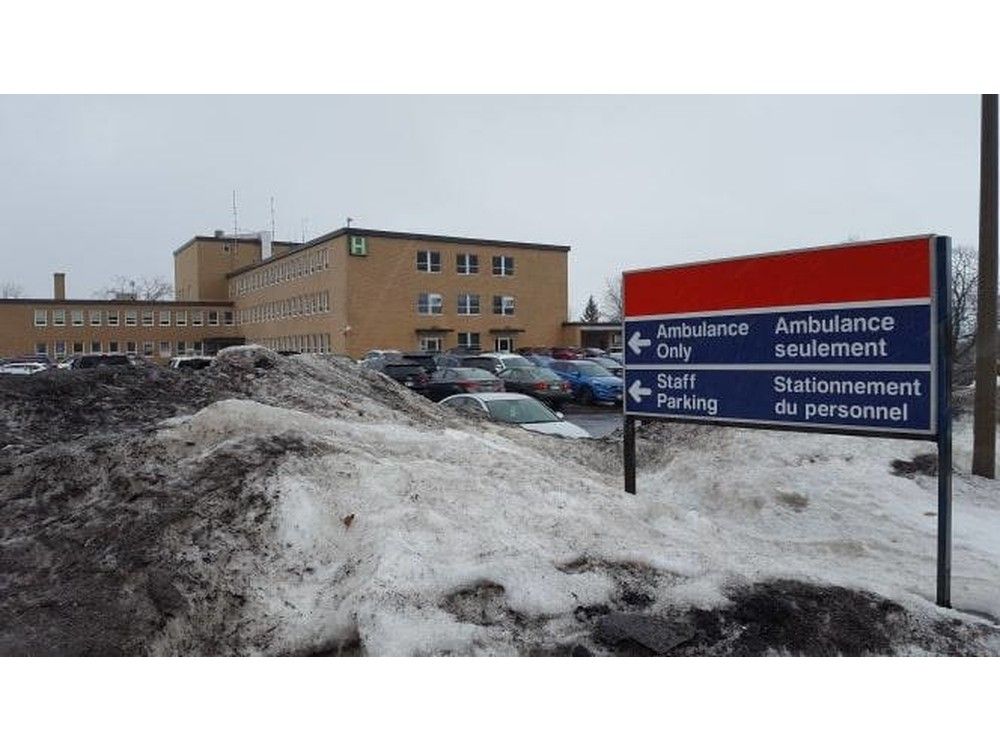
The New Brunswick government has announced that the Horizon and Vitalité health networks will assume responsibility for long-term care assessments from the provincial government. This decision follows a recent pilot project that, despite initial positive results, did not significantly reduce wait times for assessments or patient stays.
In January 2025, Horizon Health Network reported a 57 percent improvement in the percentage of patients awaiting long-term care assessments at the Fredericton and Oromocto hospitals. The pilot aimed to streamline the placement process for senior patients waiting for a bed in nursing or special-care homes. Traditionally, these assessments were conducted by staff from the Department of Social Development, often causing delays in freeing up acute care hospital beds. The average length of stay for patients decreased by 11 days during the initial months of the project, indicating some progress.
Yet, the provincial government has stated that the pilot did not achieve its goal of significantly reducing wait times. As such, health authorities will now take over assessments at additional hospitals, including the Saint John Regional Hospital, The Moncton Hospital, and the Dr. Georges-L.-Dumont University Hospital Centre.
Government spokesperson Ariel Mackenzie emphasized that while the pilot project did not meet all its goals, it provided valuable insights into assessment processes, patient flow, and service coordination. “The initiative highlighted the need for stronger collaboration among partners and improved alignment between hospital and community-based supports,” Mackenzie stated.
The decision to transition assessment responsibilities comes at a time when over 200 patients at Horizon are awaiting long-term care assessments but are not on the province’s nursing home waitlist. Margaret Melanson, president and CEO of Horizon Health Network, noted that more than 80 patients at the Saint John Regional Hospital are in this situation. She expressed optimism about conducting assessments internally, stating, “For us to be able to undertake those assessments ourselves as opposed to waiting for Social Development to come in is a step in the right direction.”
Despite these steps, Melanson clarified that this change will not immediately increase bed availability. “Is it creating more beds? No,” she said. “However, it is allowing us to understand what the needs are of these patients faster.”
As of late January, nearly 1,000 individuals were on New Brunswick’s nursing home waitlist, according to data shared by the Coalition for Seniors and Nursing Home Residents’ Rights. Seniors’ advocate Cecile Cassista is calling for external organizations like Extra-Mural to manage hospital-based long-term care assessments. She believes that both the Department of Social Development and regional health authorities may have biases that affect their assessments.
According to Horizon, approximately 40 percent of its acute beds are occupied by patients classified as “alternate level of care” (ALC), totaling more than 660 individuals. A new long-term care strategy is expected to be released this month, amid ongoing calls for the construction of more nursing homes in the province.
Melanson is hopeful that the upcoming strategy will facilitate the creation of more nursing home beds, but she cautioned that it can take up to two years for a new facility to become operational. She recently advocated for better utilization of special-care homes and other options to alleviate pressure on hospitals. “If government would agree to fund more hours of care for patients to return to their own homes, that could be undertaken very quickly,” she remarked.
In December, the provincial government announced a commitment of $10 million to enhance home care support for seniors and individuals with disabilities. Mackenzie also noted that New Brunswick hospitals have the authority to implement interim home support hours when necessary to facilitate timely discharges, allowing long-term care assessments to occur at home.
The government plans to work closely with regional health authorities and community partners to ensure that seniors receive appropriate care in a timely manner as placements become available.

Meta Plans Major Layoffs as AI Costs Surge

Alberta’s Referendum Could Pave Way for U.S. Statehood

Minooka District 201 Plans Enhanced Bilingual Support for Students

Canmore Approves Multiple Development Permits for New Projects

Remembering Bradly Castillo Shearsmith: A Life of Friendship and Joy

BIS Urges Watchdogs to Integrate Synthetic Risk Transfers in Stress Tests

Teva Transforms: Shifting Focus from Generics to Branded Success

Apple Launches AirPods Max 2 with Enhanced Audio Features

Ontario Ends Funding for Seven Supervised Injection Sites

Toyoake City Proposes Daily Two-Hour Smartphone Use Limit

Pedestrian Fatally Injured in Esquimalt Collision on August 14

B.C. Review Reveals Urgent Need for Rare-Disease Drug Reforms

Dark Adventure Game “Bye Sweet Carole” Set for October Release

Konami Revives Iconic Metal Gear Solid Delta Ahead of Release

Victoria’s Pop-Up Shop Shines Light on B.C.’s Wolf Cull

Jimmy Lai’s Defense Challenges Charges Under National Security Law

Snapmaker U1 Color 3D Printer Redefines Speed and Sustainability

Apple Expands Self-Service Repair Program to Canada
-
 Science12 months ago
Toyoake City Proposes Daily Two-Hour Smartphone Use Limit
-
 Top Stories12 months ago
Pedestrian Fatally Injured in Esquimalt Collision on August 14
-
 Health12 months ago
B.C. Review Reveals Urgent Need for Rare-Disease Drug Reforms
-
 Technology12 months ago
Dark Adventure Game “Bye Sweet Carole” Set for October Release
-
 Technology12 months ago
Konami Revives Iconic Metal Gear Solid Delta Ahead of Release
-
 Lifestyle12 months ago
Victoria’s Pop-Up Shop Shines Light on B.C.’s Wolf Cull
-
 World12 months ago
Jimmy Lai’s Defense Challenges Charges Under National Security Law
-
 Technology12 months ago
Snapmaker U1 Color 3D Printer Redefines Speed and Sustainability
-
 Technology12 months ago
Apple Expands Self-Service Repair Program to Canada
-

 Technology12 months ago
AION Folding Knife: Redefining EDC Design with Premium Materials
-

 Technology12 months ago
Solve Today’s Wordle Challenge: Hints and Answer for August 19
-

 Business12 months ago
Gordon Murray Automotive Unveils S1 LM and Le Mans GTR at Monterey