
Health
Saskatchewan Faces Mammogram Tech Shortage as Demand Surges

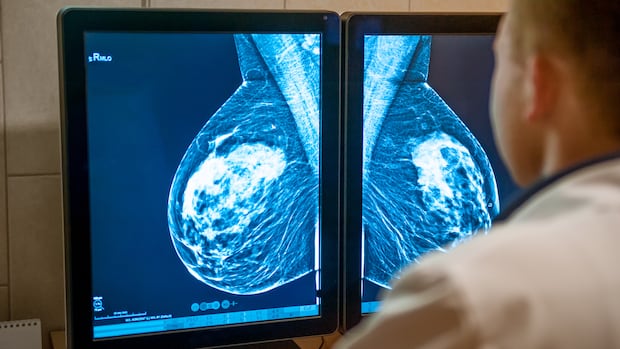
Saskatchewan is grappling with a significant shortage of medical radiation technologists (MRTs), a situation that is impacting the availability of mammogram screenings across the province. As demand for these essential services grows, health advocates emphasize the urgent need for more MRTs to reduce wait times for women seeking mammograms.
The issue has gained increased attention as the Saskatchewan Ministry of Health implements a phased approach to lower the age qualification for mammogram bookings without needing a doctor’s referral, moving from age 50 to 40. Currently, women aged 43 and older are eligible for these screenings, with the age threshold expected to reach 40 by June 2025.
The Ministry of Health has created nine full-time MRT positions outside of Saskatoon and Regina since January 2024, including roles in Moose Jaw, Weyburn, North Battleford, Prince Albert, Lloydminster, and Yorkton. Despite this effort, four of these positions remain unfilled, prompting ongoing recruitment initiatives in regions such as Moose Jaw and Weyburn.
Incentives and Recruitment Challenges
Saskatchewan’s government has introduced incentive packages, such as the Rural and Remote Recruitment Incentive, which offers up to $50,000 for eligible candidates. Health Minister Jeremy Cockrill highlighted the importance of these incentives in a recent interview with CBC, stating, “The more patients that we can keep in regional centres without needing to come to Regina or Saskatoon… having care as close to home as possible is so important for people.”
Despite these initiatives, there are still seven vacant part-time MRT positions in Regina, Saskatoon, and the mobile mammogram unit, indicating that recruitment challenges persist.
The high tuition fees for MRT training at Sask. Polytechnic, which amount to $33,660 for the entire program, are contributing to the problem. Comparatively, similar programs in Manitoba are significantly less expensive, with tuition costs being less than half of Saskatchewan’s. This financial burden, coupled with the relatively lower starting salaries for MRTs in Saskatchewan, drives many graduates to seek employment in other provinces.
Dr. Dennis Kendel, a retired physician and health policy consultant, pointed out that the costs associated with MRT training may deter potential candidates. He noted, “It depends on how well we’re compensating our MRTs,” highlighting the broader implications of compensation on recruitment and retention.
Union Concerns and Recommendations
The Canadian Union of Public Employees (CUPE), represented by President Bashir Jalloh, has expressed dissatisfaction with the pace of progress in filling MRT roles. Jalloh criticized the reliance on contracting out work rather than hiring full-time staff. He stated, “It is terrible… instead of them trying to do something to recruit for those positions, they are opting to try to contract it out to contract workers.”
Jalloh also suggested that the government should explore options to increase MRT training capacity at Sask. Polytechnic and implement programs to support students financially. For instance, he proposed a Return to Service agreement, which would provide tuition support in exchange for a commitment to work in underserved areas post-graduation.
The Ministry of Health continues to address these challenges as it works to improve breast health services. In recent months, the waitlist for breast biopsies in Regina has decreased significantly, dropping from over 300 patients in 2025 to just 51 patients as of January 2, 2026. Cockrill noted that staffing improvements have contributed to shorter wait times, emphasizing the importance of timely access to healthcare services.
While the province has made strides in reducing the number of women traveling to Calgary for biopsies, where the number of patients receiving procedures dropped from 351 in 2024-25 to 176 in the first three quarters of 2025-26, challenges remain.
Experts stress that ensuring sufficient MRT staffing levels is crucial for maintaining accessible and timely breast health services. As Saskatchewan moves forward, the focus remains on addressing these staffing shortages and enhancing the overall quality of care for women throughout the province.

Meta Plans Major Layoffs as AI Costs Surge

Alberta’s Referendum Could Pave Way for U.S. Statehood

Minooka District 201 Plans Enhanced Bilingual Support for Students

Canmore Approves Multiple Development Permits for New Projects

Remembering Bradly Castillo Shearsmith: A Life of Friendship and Joy

BIS Urges Watchdogs to Integrate Synthetic Risk Transfers in Stress Tests

Teva Transforms: Shifting Focus from Generics to Branded Success

Apple Launches AirPods Max 2 with Enhanced Audio Features

Ontario Ends Funding for Seven Supervised Injection Sites

Toyoake City Proposes Daily Two-Hour Smartphone Use Limit

Pedestrian Fatally Injured in Esquimalt Collision on August 14

B.C. Review Reveals Urgent Need for Rare-Disease Drug Reforms

Dark Adventure Game “Bye Sweet Carole” Set for October Release

Konami Revives Iconic Metal Gear Solid Delta Ahead of Release

Victoria’s Pop-Up Shop Shines Light on B.C.’s Wolf Cull

Jimmy Lai’s Defense Challenges Charges Under National Security Law

Snapmaker U1 Color 3D Printer Redefines Speed and Sustainability

Apple Expands Self-Service Repair Program to Canada
-
 Science11 months ago
Toyoake City Proposes Daily Two-Hour Smartphone Use Limit
-
 Top Stories11 months ago
Pedestrian Fatally Injured in Esquimalt Collision on August 14
-
 Health11 months ago
B.C. Review Reveals Urgent Need for Rare-Disease Drug Reforms
-
 Technology11 months ago
Dark Adventure Game “Bye Sweet Carole” Set for October Release
-
 Technology11 months ago
Konami Revives Iconic Metal Gear Solid Delta Ahead of Release
-
 Lifestyle11 months ago
Victoria’s Pop-Up Shop Shines Light on B.C.’s Wolf Cull
-
 World11 months ago
Jimmy Lai’s Defense Challenges Charges Under National Security Law
-
 Technology11 months ago
Snapmaker U1 Color 3D Printer Redefines Speed and Sustainability
-
 Technology11 months ago
Apple Expands Self-Service Repair Program to Canada
-

 Technology11 months ago
AION Folding Knife: Redefining EDC Design with Premium Materials
-

 Technology11 months ago
Solve Today’s Wordle Challenge: Hints and Answer for August 19
-

 Business11 months ago
Gordon Murray Automotive Unveils S1 LM and Le Mans GTR at Monterey