
Health
Saskatchewan Lowers Mammogram Age to 43, Advocates Call for Action

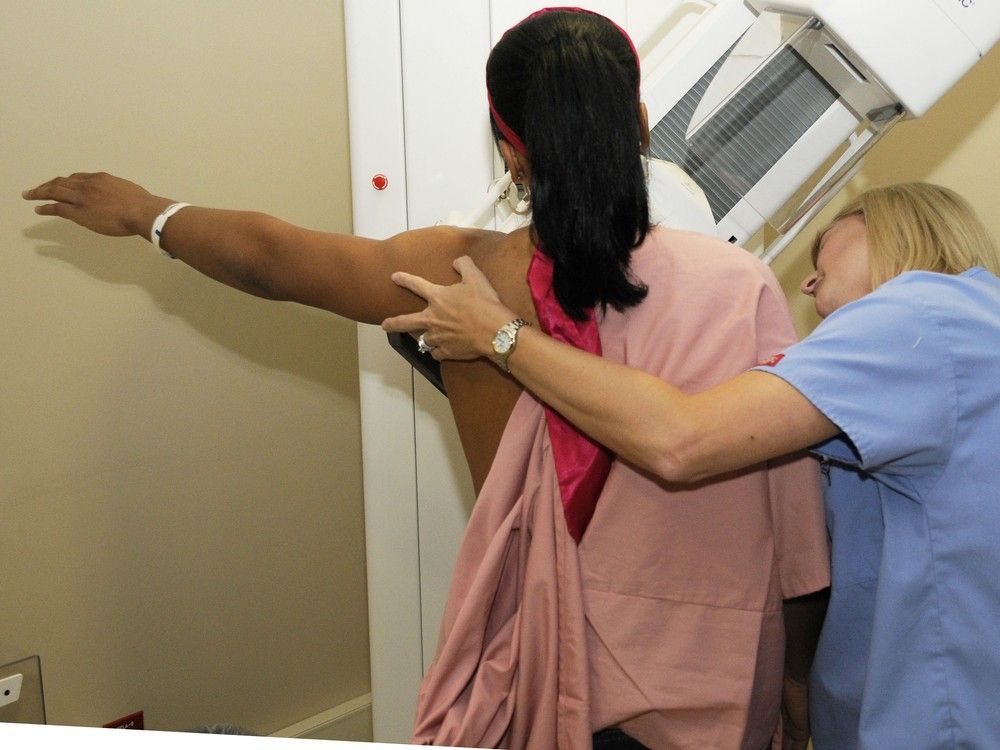
Changes to breast cancer screening protocols in Saskatchewan have sparked a mix of optimism and concern among health advocates. As of January 1, 2025, women aged 43 and older can now self-refer for routine screening mammograms. This shift follows a phased reduction in the eligibility age, with plans to lower it further to 40 by July 1, 2025.
Kerrie Gavin, a survivor diagnosed with triple-negative breast cancer shortly before her 50th birthday, welcomed the news. She emphasized the importance of early detection, recalling her own experience of advocating for a diagnostic mammogram after experiencing symptoms such as chronic fatigue and shoulder pain. Gavin found a lump through self-examination, highlighting the need for women to be vigilant about their health.
While the change brings hope, Gavin also pointed out a potential challenge: increased screening could lead to longer wait times for diagnoses. “I’m happy for it, but the reality is that there are waiting lists now,” she stated. Gavin’s experience underscores the necessity for timely access to screening and diagnostic services.
Implementation and Infrastructure Challenges
The Saskatchewan Health Authority (SHA) has established eight screening centers across the province, along with a new mobile mammography unit aimed at serving rural populations. This initiative is part of a broader effort to enhance breast cancer detection. According to a news release from the SHA and the Saskatchewan Cancer Agency, routine screening mammograms are designed for women without breast symptoms, while those showing symptoms should seek a referral for more comprehensive diagnostic procedures.
Breast cancer is a significant health concern, with the Canadian Cancer Society estimating that one in eight women will develop the disease during their lifetime. Screening mammograms utilize low-dose X-rays, which carry minimal radiation risk. The Saskatchewan Cancer Agency assures that the benefits of early detection greatly outweigh these risks.
Advocates Urge for Continued Support
Despite the positive steps forward, advocates stress the need for ongoing improvements in the healthcare system to meet the anticipated demand. Jennie Dale, co-founder of Dense Breasts Canada, expressed her support for the policy change, asserting that lives will be saved as screening begins at a younger age. However, she highlighted the current shortage of ultrasound and medical radiation technologists as a pressing issue.
“Meeting diagnostic demand is a problem across the country because there is a shortage of ultrasound technologists,” Dale noted, urging the province to enhance training programs for these essential roles. The SHA has acknowledged this challenge and is collaborating with the Ministry of Health to recruit specialists through the Health Human Resources Action Plan, which received an investment of $156.1 million in the 2025-26 budget.
Another survivor, Renae Morrison, diagnosed at 39, emphasized the critical nature of timely treatment following early detection. Morrison, who is now part of Breast Cancer Peer Support in Saskatoon, noted that while the age for screening has decreased, the system must also ramp up resources to accommodate the increased volume of screenings.
She encourages women to remain proactive in their health care, stating, “You have to advocate so hard for yourself because the system is so incredibly overloaded.” The challenges of long wait times for follow-up mammograms remain a significant concern among survivors and advocates alike.
As Saskatchewan implements these new guidelines, the call for increased awareness and resources continues. Dale advocates for better communication regarding breast density, an important factor in cancer detection. Currently, women classified with C and D density levels may not receive adequate notifications about their breast density status, which can impact their screening options.
The changes in Saskatchewan’s breast cancer screening protocols represent a significant step forward. However, the ongoing efforts to enhance the healthcare infrastructure are vital to ensure that these new policies translate into effective and timely care for all women.

Meta Plans Major Layoffs as AI Costs Surge

Alberta’s Referendum Could Pave Way for U.S. Statehood

Minooka District 201 Plans Enhanced Bilingual Support for Students

Canmore Approves Multiple Development Permits for New Projects

Remembering Bradly Castillo Shearsmith: A Life of Friendship and Joy

BIS Urges Watchdogs to Integrate Synthetic Risk Transfers in Stress Tests

Teva Transforms: Shifting Focus from Generics to Branded Success

Apple Launches AirPods Max 2 with Enhanced Audio Features

Ontario Ends Funding for Seven Supervised Injection Sites

Toyoake City Proposes Daily Two-Hour Smartphone Use Limit

Pedestrian Fatally Injured in Esquimalt Collision on August 14

B.C. Review Reveals Urgent Need for Rare-Disease Drug Reforms

Dark Adventure Game “Bye Sweet Carole” Set for October Release

Konami Revives Iconic Metal Gear Solid Delta Ahead of Release

Victoria’s Pop-Up Shop Shines Light on B.C.’s Wolf Cull

Jimmy Lai’s Defense Challenges Charges Under National Security Law

Snapmaker U1 Color 3D Printer Redefines Speed and Sustainability

Apple Expands Self-Service Repair Program to Canada
-
 Science1 year ago
Toyoake City Proposes Daily Two-Hour Smartphone Use Limit
-
 Top Stories1 year ago
Pedestrian Fatally Injured in Esquimalt Collision on August 14
-
 Health1 year ago
B.C. Review Reveals Urgent Need for Rare-Disease Drug Reforms
-
 Technology1 year ago
Dark Adventure Game “Bye Sweet Carole” Set for October Release
-
 Technology1 year ago
Konami Revives Iconic Metal Gear Solid Delta Ahead of Release
-
 Lifestyle1 year ago
Victoria’s Pop-Up Shop Shines Light on B.C.’s Wolf Cull
-
 World1 year ago
Jimmy Lai’s Defense Challenges Charges Under National Security Law
-
 Technology1 year ago
Snapmaker U1 Color 3D Printer Redefines Speed and Sustainability
-
 Technology1 year ago
Apple Expands Self-Service Repair Program to Canada
-

 Technology1 year ago
AION Folding Knife: Redefining EDC Design with Premium Materials
-

 Technology1 year ago
Solve Today’s Wordle Challenge: Hints and Answer for August 19
-

 Business1 year ago
Gordon Murray Automotive Unveils S1 LM and Le Mans GTR at Monterey