
Health
Winnipeg Approves New Emergency Service for Mental Health Crises

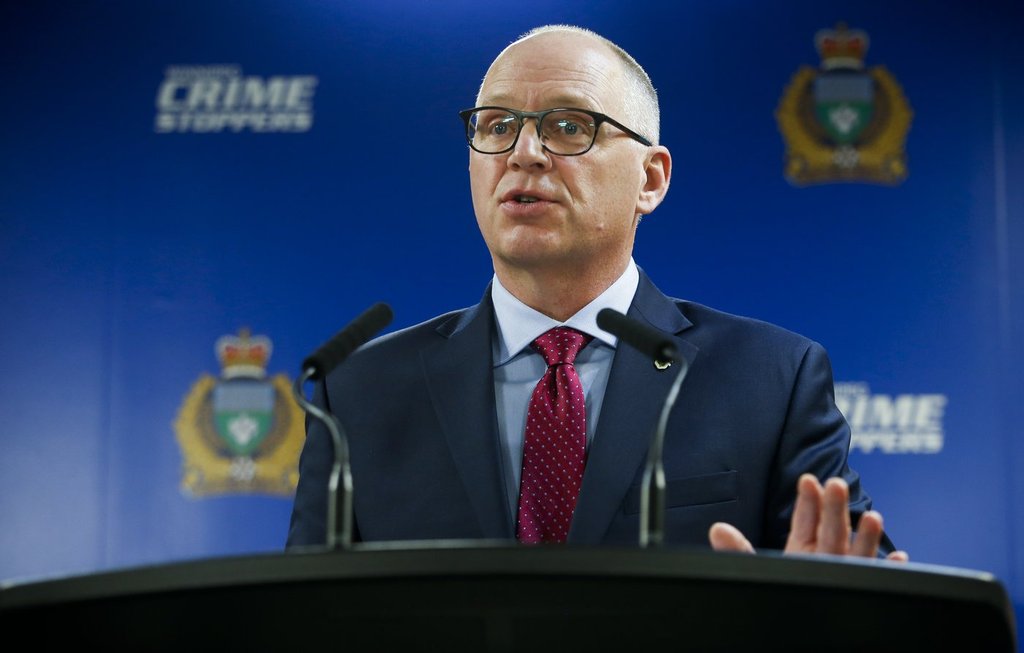
WINNIPEG – The city of Winnipeg has taken a significant step toward addressing mental health crises by approving the exploration of a new emergency service dedicated to these urgent situations. On December 9, 2025, the city’s executive policy committee voted in favor of a motion proposed by Mayor Scott Gillingham to partner with a consulting firm in developing the Winnipeg Community Response Service. This initiative aims to provide a specialized response for wellness calls while allowing police to concentrate on more severe crimes.
Funding for this proposal amounts to $228,000, sourced from the mayor’s office. Gillingham emphasized the need for trained, trauma-informed responders to address mental health issues effectively. “If someone calls 911 because there’s a mental health crisis, they don’t need a badge-and-gun response. What they need is a mental health worker who understands their needs,” he stated.
Mental health-related calls have consistently represented the highest number of requests for service to the Winnipeg police. In the previous year, police dispatchers received over 21,000 calls concerning mental health issues. Currently, Winnipeg has several existing services, including a mobile crisis unit and a collaborative effort between police officers and mental health clinicians to manage lower-risk incidents.
The necessity for change was underscored during the committee meeting when support worker Kaitlin Holokrys shared her poignant experiences. Holokrys, who assists adults facing addictions and mental health challenges, recounted a tragic incident involving a client struggling with chronic suicidal thoughts. After calling 911 for assistance, she was informed that police needed to be present due to potential threats. Tragically, her client later died by suicide. “She did everything she was supposed to, but no one was able to help her,” Holokrys remarked, advocating for community-led services.
The discussion around wellness checks is particularly crucial given recent incidents involving fatal police responses. In 2019, Machuar Madut was shot and killed by police during a wellness check, while Afolabi Stephen Opaso faced a similar fate in 2023. Holokrys and others argue that when police are the default responders, it can lead to adverse outcomes for individuals in crisis. “When police are the default for crisis response, it often leads to negative outcomes for people in crisis,” she stated.
Strong support for the proposed service came from Kate Kehler, the executive director of the Social Planning Council of Winnipeg. She expressed urgency in implementing the new service, stating, “There is no reason to expect that we will not lose someone else in the interim in what should have been a preventable death.”
Conversely, a union representing firefighters has voiced opposition to adding another emergency service. They argue that existing emergency services are already under significant strain and that the city should prioritize enhancing current operations. “Prioritize stabilizing the service you already have,” said Nick Kasper, president of the United Fire Fighters of Winnipeg, IAFF Local 867.
Kasper noted that even if a new emergency service were established, it would not alleviate the demand on fire and paramedic teams, as they are still required for higher-level medical needs. Mayor Gillingham countered this perspective, asserting that merely adding more responders to the existing system without reform would fail to address the high call volumes effectively.
The initiative in Winnipeg aligns with actions taken in other Canadian cities, such as Toronto, which have successfully implemented services that deploy mental health professionals and paramedics to situations where safety is not a concern. This shift recognizes the urgent need for specialized mental health support in crisis situations, aiming to improve outcomes for vulnerable individuals.
As the city moves forward with this proposal, the focus remains on ensuring that the response to mental health crises is compassionate, informed, and sufficiently resourced. The need for such services is clearer than ever, as communities seek to find better solutions for mental health emergencies.

Meta Plans Major Layoffs as AI Costs Surge

Alberta’s Referendum Could Pave Way for U.S. Statehood

Minooka District 201 Plans Enhanced Bilingual Support for Students

Canmore Approves Multiple Development Permits for New Projects

Remembering Bradly Castillo Shearsmith: A Life of Friendship and Joy

BIS Urges Watchdogs to Integrate Synthetic Risk Transfers in Stress Tests

Teva Transforms: Shifting Focus from Generics to Branded Success

Apple Launches AirPods Max 2 with Enhanced Audio Features

Ontario Ends Funding for Seven Supervised Injection Sites

Toyoake City Proposes Daily Two-Hour Smartphone Use Limit

Pedestrian Fatally Injured in Esquimalt Collision on August 14

B.C. Review Reveals Urgent Need for Rare-Disease Drug Reforms

Dark Adventure Game “Bye Sweet Carole” Set for October Release

Konami Revives Iconic Metal Gear Solid Delta Ahead of Release

Victoria’s Pop-Up Shop Shines Light on B.C.’s Wolf Cull

Jimmy Lai’s Defense Challenges Charges Under National Security Law

Snapmaker U1 Color 3D Printer Redefines Speed and Sustainability

Apple Expands Self-Service Repair Program to Canada
-
 Science11 months ago
Toyoake City Proposes Daily Two-Hour Smartphone Use Limit
-
 Top Stories11 months ago
Pedestrian Fatally Injured in Esquimalt Collision on August 14
-
 Health11 months ago
B.C. Review Reveals Urgent Need for Rare-Disease Drug Reforms
-
 Technology11 months ago
Dark Adventure Game “Bye Sweet Carole” Set for October Release
-
 Technology11 months ago
Konami Revives Iconic Metal Gear Solid Delta Ahead of Release
-
 Lifestyle11 months ago
Victoria’s Pop-Up Shop Shines Light on B.C.’s Wolf Cull
-
 World11 months ago
Jimmy Lai’s Defense Challenges Charges Under National Security Law
-
 Technology11 months ago
Snapmaker U1 Color 3D Printer Redefines Speed and Sustainability
-
 Technology11 months ago
Apple Expands Self-Service Repair Program to Canada
-

 Technology11 months ago
AION Folding Knife: Redefining EDC Design with Premium Materials
-

 Technology11 months ago
Solve Today’s Wordle Challenge: Hints and Answer for August 19
-

 Business11 months ago
Gordon Murray Automotive Unveils S1 LM and Le Mans GTR at Monterey