
Lifestyle
Vancouver City Council’s Delays Raise Concerns Over Bus Priority Projects

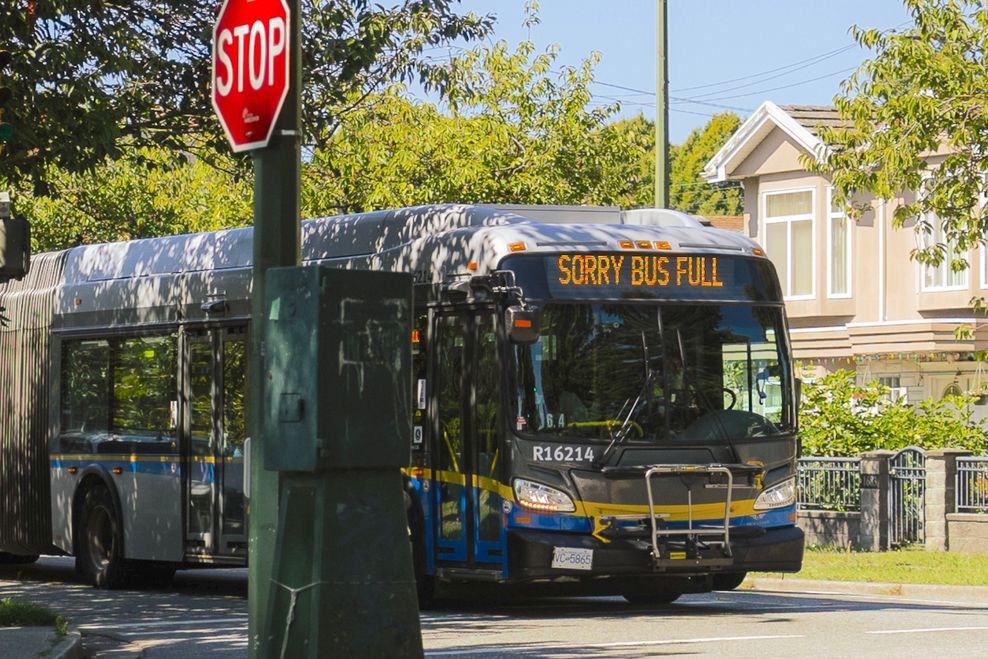
Vancouver City Council’s efforts to enhance bus transit efficiency have faced significant delays, raising questions about the city’s commitment to improving public transportation. Despite unanimous votes in both 2023 and 2024 for new bus priority measures, progress has been minimal almost 1,000 days later.
In October 2023, the Council endorsed a motion by Sarah Kirby-Yung aimed at implementing bus priority measures across major corridors like Hastings Street, Kingsway, 49th Avenue, and Granville Street. The objective was to enhance travel times by at least 10 percent by 2026. This initiative received overwhelming support but has seen almost no tangible improvements in the ensuing months.
Following a lack of progress, City Council revisited the issue in July 2024, passing another motion led by then-councillor Christine Boyle. This motion aimed to add additional corridors, establish guidelines for bus priority, and set a target of completing four corridors by 2026, with a minimum of two corridors finished each year. Among the newly included routes were Broadway, King Edward, West 4th Avenue, and Southwest Marine Drive. This second motion was approved 537 days ago, yet the outcomes remain disappointing.
Currently, community engagement for the Granville Street corridor has concluded, and preliminary plans for Kingsway indicate only a modest 3 percent improvement in travel time. Unfortunately, actual bus priority measures are virtually nonexistent. The City of Vancouver has made little progress on these initiatives, taking an excessive amount of time to implement basic changes such as painting bus lanes and adding parking restrictions.
In comparison, cities like Toronto have demonstrated a more proactive approach to transit improvements. When faced with issues on a major streetcar route, Toronto implemented emergency bus lanes in just four days. Similarly, dedicated bus lanes were established on Dufferin Street in three months to facilitate travel during the FIFA World Cup. The contrast is stark; while Toronto is agile in its transit adaptations, Vancouver is mired in bureaucratic delays.
The City of Vancouver is currently planning to add only 1.7 km of bus lanes on Hastings Street for the upcoming FIFA World Cup, with no further developments anticipated until 2027. This timeline exceeds 1,200 days since the original motion was passed, leaving many to wonder what is causing these delays.
A significant barrier to progress may be the reliance on curbside parking, as businesses and politicians often prioritize maintaining parking availability over implementing effective public transit solutions. Despite the static availability of curbside parking, the city appears hesitant to make necessary adjustments that would facilitate bus lanes.
Funding does not appear to be an issue either. In response to a motion raised during a closed Mayors’ Council meeting on October 25, 2023, TransLink allocated $17 million in its 2024 Investment Plan for the Bus Speed and Reliability program. This funding aims to enhance bus priority on high-delay routes, including Hastings Street, Kingsway, 49th Avenue, and Granville Street. The city has acknowledged that most improvements will consist of “lines and signs,” yet no visible changes have been made as of January 2026.
Cities worldwide are recognizing the urgency of improving urban mobility. Locations such as Seattle, New York City, and London have executed successful transit initiatives, while nearby jurisdictions like Surrey and North Vancouver have also made commendable progress in establishing bus lanes. In contrast, South Vancouver’s bus priority projects lag significantly behind. The No. 49 UBC/Metrotown route, the busiest local bus route in the region, lacks essential bus priority features, and planned enhancements for the 49th Avenue and Marine Drive corridors have been deprioritized, with timelines extended to vague future dates.
To address these concerns, Vancouver’s municipal government must demonstrate its capacity to undertake straightforward transit projects. Implementing bus lanes is among the fundamental responsibilities of a municipality, yet 27 months after the initial Council vote, progress remains negligible.
Immediate solutions could include enforcing curbside parking restrictions during peak hours or extending existing restrictions in areas with abundant alternative parking. Such measures could swiftly enhance transit efficiency.
City leadership needs to reassess its priorities regarding street space allocation. If the goal is to alleviate congestion and improve public transport, decisive action must be taken to implement the bus lanes that have been promised on multiple occasions. The time for change in Vancouver’s transit landscape is now.

Meta Plans Major Layoffs as AI Costs Surge

Alberta’s Referendum Could Pave Way for U.S. Statehood

Minooka District 201 Plans Enhanced Bilingual Support for Students

Canmore Approves Multiple Development Permits for New Projects

Remembering Bradly Castillo Shearsmith: A Life of Friendship and Joy

BIS Urges Watchdogs to Integrate Synthetic Risk Transfers in Stress Tests

Teva Transforms: Shifting Focus from Generics to Branded Success

Apple Launches AirPods Max 2 with Enhanced Audio Features

Ontario Ends Funding for Seven Supervised Injection Sites

Toyoake City Proposes Daily Two-Hour Smartphone Use Limit

Pedestrian Fatally Injured in Esquimalt Collision on August 14

B.C. Review Reveals Urgent Need for Rare-Disease Drug Reforms

Dark Adventure Game “Bye Sweet Carole” Set for October Release

Konami Revives Iconic Metal Gear Solid Delta Ahead of Release

Victoria’s Pop-Up Shop Shines Light on B.C.’s Wolf Cull

Jimmy Lai’s Defense Challenges Charges Under National Security Law

Snapmaker U1 Color 3D Printer Redefines Speed and Sustainability

Apple Expands Self-Service Repair Program to Canada
-
 Science11 months ago
Toyoake City Proposes Daily Two-Hour Smartphone Use Limit
-
 Top Stories11 months ago
Pedestrian Fatally Injured in Esquimalt Collision on August 14
-
 Health11 months ago
B.C. Review Reveals Urgent Need for Rare-Disease Drug Reforms
-
 Technology11 months ago
Dark Adventure Game “Bye Sweet Carole” Set for October Release
-
 Technology11 months ago
Konami Revives Iconic Metal Gear Solid Delta Ahead of Release
-
 Lifestyle11 months ago
Victoria’s Pop-Up Shop Shines Light on B.C.’s Wolf Cull
-
 World11 months ago
Jimmy Lai’s Defense Challenges Charges Under National Security Law
-
 Technology11 months ago
Snapmaker U1 Color 3D Printer Redefines Speed and Sustainability
-
 Technology11 months ago
Apple Expands Self-Service Repair Program to Canada
-

 Technology11 months ago
AION Folding Knife: Redefining EDC Design with Premium Materials
-

 Technology11 months ago
Solve Today’s Wordle Challenge: Hints and Answer for August 19
-

 Business11 months ago
Gordon Murray Automotive Unveils S1 LM and Le Mans GTR at Monterey