
Science
Animals Adapt Body Temperatures for Survival in Extreme Conditions

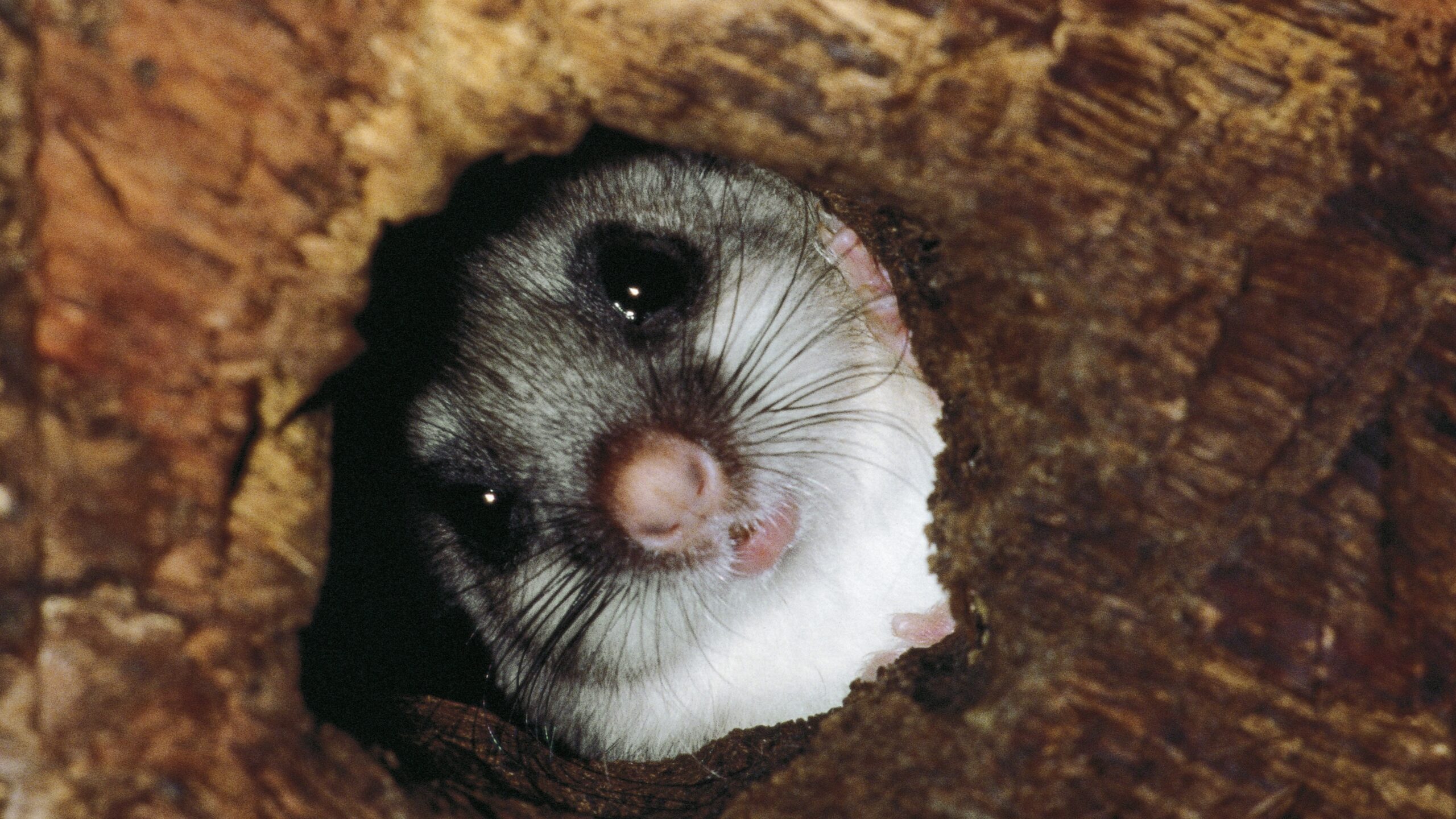
In a striking exploration of animal physiology, recent studies have revealed that many species exhibit remarkable flexibility in their body temperature regulation. Known as heterothermy, this ability allows animals to adjust their internal temperatures in response to environmental conditions, a stark contrast to homeothermic mammals, which maintain a stable body temperature.
The concept dates back to an intriguing experiment conducted by British physician-scientist Charles Blagden in 1774. Blagden willingly entered a room that reached temperatures of nearly 200°F (about 93°C), while his body temperature remarkably remained stable at 98°F (approximately 37°C). This observation laid the groundwork for understanding homeothermy, a trait seen widely among mammals and birds.
Exploring Heterothermy in Various Species
Notably, the fat-tailed dwarf lemur exemplifies heterothermy, with its body temperature fluctuating by nearly 45°F (25°C) within a single day. As researchers delve deeper, they find that numerous animals utilize this adaptive strategy to cope with environmental challenges. According to Danielle Levesque, a mammalian ecophysiologist at the University of Maine, the assumption that all mammals function like humans is being challenged by new findings. Enhanced tracking technologies have allowed scientists to study small animals in their natural habitats, revealing unexpected variations in temperature regulation.
Classic hibernation is perhaps the most recognized form of heterothermy, primarily observed in species that endure harsh winters. During hibernation, animals enter a state of deep torpor, significantly reducing their metabolic rate and body temperature. However, research suggests that many mammals can also experience shorter episodes of shallow torpor, adapting their physiological responses to immediate environmental needs. Fritz Geiser, a comparative physiologist from the University of New England, emphasizes the complexity of these adaptations, stating, “It’s much more interesting than homeothermy.”
For instance, Australian eastern long-eared bats adjust their torpor usage based on daily weather variations. In a 2021 study published in Oecologia, Mari Aas Fjelldal and colleagues observed 37 free-ranging bats, noting an increased duration of torpor on colder days and during adverse weather conditions. This strategy helps the bats conserve energy and mitigate the challenges of foraging in difficult conditions.
Heterothermy as a Survival Strategy
The ability to enter torpor also holds significant implications for reproduction. Pregnant hoary bats, for example, can pause their pregnancies during severe spring storms, effectively timing their births for when food availability is optimal. Fjelldal notes that this physiological maneuver is advantageous in a harsh environment, allowing for better survival rates for both mothers and their young.
Other species, such as sugar gliders, demonstrate a different approach. These small marsupials rarely enter torpor but can utilize it during extreme weather events. During a storm with category 1 cyclone winds, researchers found that sugar gliders significantly reduced their body temperature, enabling them to conserve energy while sheltered in their nests.
In laboratory settings, a golden spiny mouse exhibited an unusual multiday torpor in response to flooding, with its body temperature dropping to around 75°F (24°C). This flexibility in temperature regulation enables heterothermic species to endure environmental catastrophes, a noteworthy advantage over homeothermic animals that may struggle to survive when resources are scarce.
Heterothermy also plays a crucial role in energy conservation. For example, Madagascar’s leaf-nosed bats resort to short bouts of torpor during warm days, allowing their metabolism to decrease significantly. This adaptation aids in saving water—a vital resource for survival.
While heterothermy offers significant survival advantages, it does not exempt these animals from the impacts of climate change. As physiological ecologist Julia Nowack from Liverpool John Moores University points out, the ability to modulate body temperature is vital, but the challenges posed by rapidly changing weather patterns remain a significant threat.
The findings surrounding heterothermy underscore the evolutionary advantages of flexible body temperature regulation. As scientists continue to unravel the complexities of animal physiology, they are beginning to appreciate that for many species, this adaptability may be key to enduring the tribulations of their environments. The exploration of these unique adaptations not only enhances our understanding of animal biology but also emphasizes the resilience of life in the face of adversity.

Meta Plans Major Layoffs as AI Costs Surge

Alberta’s Referendum Could Pave Way for U.S. Statehood

Minooka District 201 Plans Enhanced Bilingual Support for Students

Canmore Approves Multiple Development Permits for New Projects

Remembering Bradly Castillo Shearsmith: A Life of Friendship and Joy

BIS Urges Watchdogs to Integrate Synthetic Risk Transfers in Stress Tests

Teva Transforms: Shifting Focus from Generics to Branded Success

Apple Launches AirPods Max 2 with Enhanced Audio Features

Ontario Ends Funding for Seven Supervised Injection Sites

Toyoake City Proposes Daily Two-Hour Smartphone Use Limit

Pedestrian Fatally Injured in Esquimalt Collision on August 14

B.C. Review Reveals Urgent Need for Rare-Disease Drug Reforms

Dark Adventure Game “Bye Sweet Carole” Set for October Release

Konami Revives Iconic Metal Gear Solid Delta Ahead of Release

Victoria’s Pop-Up Shop Shines Light on B.C.’s Wolf Cull

Jimmy Lai’s Defense Challenges Charges Under National Security Law

Snapmaker U1 Color 3D Printer Redefines Speed and Sustainability

Apple Expands Self-Service Repair Program to Canada
-
 Science11 months ago
Toyoake City Proposes Daily Two-Hour Smartphone Use Limit
-
 Top Stories11 months ago
Pedestrian Fatally Injured in Esquimalt Collision on August 14
-
 Health11 months ago
B.C. Review Reveals Urgent Need for Rare-Disease Drug Reforms
-
 Technology11 months ago
Dark Adventure Game “Bye Sweet Carole” Set for October Release
-
 Technology11 months ago
Konami Revives Iconic Metal Gear Solid Delta Ahead of Release
-
 Lifestyle11 months ago
Victoria’s Pop-Up Shop Shines Light on B.C.’s Wolf Cull
-
 World11 months ago
Jimmy Lai’s Defense Challenges Charges Under National Security Law
-
 Technology11 months ago
Snapmaker U1 Color 3D Printer Redefines Speed and Sustainability
-
 Technology11 months ago
Apple Expands Self-Service Repair Program to Canada
-

 Technology11 months ago
AION Folding Knife: Redefining EDC Design with Premium Materials
-

 Technology11 months ago
Solve Today’s Wordle Challenge: Hints and Answer for August 19
-

 Business11 months ago
Gordon Murray Automotive Unveils S1 LM and Le Mans GTR at Monterey