
Science
Japanese Nuclear Plant Operator Faces Fallout Over Falsified Data

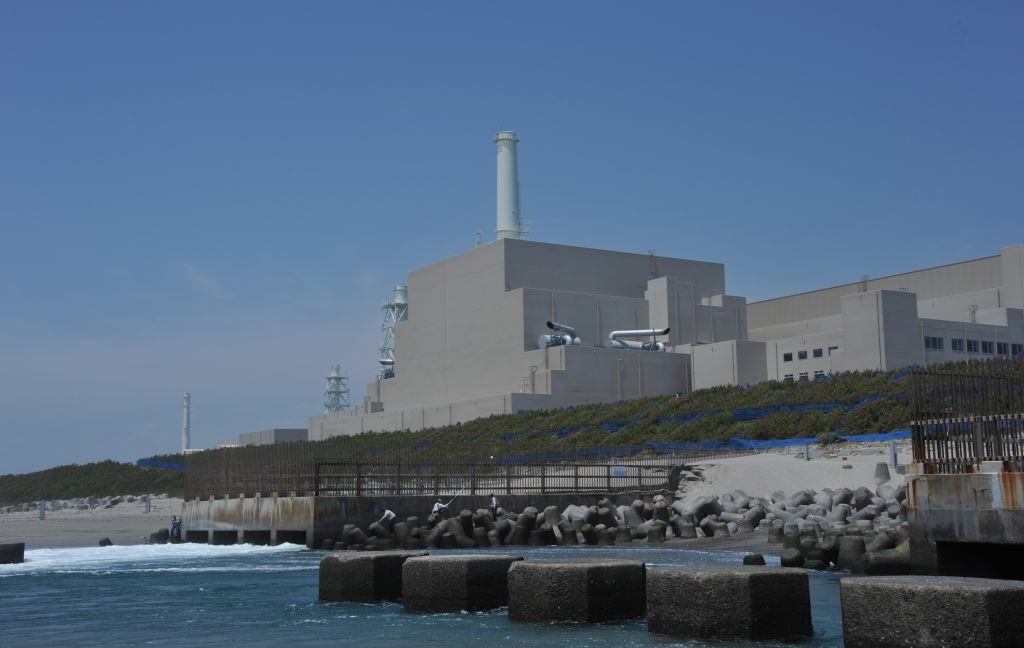
Japan’s Nuclear Regulation Authority announced on September 27, 2023, that it is halting the relicensing process for two reactors at the Hamaoka plant after discovering that the operator, Chubu Electric Power Co., fabricated seismic hazard data. This revelation comes at a critical time as Japan gradually seeks to reactivate its nuclear power plants, which were shut down following the Fukushima Daiichi disaster in 2011.
The Hamaoka plant is particularly concerning due to its location on the coast near an active subduction fault. The plant’s proximity to this seismic zone raises alarms, especially given Japan’s history with powerful earthquakes and tsunamis. A whistleblower alerted the Nuclear Regulation Authority to potential issues in February 2022, but the public only became aware of the situation this week when regulators announced the suspension of the evaluation process necessary for a reactor restart.
In a press release, Chubu Electric Power Co. detailed how its team manipulated seismic safety data. According to the company’s report, seismic risks were inaccurately assessed by scaling up ground motion data derived from smaller earthquakes. The standard procedure involves generating a set of 20 different upscaled earthquake scenarios and selecting the one that best represents the average. The company now admits that since 2018, its staff has been improperly selecting one scenario and then adjusting the remaining 19 to ensure the average appeared favorable.
While the company has not clarified the specific impact of this methodology on risk analysis, the adjustments seem designed to downplay actual risks. Given the slow and cautious approach Japan has taken in reactivating its nuclear fleet, the decision to compromise safety evaluations is particularly striking.
The Hamaoka plant’s location on Japan’s east coast places it at significant risk of the same catastrophic events that led to the Fukushima meltdown. Although the falsified data does not directly involve tsunami risks, it raises concerns about the operator’s commitment to safety. In light of these revelations, Chubu Electric has appointed a committee of external lawyers to investigate the matter thoroughly.
The Nuclear Regulation Authority’s decision to halt the safety evaluation process complicates the timeline for any potential restart of the Hamaoka reactors. The agency, which is striving to restore public trust following accusations of regulatory capture, faces additional scrutiny after a staff member reportedly lost a phone containing classified information while traveling in China just days before this announcement.
As Japan navigates the complexities of nuclear energy and public safety, the fallout from this incident underscores the urgent need for transparency and accountability in the industry. The future of the Hamaoka plant, and potentially others in the country, remains uncertain as investigations continue and stakeholders await further developments.

Meta Plans Major Layoffs as AI Costs Surge

Alberta’s Referendum Could Pave Way for U.S. Statehood

Minooka District 201 Plans Enhanced Bilingual Support for Students

Canmore Approves Multiple Development Permits for New Projects

Remembering Bradly Castillo Shearsmith: A Life of Friendship and Joy

BIS Urges Watchdogs to Integrate Synthetic Risk Transfers in Stress Tests

Teva Transforms: Shifting Focus from Generics to Branded Success

Apple Launches AirPods Max 2 with Enhanced Audio Features

Ontario Ends Funding for Seven Supervised Injection Sites

Toyoake City Proposes Daily Two-Hour Smartphone Use Limit

Pedestrian Fatally Injured in Esquimalt Collision on August 14

B.C. Review Reveals Urgent Need for Rare-Disease Drug Reforms

Dark Adventure Game “Bye Sweet Carole” Set for October Release

Konami Revives Iconic Metal Gear Solid Delta Ahead of Release

Victoria’s Pop-Up Shop Shines Light on B.C.’s Wolf Cull

Jimmy Lai’s Defense Challenges Charges Under National Security Law

Snapmaker U1 Color 3D Printer Redefines Speed and Sustainability

Apple Expands Self-Service Repair Program to Canada
-
 Science1 year ago
Toyoake City Proposes Daily Two-Hour Smartphone Use Limit
-
 Top Stories1 year ago
Pedestrian Fatally Injured in Esquimalt Collision on August 14
-
 Health1 year ago
B.C. Review Reveals Urgent Need for Rare-Disease Drug Reforms
-
 Technology1 year ago
Dark Adventure Game “Bye Sweet Carole” Set for October Release
-
 Technology1 year ago
Konami Revives Iconic Metal Gear Solid Delta Ahead of Release
-
 Lifestyle1 year ago
Victoria’s Pop-Up Shop Shines Light on B.C.’s Wolf Cull
-
 World1 year ago
Jimmy Lai’s Defense Challenges Charges Under National Security Law
-
 Technology1 year ago
Snapmaker U1 Color 3D Printer Redefines Speed and Sustainability
-
 Technology1 year ago
Apple Expands Self-Service Repair Program to Canada
-

 Technology1 year ago
AION Folding Knife: Redefining EDC Design with Premium Materials
-

 Technology1 year ago
Solve Today’s Wordle Challenge: Hints and Answer for August 19
-

 Business1 year ago
Gordon Murray Automotive Unveils S1 LM and Le Mans GTR at Monterey