
Science
McGill University Develops Automated Microneedle Patch for IVF

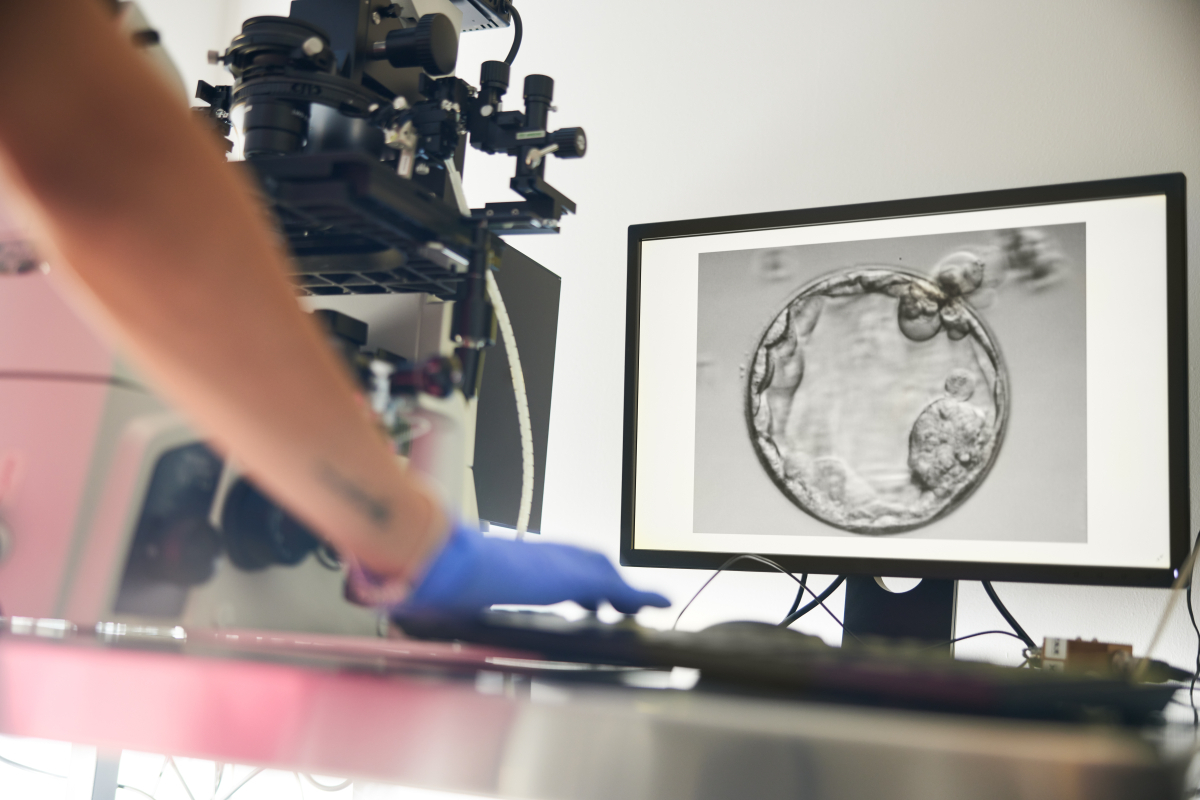
A team of researchers at McGill University has created a groundbreaking method for delivering hormones used in in vitro fertilization (IVF) through a light-activated microneedle patch. This innovative approach aims to simplify the daily hormone injection process that IVF patients encounter, which can be both physically and emotionally taxing.
The new delivery system utilizes a hydrogel microneedle patch embedded with specially engineered nanoparticles that contain leuprolide, a key hormone in IVF treatments. When exposed to near-infrared light, the patch releases the hormone in a programmed manner, allowing for precise timing that aligns with each patient’s needs.
Advancing Hormone Delivery Technology
Current methods of drug delivery often involve systems that introduce foreign materials into the body, leading to regulatory and safety concerns. According to Marta Cerruti, a professor of materials engineering and senior author of the study published in the journal Small, this project marks a significant milestone. “This is the first time that we were able to show light-triggered drug release from a nanoparticle-microneedle composite without releasing any foreign substance into the body,” she stated.
The research team optimized the concentration of hormone-bearing nanoparticles within each microneedle, ensuring that their structural integrity remained intact for effective skin penetration. They tested the system on a porcine skin model, demonstrating that the light trigger could successfully release leuprolide over a two-hour period. Remarkably, a brief five-minute pulse of light produced measurable levels of the hormone in the skin, bloodstream, and organs of a live rat.
PhD student Vivienne Tam, the lead author of the study, noted that customizing the timing of hormone release could enhance IVF success rates. “IVF success rates are at best 30 percent, even for the youngest women. The hope is that if you take out the human error with injecting yourself and deliver the drug at times optimized for each patient, you could potentially see this success rate go up,” she explained.
Potential Beyond Fertility Treatments
While the primary focus of this technology is on improving IVF treatments, its implications extend to other medical fields that require regular injections. Patients with conditions such as diabetes or multiple sclerosis could also benefit from this painless and automated delivery method.
The absence of leftover nanoparticles in the body may facilitate a smoother pathway to clinical application compared to earlier systems. The research team plans to continue refining dosing protocols, exploring hormone release profiles, and investigating commercial opportunities for their innovative patch.
This study, titled “Upconverting Nanoparticle-Loaded Microneedles for Near-Infrared Responsive Delivery of Gonadotropins to Increase Success of In-Vitro Fertilization,” received funding from the Natural Sciences and Engineering Research Council (NSERC) and Vanier Canada Graduate Scholarships. As this technology progresses, it could redefine hormone delivery methods and enhance treatment experiences for countless patients.

Meta Plans Major Layoffs as AI Costs Surge

Alberta’s Referendum Could Pave Way for U.S. Statehood

Minooka District 201 Plans Enhanced Bilingual Support for Students

Canmore Approves Multiple Development Permits for New Projects

Remembering Bradly Castillo Shearsmith: A Life of Friendship and Joy

BIS Urges Watchdogs to Integrate Synthetic Risk Transfers in Stress Tests

Teva Transforms: Shifting Focus from Generics to Branded Success

Apple Launches AirPods Max 2 with Enhanced Audio Features

Ontario Ends Funding for Seven Supervised Injection Sites

Toyoake City Proposes Daily Two-Hour Smartphone Use Limit

Pedestrian Fatally Injured in Esquimalt Collision on August 14

B.C. Review Reveals Urgent Need for Rare-Disease Drug Reforms

Dark Adventure Game “Bye Sweet Carole” Set for October Release

Konami Revives Iconic Metal Gear Solid Delta Ahead of Release

Victoria’s Pop-Up Shop Shines Light on B.C.’s Wolf Cull

Jimmy Lai’s Defense Challenges Charges Under National Security Law

Snapmaker U1 Color 3D Printer Redefines Speed and Sustainability

Apple Expands Self-Service Repair Program to Canada
-
 Science1 year ago
Toyoake City Proposes Daily Two-Hour Smartphone Use Limit
-
 Top Stories1 year ago
Pedestrian Fatally Injured in Esquimalt Collision on August 14
-
 Health1 year ago
B.C. Review Reveals Urgent Need for Rare-Disease Drug Reforms
-
 Technology1 year ago
Dark Adventure Game “Bye Sweet Carole” Set for October Release
-
 Technology1 year ago
Konami Revives Iconic Metal Gear Solid Delta Ahead of Release
-
 Lifestyle1 year ago
Victoria’s Pop-Up Shop Shines Light on B.C.’s Wolf Cull
-
 World1 year ago
Jimmy Lai’s Defense Challenges Charges Under National Security Law
-
 Technology1 year ago
Snapmaker U1 Color 3D Printer Redefines Speed and Sustainability
-
 Technology1 year ago
Apple Expands Self-Service Repair Program to Canada
-

 Technology1 year ago
AION Folding Knife: Redefining EDC Design with Premium Materials
-

 Technology1 year ago
Solve Today’s Wordle Challenge: Hints and Answer for August 19
-

 Business1 year ago
Gordon Murray Automotive Unveils S1 LM and Le Mans GTR at Monterey