
Science
Major Cuts at Lacombe Research Facility Amid Federal Budget Review

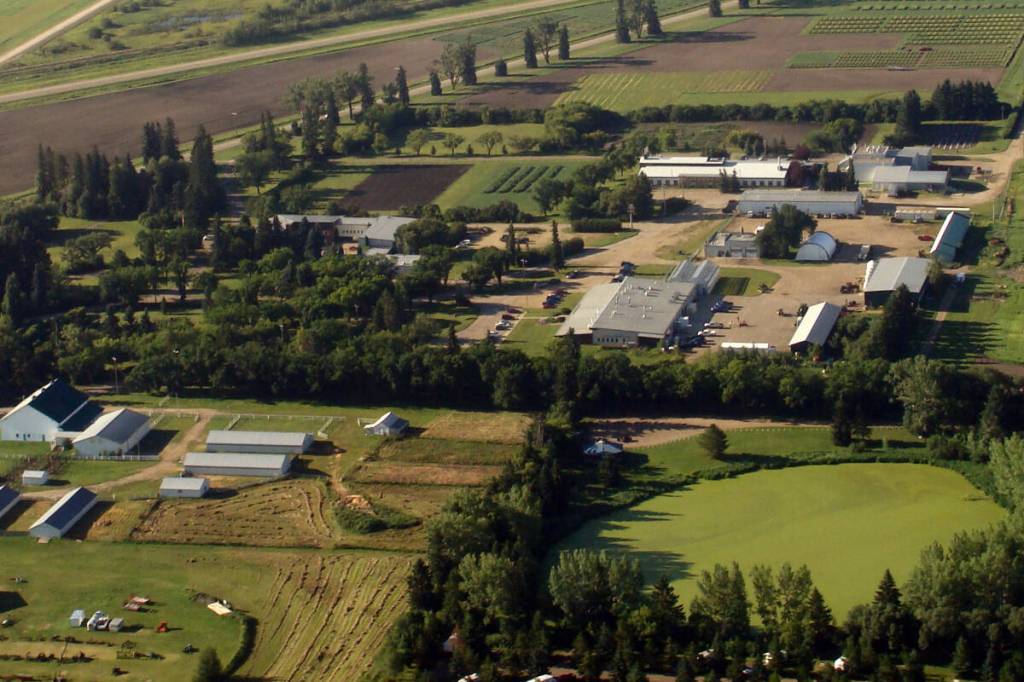
The Lacombe Research and Development Centre will close its doors as part of significant budget cuts announced by Agriculture and Agri-Food Canada (AAFC). According to a letter from Deputy Minister of Agriculture and Agri-Food, Lawrence Hanson, the department will eliminate over 600 jobs nationwide by 2026. This decision follows a review of the impacts of the 2025 federal budget on the department’s operations.
In his correspondence to AAFC staff, Hanson explained that the organization has finalized its review and identified a path forward to reduce spending in alignment with the budget decisions. “AAFC’s workforce will be reduced by approximately 665 positions, including executive roles,” he stated. The workforce reduction will be achieved through attrition and workforce adjustment measures, impacting both executive and non-executive employees.
Notifications regarding the job cuts will begin on January 22, 2026, with a total of 1,043 letters set to be issued to affected staff. The announcement has already sparked concern among employees and stakeholders within the agricultural community.
On social media, Hushton Block, a beef production systems research scientist at the Lacombe facility, confirmed the closure, stating, “AAFC Lacombe Research and Development Centre is being shut down as a result of government budget cuts.” His comments reflect a growing unease about the implications for agricultural research in the region.
Local Member of Parliament Blaine Calkins, who represents Ponoka-Didsbury, expressed his disappointment regarding the closure. On January 23, he remarked that the decision by the federal government is a significant loss for farmers and producers in the region. “This station has served the interest of farmers and producers, agribusiness, and Central Alberta’s broader scientific community for decades,” Calkins stated. He emphasized that the centre has been a pioneering organization for 119 years, now facing closure due to what he described as a “radical anti-rural agenda” from the federal government.
Established in 1907, the Lacombe Research and Development Centre has been integral to AAFC’s network of research facilities. The centre focuses on two primary areas: livestock and meat production, and crop sciences. The research aims to enhance the economic stability of livestock production while minimizing environmental impacts. It also supports the Canadian fresh meat processing sector in delivering safe, high-quality products, primarily beef and pork.
In addition to livestock research, the Lacombe facility engages in crop sciences, including plant breeding for field peas and oats, integrated crop protection, and the development of best agronomic practices. Furthermore, the Beaverlodge Research Farm, another AAFC location, hosts the national honey bee research program, focusing on bee health.
As the agricultural community grapples with the implications of these budget cuts, the Advocate is awaiting further comments from AAFC regarding the facility’s closure and the future of agricultural research in Canada.

Meta Plans Major Layoffs as AI Costs Surge

Alberta’s Referendum Could Pave Way for U.S. Statehood

Minooka District 201 Plans Enhanced Bilingual Support for Students

Canmore Approves Multiple Development Permits for New Projects

Remembering Bradly Castillo Shearsmith: A Life of Friendship and Joy

BIS Urges Watchdogs to Integrate Synthetic Risk Transfers in Stress Tests

Teva Transforms: Shifting Focus from Generics to Branded Success

Apple Launches AirPods Max 2 with Enhanced Audio Features

Ontario Ends Funding for Seven Supervised Injection Sites

Toyoake City Proposes Daily Two-Hour Smartphone Use Limit

Pedestrian Fatally Injured in Esquimalt Collision on August 14

B.C. Review Reveals Urgent Need for Rare-Disease Drug Reforms

Dark Adventure Game “Bye Sweet Carole” Set for October Release

Konami Revives Iconic Metal Gear Solid Delta Ahead of Release

Victoria’s Pop-Up Shop Shines Light on B.C.’s Wolf Cull

Jimmy Lai’s Defense Challenges Charges Under National Security Law

Snapmaker U1 Color 3D Printer Redefines Speed and Sustainability

Apple Expands Self-Service Repair Program to Canada
-
 Science11 months ago
Toyoake City Proposes Daily Two-Hour Smartphone Use Limit
-
 Top Stories11 months ago
Pedestrian Fatally Injured in Esquimalt Collision on August 14
-
 Health11 months ago
B.C. Review Reveals Urgent Need for Rare-Disease Drug Reforms
-
 Technology11 months ago
Dark Adventure Game “Bye Sweet Carole” Set for October Release
-
 Technology11 months ago
Konami Revives Iconic Metal Gear Solid Delta Ahead of Release
-
 Lifestyle11 months ago
Victoria’s Pop-Up Shop Shines Light on B.C.’s Wolf Cull
-
 World11 months ago
Jimmy Lai’s Defense Challenges Charges Under National Security Law
-
 Technology11 months ago
Snapmaker U1 Color 3D Printer Redefines Speed and Sustainability
-
 Technology11 months ago
Apple Expands Self-Service Repair Program to Canada
-

 Technology11 months ago
AION Folding Knife: Redefining EDC Design with Premium Materials
-

 Technology11 months ago
Solve Today’s Wordle Challenge: Hints and Answer for August 19
-

 Business11 months ago
Gordon Murray Automotive Unveils S1 LM and Le Mans GTR at Monterey