
Science
NIH’s Jay Bhattacharya Advocates for Scientific Reformation

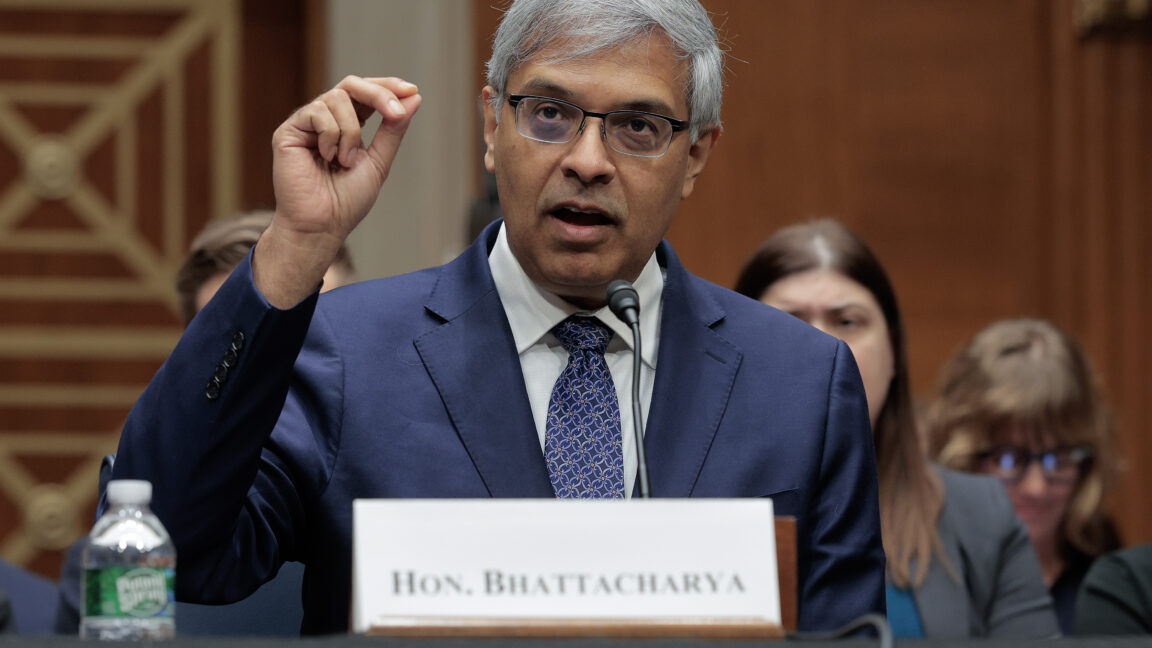
In a significant gathering in Washington, DC, on January 30, 2024, Jay Bhattacharya, the head of the National Institutes of Health (NIH), addressed a supportive audience at the MAHA Institute. This event marked a notable convergence of scientific leadership and advocates of unconventional health ideas. Bhattacharya received a warm reception, including a partial standing ovation, despite the MAHA Institute’s controversial reputation for promoting unscientific concepts.
The five-hour meeting revealed shared frustrations regarding pandemic responses and the perceived failures of the healthcare system. Both Bhattacharya and MAHA moderators expressed concerns about public trust in science, suggesting a collective desire for profound changes in scientific practices. Bhattacharya’s vision for a “second scientific revolution” aims, in part, to address these issues.
While some of Bhattacharya’s proposed reforms align with contemporary scientific needs, they may not fully encapsulate the changes necessary for a true revolution. His motivations seem to be fueled by a lingering resentment toward pandemic policies, which he feels undermined scientific integrity. The NIH’s leadership is now tasked with navigating this complex landscape while maintaining scientific rigor.
MAHA’s Influence on Scientific Discourse
The MAHA Institute’s event was characterized by a clear agenda to “reclaim” the NIH’s integrity, as articulated by one of its vice presidents. This sentiment resonated with the audience, who expressed a desire for a scientific approach less influenced by political agendas and more focused on practical health solutions. Questions posed during the event touched on controversial topics, including the safety of COVID-19 vaccines and the potential for alternative treatments, reflecting a broader skepticism of established scientific consensus.
Moderators’ questions indicated a willingness to entertain fringe ideas, such as the possibility of a lab leak origin for COVID-19. Audience members expressed admiration for individuals who publicly rejected COVID-19 vaccinations, showcasing a divide in public health perspectives. This atmosphere posed challenges for Bhattacharya, who attempted to align his vision with the audience’s sentiments while justifying the NIH’s recent changes.
Despite the event’s contentious nature, Bhattacharya’s ideas on enhancing scientific replication and prioritizing research funding were noteworthy. He acknowledged the need for a cultural shift within the NIH to embrace broader definitions of scientific success, including the publication of negative results and exploratory research. He proposed a new grant structure intended to support riskier, innovative projects that could yield significant scientific advancements.
Challenges of Political Alignment
Bhattacharya’s relationship with the MAHA Institute and its political backing from figures such as Robert F. Kennedy Jr. has prompted criticism regarding the potential implications for scientific integrity. While he advocates for policies aimed at increasing public health access and funding for young researchers, the coherence of his proposals remains under scrutiny. Critics argue that addressing the root problems of the pandemic response necessitates more than mere adjustments to funding strategies.
The dichotomy between Bhattacharya’s claims of scientific empowerment and the reality of NIH staff discontent raises questions about the impact of political affiliations on scientific policy. Many NIH employees have expressed dissatisfaction with recent changes, and Bhattacharya’s assertions of staff enthusiasm may overlook legitimate concerns about job security and funding.
While Bhattacharya’s call for a second scientific revolution resonates with some, the notion of a fundamental shift in scientific methodology is fraught with complexity. Critics highlight the need for a robust dialogue that transcends political divides, advocating for a return to established scientific principles rather than a reactionary overhaul shaped by discontent.
The challenges ahead for the NIH under Bhattacharya’s leadership are manifold. Navigating the political landscape while fostering an environment conducive to rigorous scientific inquiry will be critical. The intersection of scientific integrity and political ideologies may significantly shape the future of health research and public trust in science.

Meta Plans Major Layoffs as AI Costs Surge

Alberta’s Referendum Could Pave Way for U.S. Statehood

Minooka District 201 Plans Enhanced Bilingual Support for Students

Canmore Approves Multiple Development Permits for New Projects

Remembering Bradly Castillo Shearsmith: A Life of Friendship and Joy

BIS Urges Watchdogs to Integrate Synthetic Risk Transfers in Stress Tests

Teva Transforms: Shifting Focus from Generics to Branded Success

Apple Launches AirPods Max 2 with Enhanced Audio Features

Ontario Ends Funding for Seven Supervised Injection Sites

Toyoake City Proposes Daily Two-Hour Smartphone Use Limit

Pedestrian Fatally Injured in Esquimalt Collision on August 14

B.C. Review Reveals Urgent Need for Rare-Disease Drug Reforms

Dark Adventure Game “Bye Sweet Carole” Set for October Release

Konami Revives Iconic Metal Gear Solid Delta Ahead of Release

Victoria’s Pop-Up Shop Shines Light on B.C.’s Wolf Cull

Jimmy Lai’s Defense Challenges Charges Under National Security Law

Snapmaker U1 Color 3D Printer Redefines Speed and Sustainability

Apple Expands Self-Service Repair Program to Canada
-
 Science11 months ago
Toyoake City Proposes Daily Two-Hour Smartphone Use Limit
-
 Top Stories11 months ago
Pedestrian Fatally Injured in Esquimalt Collision on August 14
-
 Health11 months ago
B.C. Review Reveals Urgent Need for Rare-Disease Drug Reforms
-
 Technology11 months ago
Dark Adventure Game “Bye Sweet Carole” Set for October Release
-
 Technology11 months ago
Konami Revives Iconic Metal Gear Solid Delta Ahead of Release
-
 Lifestyle11 months ago
Victoria’s Pop-Up Shop Shines Light on B.C.’s Wolf Cull
-
 World11 months ago
Jimmy Lai’s Defense Challenges Charges Under National Security Law
-
 Technology11 months ago
Snapmaker U1 Color 3D Printer Redefines Speed and Sustainability
-
 Technology11 months ago
Apple Expands Self-Service Repair Program to Canada
-

 Technology11 months ago
AION Folding Knife: Redefining EDC Design with Premium Materials
-

 Technology11 months ago
Solve Today’s Wordle Challenge: Hints and Answer for August 19
-

 Business11 months ago
Gordon Murray Automotive Unveils S1 LM and Le Mans GTR at Monterey