
Science
Researcher Veerabhadran Ramanathan Wins Crafoord Prize for Climate Insights

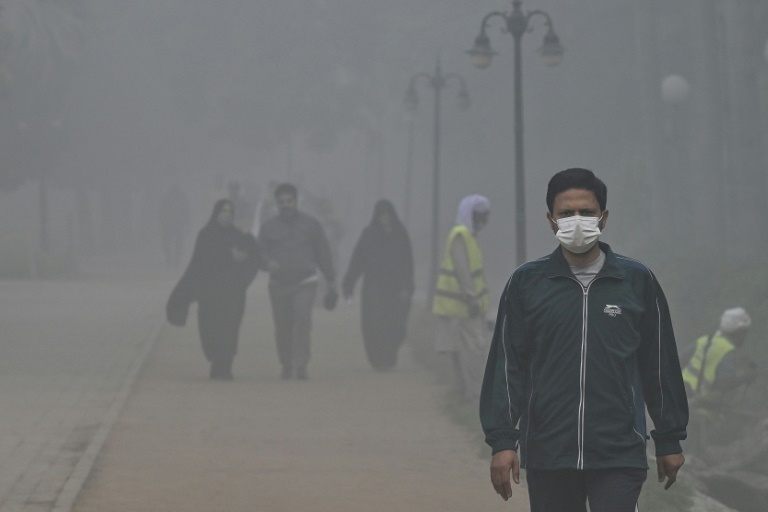
A researcher from the University of California San Diego, Veerabhadran Ramanathan, has been awarded the prestigious Crafoord Prize in Geosciences by the Royal Swedish Academy of Sciences. This recognition, valued at 8 million Swedish kronor, acknowledges his fundamental contributions to understanding how small particles and gases in the atmosphere contribute to climate change.
The award highlights that climate change is not solely attributable to carbon dioxide emissions. As Ramanathan’s work illustrates, other pollutants, particularly aerosols, play a significant role in influencing the climate. Ilona Riipinen, a professor of atmospheric sciences at Stockholm University and member of the Crafoord Prize Committee for Geosciences, noted, “He has expanded our view of how humankind is affecting the atmosphere’s composition, the climate and air quality, and how these three interact.”
Groundbreaking Research Since the 1980s
Professor Ramanathan’s research has had a lasting impact since the 1980s when he was instrumental in NASA’s initiatives to use satellites for measuring the Earth’s energy budget. This research revealed how greenhouse gases from human activities trap an increasing amount of heat in the atmosphere, significantly contributing to global warming.
Ramanathan also investigated the effects of chlorofluorocarbons (CFCs), commonly known as freons, which are used in refrigeration and spray cans. His findings indicated that these substances not only harm the ozone layer but also have adverse effects on the climate.
In a significant experiment conducted over the Indian Ocean, researchers discovered elevated levels of pollutants in the air, even far from land. Some of these dark aerosols, such as soot particles, absorb radiation and contribute to atmospheric heating, showcasing the interconnectedness of various climate factors.
Influencing Policy and Public Perception
Ramanathan’s insights have had substantial practical implications, forming the basis for international agreements aimed at addressing climate change. His ability to communicate complex scientific concepts has influenced a wide range of audiences, from political leaders to religious figures, including popes.
The Crafoord Prize serves not only to honor Ramanathan’s achievements but also to promote public understanding of climate science. He expressed gratitude for the award, stating, “It gives me a forum to talk about the science of climate change and build public trust in climate science.”
The Crafoord Prize is awarded in collaboration with the Crafoord Foundation in Lund, Sweden. Each year, the prize highlights excellence in various scientific disciplines, including mathematics, astronomy, geosciences, and biosciences. The Royal Swedish Academy of Sciences is responsible for selecting the laureates, ensuring that the awards reflect the best possible observations and fundamental principles of physics and chemistry.
Ramanathan’s work underscores the complexity of climate change and the necessity for a comprehensive understanding of the various factors influencing our planet’s atmosphere. As the world grapples with the ongoing climate crisis, his research remains crucial for developing effective strategies to mitigate its impacts.

Meta Plans Major Layoffs as AI Costs Surge

Alberta’s Referendum Could Pave Way for U.S. Statehood

Minooka District 201 Plans Enhanced Bilingual Support for Students

Canmore Approves Multiple Development Permits for New Projects

Remembering Bradly Castillo Shearsmith: A Life of Friendship and Joy

BIS Urges Watchdogs to Integrate Synthetic Risk Transfers in Stress Tests

Teva Transforms: Shifting Focus from Generics to Branded Success

Apple Launches AirPods Max 2 with Enhanced Audio Features

Ontario Ends Funding for Seven Supervised Injection Sites

Toyoake City Proposes Daily Two-Hour Smartphone Use Limit

Pedestrian Fatally Injured in Esquimalt Collision on August 14

B.C. Review Reveals Urgent Need for Rare-Disease Drug Reforms

Dark Adventure Game “Bye Sweet Carole” Set for October Release

Konami Revives Iconic Metal Gear Solid Delta Ahead of Release

Victoria’s Pop-Up Shop Shines Light on B.C.’s Wolf Cull

Jimmy Lai’s Defense Challenges Charges Under National Security Law

Snapmaker U1 Color 3D Printer Redefines Speed and Sustainability

Apple Expands Self-Service Repair Program to Canada
-
 Science11 months ago
Toyoake City Proposes Daily Two-Hour Smartphone Use Limit
-
 Top Stories11 months ago
Pedestrian Fatally Injured in Esquimalt Collision on August 14
-
 Health11 months ago
B.C. Review Reveals Urgent Need for Rare-Disease Drug Reforms
-
 Technology11 months ago
Dark Adventure Game “Bye Sweet Carole” Set for October Release
-
 Technology11 months ago
Konami Revives Iconic Metal Gear Solid Delta Ahead of Release
-
 Lifestyle11 months ago
Victoria’s Pop-Up Shop Shines Light on B.C.’s Wolf Cull
-
 World11 months ago
Jimmy Lai’s Defense Challenges Charges Under National Security Law
-
 Technology11 months ago
Snapmaker U1 Color 3D Printer Redefines Speed and Sustainability
-
 Technology11 months ago
Apple Expands Self-Service Repair Program to Canada
-

 Technology11 months ago
AION Folding Knife: Redefining EDC Design with Premium Materials
-

 Technology11 months ago
Solve Today’s Wordle Challenge: Hints and Answer for August 19
-

 Business11 months ago
Gordon Murray Automotive Unveils S1 LM and Le Mans GTR at Monterey