
Science
Researchers Uncover Secrets of Sourdough Microbiome in New Study

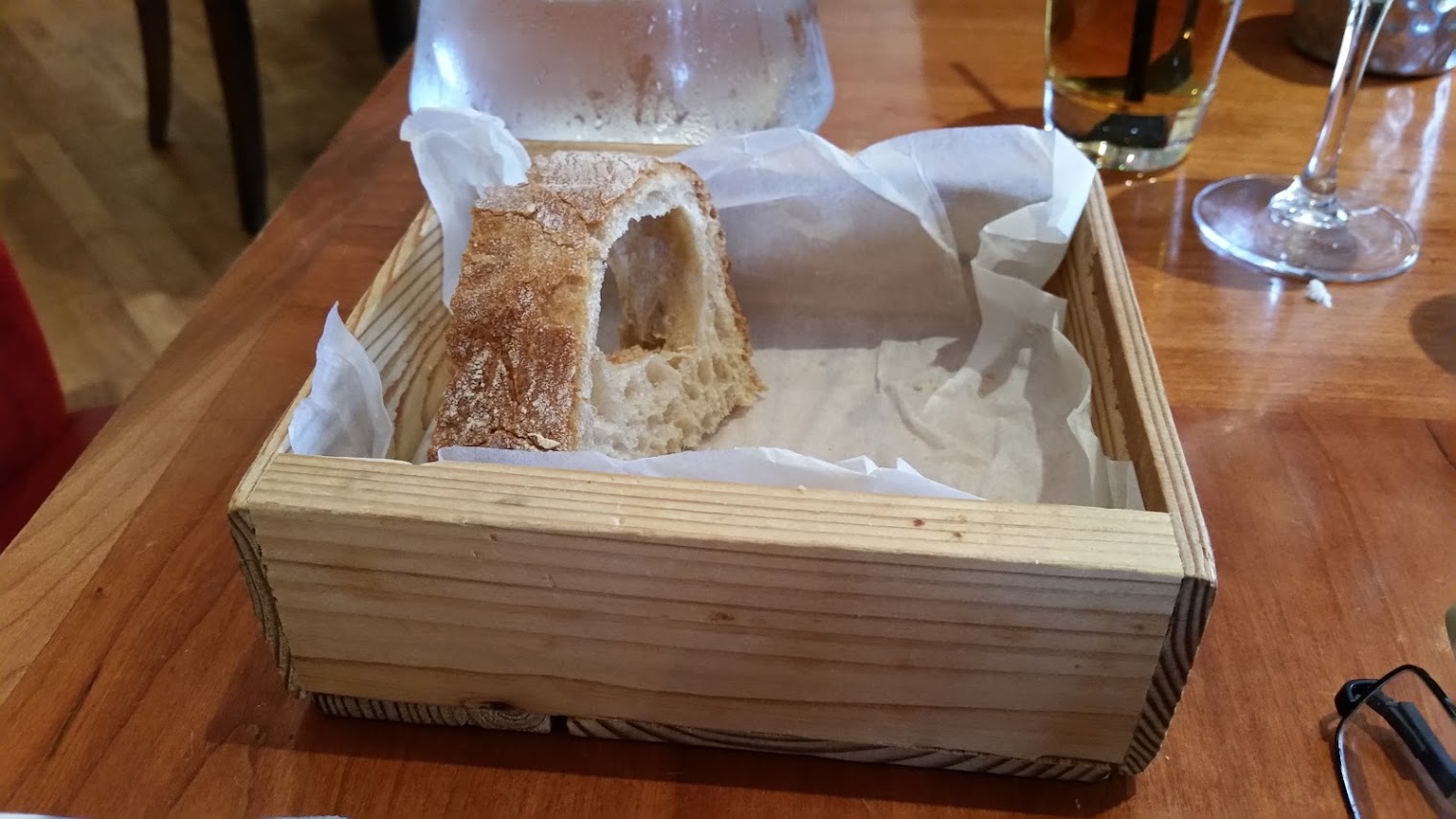
Sourdough bread has gained immense popularity in households worldwide, with many embracing this artisanal staple. Recent research published in the journal Microbiology Spectrum reveals how the choice of flour influences the microbial communities in sourdough starters, ultimately affecting the bread’s unique flavour and texture.
The study highlights the role of microorganisms, particularly wild yeast and lactic acid bacteria, that contribute to the fermentation process. These microbes are not random; they are shaped by the ingredients bakers provide. While a common yeast species, Kazachstania, consistently dominates across various starters, the bacterial composition varies significantly depending on the flour type used.
Impact of Flour on Sourdough Microbes
Scientists investigated how different flours—such as whole wheat, bread flour, and all-purpose flour—affect the microbial makeup of sourdough starters. Their findings suggest that changing flour types can significantly influence the characteristics of the bread. The research indicates that while Kazachstania yeast was prevalent in all samples, the bacterial communities demonstrated greater diversity.
This yeast species is notable for its ability to metabolise various carbohydrates and thrive in different environments, including fermented foods. The study reveals that starters made with whole wheat flour had higher levels of Companilactobacillus, whereas those using bread flour exhibited more Levilactobacillus. This variation underscores the concept that altering flour types can lead to different taste profiles and textures in sourdough bread.
“By changing the flour, bakers can potentially alter the taste of their bread,”
said researcher Tim Sandle, emphasizing the responsive nature of the sourdough microbiome to environmental conditions.
Methodology and Findings
The researchers employed a technique called metabarcoding to identify the various microbes present in the sourdough starters. Initially, all samples shared similar bacterial profiles and a mix of yeast. However, after several weeks of regular feedings, the microbial communities evolved.
The study’s findings indicate that, regardless of the flour type, the same yeast species dominated, showcasing the resilience of Kazachstania. The diversity among bacteria, however, indicates a more complex interaction with the flour type. The research also demonstrated how environmental factors, including the air and baker’s hands, contribute to the microbial landscape of sourdough.
The implications of this research extend beyond culinary applications. By understanding how different flours support various microbial communities, scientists can gain insights into microbial competition and adaptation. The study highlights the intricate relationship between food ingredients and microbial life, paving the way for future explorations in food science.
As the popularity of sourdough continues to rise, this research provides valuable information for both home bakers and professionals seeking to enhance their bread-making skills. The findings not only deepen our understanding of sourdough but also underscore the importance of microbial diversity in food products.

Meta Plans Major Layoffs as AI Costs Surge

Alberta’s Referendum Could Pave Way for U.S. Statehood

Minooka District 201 Plans Enhanced Bilingual Support for Students

Canmore Approves Multiple Development Permits for New Projects

Remembering Bradly Castillo Shearsmith: A Life of Friendship and Joy

BIS Urges Watchdogs to Integrate Synthetic Risk Transfers in Stress Tests

Teva Transforms: Shifting Focus from Generics to Branded Success

Apple Launches AirPods Max 2 with Enhanced Audio Features

Ontario Ends Funding for Seven Supervised Injection Sites

Toyoake City Proposes Daily Two-Hour Smartphone Use Limit

Pedestrian Fatally Injured in Esquimalt Collision on August 14

B.C. Review Reveals Urgent Need for Rare-Disease Drug Reforms

Dark Adventure Game “Bye Sweet Carole” Set for October Release

Konami Revives Iconic Metal Gear Solid Delta Ahead of Release

Victoria’s Pop-Up Shop Shines Light on B.C.’s Wolf Cull

Jimmy Lai’s Defense Challenges Charges Under National Security Law

Snapmaker U1 Color 3D Printer Redefines Speed and Sustainability

Apple Expands Self-Service Repair Program to Canada
-
 Science11 months ago
Toyoake City Proposes Daily Two-Hour Smartphone Use Limit
-
 Top Stories11 months ago
Pedestrian Fatally Injured in Esquimalt Collision on August 14
-
 Health11 months ago
B.C. Review Reveals Urgent Need for Rare-Disease Drug Reforms
-
 Technology11 months ago
Dark Adventure Game “Bye Sweet Carole” Set for October Release
-
 Technology11 months ago
Konami Revives Iconic Metal Gear Solid Delta Ahead of Release
-
 Lifestyle11 months ago
Victoria’s Pop-Up Shop Shines Light on B.C.’s Wolf Cull
-
 World11 months ago
Jimmy Lai’s Defense Challenges Charges Under National Security Law
-
 Technology11 months ago
Snapmaker U1 Color 3D Printer Redefines Speed and Sustainability
-
 Technology11 months ago
Apple Expands Self-Service Repair Program to Canada
-

 Technology11 months ago
AION Folding Knife: Redefining EDC Design with Premium Materials
-

 Technology11 months ago
Solve Today’s Wordle Challenge: Hints and Answer for August 19
-

 Business11 months ago
Gordon Murray Automotive Unveils S1 LM and Le Mans GTR at Monterey