
Science
Flour Type Influences Microbial Diversity in Sourdough Starters

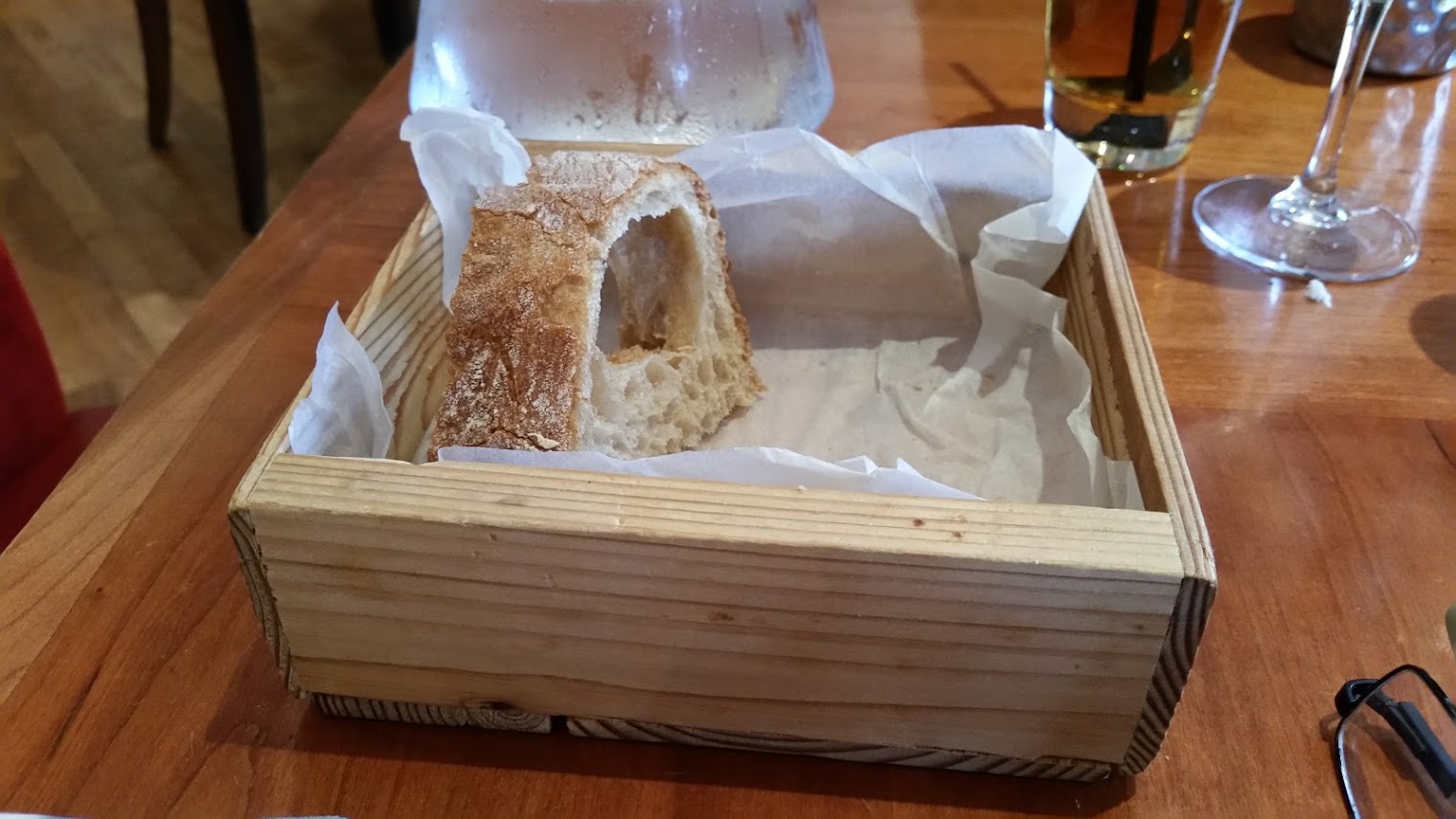
Sourdough bread has gained immense popularity in households around the world, attributed largely to its artisanal qualities. A recent study has revealed that the microbial composition of sourdough starters is significantly influenced by the type of flour used. The research sheds light on the intricate relationship between flour composition, microbial diversity, and the resulting flavor and texture of sourdough bread.
The study, published in the journal Microbiology Spectrum, emphasizes that while the robust yeast species from the genus Kazachstania tends to dominate across various starters, the bacterial communities exhibit considerable variation depending on the flour type. This finding highlights the complexity of the sourdough microbiome and its responsiveness to environmental conditions.
Different flours, such as whole wheat and bread flour, support distinct bacterial communities. This variation can subtly alter the bread’s flavor and texture, offering bakers the opportunity to experiment with different ingredients to achieve desired results. The microorganisms in sourdough, primarily wild yeast and lactic acid bacteria, work synergistically to ferment carbohydrates present in the flour, producing carbon dioxide that causes the dough to rise.
Researchers have identified over 60 types of bacteria and more than 80 yeast species in sourdough from diverse regions globally. This extensive microbial diversity allows sourdough to serve as a valuable model for studying experimental evolution over time.
Flour Choice and Microbial Dynamics
In their investigation, scientists sought to determine how flour selection impacts the microbial inhabitants of sourdough starters. Their analysis revealed that while the Kazachstania yeast species consistently emerged as the most prevalent across all samples, the bacterial communities varied significantly based on the flour used.
Kazachstania is notable for its adaptability, being found in various environments, including fermented foods and wastewater. The yeast’s ability to metabolize a range of carbohydrates and endure different conditions contributes to its dominance in sourdough.
The research results indicate that changing flour types could alter the microbial composition of a starter. Consequently, bakers might influence the taste and texture of their bread simply by varying the flour used. This adaptability underscores the sensitivity of the sourdough microbiome to its surroundings, including the flour type, ambient air, and even the baker’s hands.
Methodology and Findings
To explore the microbial dynamics, the researchers employed a genetic technique known as metabarcoding, which allows for rapid identification of microbes present in a sample. Each starter was initiated with one of three substrates: all-purpose flour, bread flour, or whole wheat flour. Initially, the bacterial profiles across the different flour types were similar, and a variety of yeasts was present.
As the experiment progressed over several weeks of regular feeding, significant shifts were observed in the microbial communities. Although all starters became dominated by the same yeast, the bacterial diversity increased. Starters made with whole wheat flour exhibited higher levels of Companilactobacillus, a type of lactic acid bacteria, while those made with bread flour showed increased levels of Levilactobacillus, which is commonly found in tibicos grains.
Researchers are now focusing on how these organisms adapt to new environments and compete genetically. Understanding the unique nutritional conditions offered by different flour types can reveal insights into how diverse microbial communities form and persist.
This research not only enriches the understanding of sourdough fermentation but also opens avenues for bakers interested in fine-tuning their bread-making processes. By recognizing the role of flour in shaping the microbial landscape, enthusiasts can experiment with various types to create their perfect sourdough.

Meta Plans Major Layoffs as AI Costs Surge

Alberta’s Referendum Could Pave Way for U.S. Statehood

Minooka District 201 Plans Enhanced Bilingual Support for Students

Canmore Approves Multiple Development Permits for New Projects

Remembering Bradly Castillo Shearsmith: A Life of Friendship and Joy

BIS Urges Watchdogs to Integrate Synthetic Risk Transfers in Stress Tests

Teva Transforms: Shifting Focus from Generics to Branded Success

Apple Launches AirPods Max 2 with Enhanced Audio Features

Ontario Ends Funding for Seven Supervised Injection Sites

Toyoake City Proposes Daily Two-Hour Smartphone Use Limit

Pedestrian Fatally Injured in Esquimalt Collision on August 14

B.C. Review Reveals Urgent Need for Rare-Disease Drug Reforms

Dark Adventure Game “Bye Sweet Carole” Set for October Release

Konami Revives Iconic Metal Gear Solid Delta Ahead of Release

Victoria’s Pop-Up Shop Shines Light on B.C.’s Wolf Cull

Jimmy Lai’s Defense Challenges Charges Under National Security Law

Snapmaker U1 Color 3D Printer Redefines Speed and Sustainability

Apple Expands Self-Service Repair Program to Canada
-
 Science11 months ago
Toyoake City Proposes Daily Two-Hour Smartphone Use Limit
-
 Top Stories11 months ago
Pedestrian Fatally Injured in Esquimalt Collision on August 14
-
 Health11 months ago
B.C. Review Reveals Urgent Need for Rare-Disease Drug Reforms
-
 Technology11 months ago
Dark Adventure Game “Bye Sweet Carole” Set for October Release
-
 Technology11 months ago
Konami Revives Iconic Metal Gear Solid Delta Ahead of Release
-
 Lifestyle11 months ago
Victoria’s Pop-Up Shop Shines Light on B.C.’s Wolf Cull
-
 World11 months ago
Jimmy Lai’s Defense Challenges Charges Under National Security Law
-
 Technology11 months ago
Snapmaker U1 Color 3D Printer Redefines Speed and Sustainability
-
 Technology11 months ago
Apple Expands Self-Service Repair Program to Canada
-

 Technology11 months ago
AION Folding Knife: Redefining EDC Design with Premium Materials
-

 Technology11 months ago
Solve Today’s Wordle Challenge: Hints and Answer for August 19
-

 Business11 months ago
Gordon Murray Automotive Unveils S1 LM and Le Mans GTR at Monterey