
Science
Researchers Unveil Cow Communication Insights at Dalhousie University

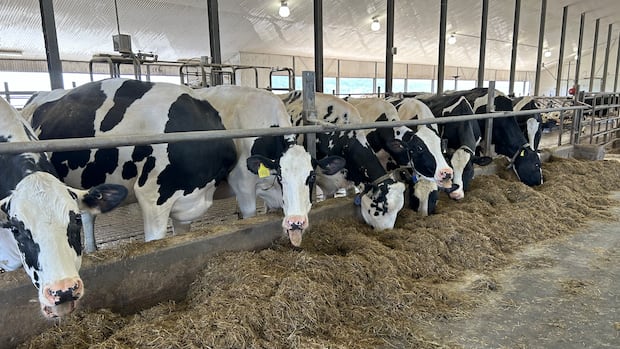
Researchers at Dalhousie University are exploring the intricate world of cow communication, aiming to decode the meaning behind various vocalizations. Led by Dr. Ghader Manafiazar, a professor in the Faculty of Agriculture, the team is analyzing the sounds cows make, particularly around the time of calving. The study seeks to identify whether different vocal patterns carry distinct meanings, much like human speech.
Over the course of the project, Manafiazar and his student Hassan Miraei have recorded more than 8,400 hours of audio, focusing on the week prior to and following a cow’s calving. Their goal is to determine if certain vocalizations indicate stress or other emotional states in the animals. Manafiazar compares this research to a parent’s ability to interpret a baby’s cries, stating, “When they say ‘moo,’ is it different from saying ‘moooooo?'”
Leveraging Artificial Intelligence for Sound Analysis
The research employs an artificial intelligence (AI) algorithm designed to catalog and analyze the recorded sounds. The algorithm works in tandem with data collected by the researchers, including the time of day and the behavior of the cows before and after vocalizing. For example, if a specific type of moo occurs shortly before a cow gives birth, this information is fed into the AI model for analysis.
Miraei explains that the AI aims to recognize vocal patterns and make educated guesses about the cows’ states. The algorithm could suggest whether a cow is hungry, tired, in pain, or perhaps simply enjoying its surroundings. “If there is some time that we see a high rise in their pitch, this could be associated with something particular,” Manafiazar noted, hinting at a variety of potential triggers for vocal changes.
The research is still in its early phases. Initially, the team is using a supervised algorithm, where suggestions are verified against the researchers’ notes about the cows’ activities. The ultimate aim is to transition to an unsupervised algorithm, which would allow for real-time audio analysis. In this scenario, a recorder in the barn would send sounds directly to the AI model, which would interpret the vocalizations on the spot.
Future Implications for Farmers and Animal Welfare
The implications of this research extend beyond mere curiosity about cow sounds. Manafiazar and Miraei hope their findings will enable farmers to better understand and anticipate changes in their cattle’s moods, health, and behavior. Understanding the nuances of cow communication could lead to improved animal welfare and more effective farming practices.
While the journey to decoding cow communication is ongoing, the optimism from the research team is palpable. As they continue to refine their methods and enhance their AI capabilities, the potential to bridge the gap between humans and cattle becomes increasingly attainable. This innovative approach not only sheds light on animal behavior but also opens new avenues for agricultural technology and animal husbandry practices.

Meta Plans Major Layoffs as AI Costs Surge

Alberta’s Referendum Could Pave Way for U.S. Statehood

Minooka District 201 Plans Enhanced Bilingual Support for Students

Canmore Approves Multiple Development Permits for New Projects

Remembering Bradly Castillo Shearsmith: A Life of Friendship and Joy

BIS Urges Watchdogs to Integrate Synthetic Risk Transfers in Stress Tests

Teva Transforms: Shifting Focus from Generics to Branded Success

Apple Launches AirPods Max 2 with Enhanced Audio Features

Ontario Ends Funding for Seven Supervised Injection Sites

Toyoake City Proposes Daily Two-Hour Smartphone Use Limit

Pedestrian Fatally Injured in Esquimalt Collision on August 14

B.C. Review Reveals Urgent Need for Rare-Disease Drug Reforms

Dark Adventure Game “Bye Sweet Carole” Set for October Release

Konami Revives Iconic Metal Gear Solid Delta Ahead of Release

Victoria’s Pop-Up Shop Shines Light on B.C.’s Wolf Cull

Jimmy Lai’s Defense Challenges Charges Under National Security Law

Snapmaker U1 Color 3D Printer Redefines Speed and Sustainability

Apple Expands Self-Service Repair Program to Canada
-
 Science1 year ago
Toyoake City Proposes Daily Two-Hour Smartphone Use Limit
-
 Top Stories1 year ago
Pedestrian Fatally Injured in Esquimalt Collision on August 14
-
 Health1 year ago
B.C. Review Reveals Urgent Need for Rare-Disease Drug Reforms
-
 Technology1 year ago
Dark Adventure Game “Bye Sweet Carole” Set for October Release
-
 Technology1 year ago
Konami Revives Iconic Metal Gear Solid Delta Ahead of Release
-
 Lifestyle1 year ago
Victoria’s Pop-Up Shop Shines Light on B.C.’s Wolf Cull
-
 World1 year ago
Jimmy Lai’s Defense Challenges Charges Under National Security Law
-
 Technology1 year ago
Snapmaker U1 Color 3D Printer Redefines Speed and Sustainability
-
 Technology1 year ago
Apple Expands Self-Service Repair Program to Canada
-

 Technology1 year ago
AION Folding Knife: Redefining EDC Design with Premium Materials
-

 Technology1 year ago
Solve Today’s Wordle Challenge: Hints and Answer for August 19
-

 Business1 year ago
Gordon Murray Automotive Unveils S1 LM and Le Mans GTR at Monterey