
Science
Toronto Surgeons to Conduct Remote Robotic Operations in Sault Ste. Marie

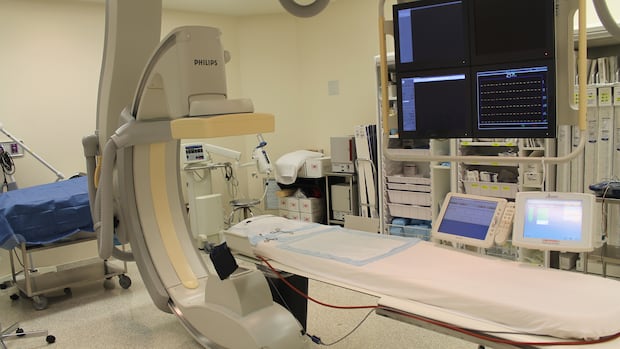
Surgeons in Toronto are preparing to perform remote robotic surgeries on patients in Sault Ste. Marie, utilizing advanced technology to address urgent medical needs as early as next year. This innovative approach aims to provide timely treatment for stroke patients, enabling the quick removal of brain clots without the lengthy transfer to Sudbury hospitals.
Revolutionizing Stroke Treatment
Dr. Mike Kutryk, the head of cardiology at Sault Area Hospital and affiliated with St. Michael’s Hospital in Toronto, is leading this groundbreaking initiative. He emphasized the critical nature of swift action during strokes, stating, “Every second is brain cells.” He noted that delays in treatment can result in severe consequences, including lasting brain damage or even death.
Currently, Sault Area Hospital handles about 18 stroke cases annually. Dr. Kutryk explained that hiring a full-time specialist for such a limited number of cases is impractical. Therefore, he is collaborating with Dr. Vitor Mendes Pereira, a robotics specialist at St. Michael’s, to establish a remote solution that could serve as a model for other regions.
The procedure involves threading a thin tube, known as a catheter, through an artery in the groin to the site of the clot in the brain. While Dr. Kutryk is skilled in using catheters for heart procedures, he relies on Dr. Pereira’s expertise in neurology and robotics for stroke treatment.
Innovative Technology and Its Benefits
This robotic surgery system will allow Dr. Pereira to guide the catheter remotely from Toronto, using a joystick connected to the internet. Dr. Kutryk explained, “Dr. Pereira will instruct the robot to pass the catheter up to the brain, deploy the capture device, and remove the blood clot as if he were present in the room.”
Dr. Kutryk highlighted the advantages of robotic systems, noting that they are less prone to human error. “All doctors have a little bit of jitter in their hands. Robots don’t have the same thing,” he said.
Ensuring a reliable internet connection has been a priority for this project. Dr. Kutryk noted that extensive testing has been conducted in partnership with Rogers Communications to guarantee sufficient speed and stability. He remarked, “We determined that the internet speeds here are remarkably fast, eliminating the need for a direct line.”
While remote robotic procedures have predominantly focused on diagnostic applications in Toronto, Dr. Kutryk is optimistic that similar technology can substantially enhance stroke care in Sault Ste. Marie. He emphasized that significant preparations are necessary before the first human procedures can occur.
In early 2024, the two hospitals will establish protocols for testing the system on dummies for six months, with hopes of conducting the first human surgery by the end of 2026.
Initially, the proposal faced skepticism from hospital administration. Dr. Kutryk recalled, “They said we don’t want the Sault area patients to be guinea pigs.” However, as the project evolved and the safety measures were clarified, support for the initiative grew.
The potential of remote robotic surgery represents a significant leap forward in medical technology, particularly for communities lacking immediate access to specialized care. Dr. Kutryk remains hopeful that this pioneering effort will lead to faster, life-saving interventions for patients in Sault Ste. Marie and beyond.

Meta Plans Major Layoffs as AI Costs Surge

Alberta’s Referendum Could Pave Way for U.S. Statehood

Minooka District 201 Plans Enhanced Bilingual Support for Students

Canmore Approves Multiple Development Permits for New Projects

Remembering Bradly Castillo Shearsmith: A Life of Friendship and Joy

BIS Urges Watchdogs to Integrate Synthetic Risk Transfers in Stress Tests

Teva Transforms: Shifting Focus from Generics to Branded Success

Apple Launches AirPods Max 2 with Enhanced Audio Features

Ontario Ends Funding for Seven Supervised Injection Sites

Toyoake City Proposes Daily Two-Hour Smartphone Use Limit

Pedestrian Fatally Injured in Esquimalt Collision on August 14

B.C. Review Reveals Urgent Need for Rare-Disease Drug Reforms

Dark Adventure Game “Bye Sweet Carole” Set for October Release

Konami Revives Iconic Metal Gear Solid Delta Ahead of Release

Victoria’s Pop-Up Shop Shines Light on B.C.’s Wolf Cull

Jimmy Lai’s Defense Challenges Charges Under National Security Law

Snapmaker U1 Color 3D Printer Redefines Speed and Sustainability

Apple Expands Self-Service Repair Program to Canada
-
 Science12 months ago
Toyoake City Proposes Daily Two-Hour Smartphone Use Limit
-
 Top Stories12 months ago
Pedestrian Fatally Injured in Esquimalt Collision on August 14
-
 Health12 months ago
B.C. Review Reveals Urgent Need for Rare-Disease Drug Reforms
-
 Technology12 months ago
Dark Adventure Game “Bye Sweet Carole” Set for October Release
-
 Technology12 months ago
Konami Revives Iconic Metal Gear Solid Delta Ahead of Release
-
 Lifestyle12 months ago
Victoria’s Pop-Up Shop Shines Light on B.C.’s Wolf Cull
-
 World12 months ago
Jimmy Lai’s Defense Challenges Charges Under National Security Law
-
 Technology12 months ago
Snapmaker U1 Color 3D Printer Redefines Speed and Sustainability
-
 Technology12 months ago
Apple Expands Self-Service Repair Program to Canada
-

 Technology12 months ago
AION Folding Knife: Redefining EDC Design with Premium Materials
-

 Technology12 months ago
Solve Today’s Wordle Challenge: Hints and Answer for August 19
-

 Business12 months ago
Gordon Murray Automotive Unveils S1 LM and Le Mans GTR at Monterey