
Science
UBC Researchers Achieve Breakthrough in Stem Cell Immunotherapy

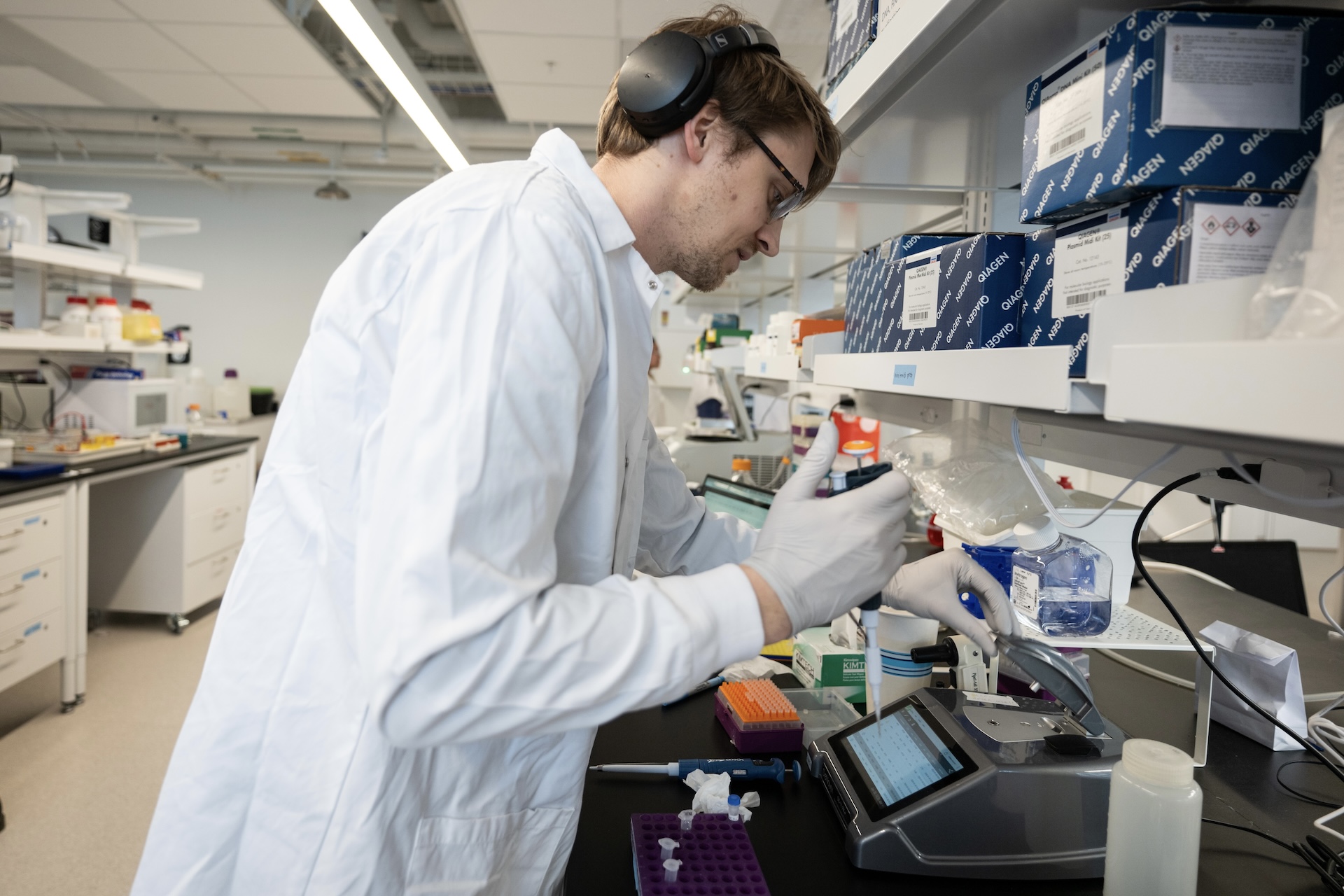
Researchers at the University of British Columbia have achieved a significant breakthrough in stem cell engineering by successfully producing human immune cells known as helper T cells from stem cells in a controlled laboratory environment. This discovery, published in the journal Cell Stem Cell, addresses a longstanding challenge that has hindered the development and manufacturing of effective cell therapies.
The ability to generate helper T cells reliably could transform the landscape of treatments for various conditions, including cancer, infectious diseases, and autoimmune disorders. “Engineered cell therapies are transforming modern medicine,” stated Dr. Peter Zandstra, co-senior author and director of the UBC School of Biomedical Engineering. He emphasized that this study offers a scalable method to produce multiple types of immune cells, making advanced therapies more accessible.
Addressing the Challenges of Living Drugs
In recent years, engineered cell therapies, particularly CAR-T treatments, have shown remarkable success in treating patients with previously untreatable cancers. These therapies involve reprogramming immune cells to identify and combat diseases. Despite their potential, the high costs and complex production processes have limited their availability. Currently, most treatments require the use of a patient’s own immune cells, extending the manufacturing timeline to weeks.
The research team aims to create off-the-shelf therapies that can be prepared in advance from renewable sources like stem cells. “This would make treatments more cost-effective and readily available when patients need them,” said Dr. Megan Levings, co-senior author and professor of surgery and biomedical engineering at UBC.
For effective cancer treatment, it is crucial to have both killer T cells, which directly attack infected or malignant cells, and helper T cells, which coordinate the immune response. While progress has been made in generating killer T cells, the production of helper T cells has remained elusive until now. “Helper T cells are essential for a strong and lasting immune response,” Dr. Levings noted. “Having both types maximizes the effectiveness of therapies.”
Breakthrough in Controlled Development
In their study, the UBC researchers tackled the challenge of producing helper T cells by manipulating biological signals during cell development. They identified that a signaling pathway called Notch plays a critical role in determining whether stem cells develop into helper or killer T cells. The timing and intensity of this signal were key factors; if Notch remains active for too long, it hinders the formation of helper T cells.
“By precisely tuning when and how much this signal is reduced, we were able to direct stem cells to become either helper or killer T cells,” explained Dr. Ross Jones, co-first author and research associate in the Zandstra Lab. The team conducted their experiments under controlled conditions that can be applied to real-world biomanufacturing, progressing toward viable therapies.
Remarkably, the lab-produced helper T cells displayed characteristics of mature immune cells, including a diverse array of immune receptors and the ability to differentiate into subtypes essential for immune function. “These cells look and act like genuine human helper T cells,” said Kevin Salim, a UBC PhD student involved in the research. This quality is crucial for their potential therapeutic applications.
The researchers assert that the ability to produce both helper and killer T cells, along with controlling their balance, will enhance the efficacy of future stem cell-based immune therapies. “This is a major step forward in developing scalable and affordable immune cell therapies,” Dr. Zandstra concluded. “This technology lays the groundwork for exploring how helper T cells can support cancer elimination and facilitate the creation of new cell types, such as regulatory T cells, for clinical use.”
As this research progresses, it holds promise for revolutionizing how cell therapies are manufactured and administered, potentially improving patient outcomes worldwide.

Meta Plans Major Layoffs as AI Costs Surge

Alberta’s Referendum Could Pave Way for U.S. Statehood

Minooka District 201 Plans Enhanced Bilingual Support for Students

Canmore Approves Multiple Development Permits for New Projects

Remembering Bradly Castillo Shearsmith: A Life of Friendship and Joy

BIS Urges Watchdogs to Integrate Synthetic Risk Transfers in Stress Tests

Teva Transforms: Shifting Focus from Generics to Branded Success

Apple Launches AirPods Max 2 with Enhanced Audio Features

Ontario Ends Funding for Seven Supervised Injection Sites

Toyoake City Proposes Daily Two-Hour Smartphone Use Limit

Pedestrian Fatally Injured in Esquimalt Collision on August 14

B.C. Review Reveals Urgent Need for Rare-Disease Drug Reforms

Dark Adventure Game “Bye Sweet Carole” Set for October Release

Konami Revives Iconic Metal Gear Solid Delta Ahead of Release

Victoria’s Pop-Up Shop Shines Light on B.C.’s Wolf Cull

Jimmy Lai’s Defense Challenges Charges Under National Security Law

Snapmaker U1 Color 3D Printer Redefines Speed and Sustainability

Apple Expands Self-Service Repair Program to Canada
-
 Science11 months ago
Toyoake City Proposes Daily Two-Hour Smartphone Use Limit
-
 Top Stories11 months ago
Pedestrian Fatally Injured in Esquimalt Collision on August 14
-
 Health11 months ago
B.C. Review Reveals Urgent Need for Rare-Disease Drug Reforms
-
 Technology11 months ago
Dark Adventure Game “Bye Sweet Carole” Set for October Release
-
 Technology11 months ago
Konami Revives Iconic Metal Gear Solid Delta Ahead of Release
-
 Lifestyle11 months ago
Victoria’s Pop-Up Shop Shines Light on B.C.’s Wolf Cull
-
 World11 months ago
Jimmy Lai’s Defense Challenges Charges Under National Security Law
-
 Technology11 months ago
Snapmaker U1 Color 3D Printer Redefines Speed and Sustainability
-
 Technology11 months ago
Apple Expands Self-Service Repair Program to Canada
-

 Technology11 months ago
AION Folding Knife: Redefining EDC Design with Premium Materials
-

 Technology11 months ago
Solve Today’s Wordle Challenge: Hints and Answer for August 19
-

 Business11 months ago
Gordon Murray Automotive Unveils S1 LM and Le Mans GTR at Monterey