
Science
UNBC Research Team Tackles Declining Wolf Population

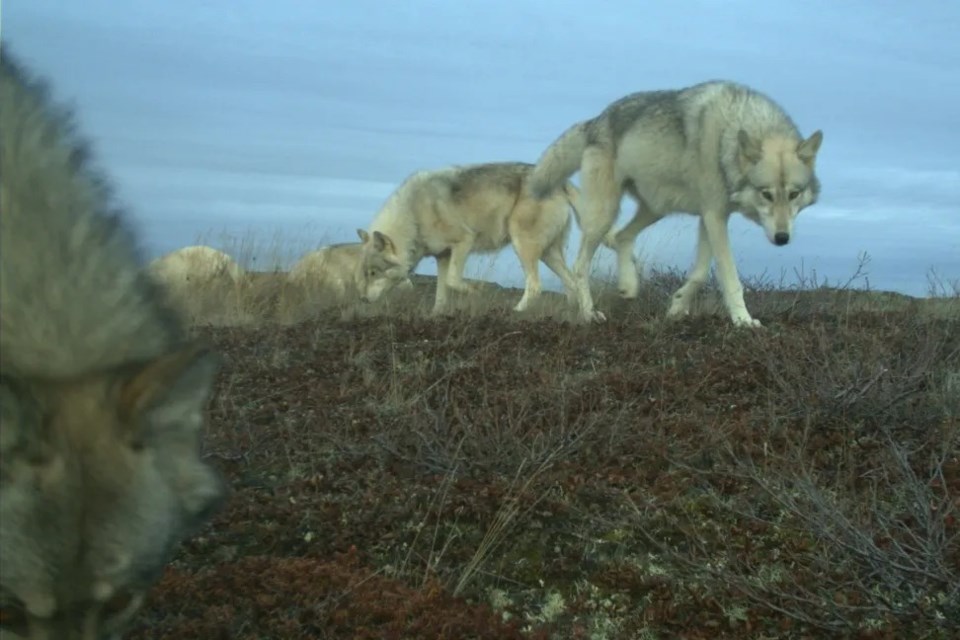
Researchers at the University of Northern British Columbia (UNBC) are launching a new project aimed at addressing the concerning decline in wolf populations across the region. Led by Jamie Gorrell, this initiative seeks to collaborate with local communities, government agencies, and academic partners to develop effective strategies for wildlife conservation.
The project, which officially commenced in early 2024, will focus on gathering data about the current status of wolf populations in British Columbia. This research is particularly crucial as environmental changes and human activities continue to impact the natural habitats of these predators.
Collaborative Efforts for Effective Conservation
Gorrell emphasizes the importance of involving Indigenous communities in this research. Their traditional ecological knowledge will provide invaluable insights into wolf behavior and habitat usage, enhancing the overall understanding of these animals. The research team will conduct field studies and engage the community in discussions to gather diverse perspectives on conservation practices.
The decline of wolf populations has raised alarms among ecologists and conservationists. According to recent studies, factors contributing to this trend include habitat loss, climate change, and conflicts with livestock. By focusing on these issues, Gorrell and his team aim to identify potential solutions that can be implemented in collaboration with local stakeholders.
Future Implications for Ecosystem Balance
The research will not only aim to protect wolf populations but also evaluate their role within the broader ecosystem. Wolves play a critical role in maintaining the balance of various species, and their decline can lead to unforeseen consequences for biodiversity.
As part of the project, Gorrell’s team will present their findings to government officials and conservation organizations. The goal is to inform policy decisions that could positively impact both wildlife and local communities.
This initiative reflects a growing recognition of the need for integrated approaches to wildlife conservation. By combining scientific research with community insights, the UNBC project stands to make significant contributions to understanding and preserving wolf populations in Canada and beyond.
Through this collaboration, the hope is to foster sustainable coexistence between humans and wildlife, ensuring that future generations can enjoy the presence of these majestic animals in their natural habitats.

Meta Plans Major Layoffs as AI Costs Surge

Alberta’s Referendum Could Pave Way for U.S. Statehood

Minooka District 201 Plans Enhanced Bilingual Support for Students

Canmore Approves Multiple Development Permits for New Projects

Remembering Bradly Castillo Shearsmith: A Life of Friendship and Joy

BIS Urges Watchdogs to Integrate Synthetic Risk Transfers in Stress Tests

Teva Transforms: Shifting Focus from Generics to Branded Success

Apple Launches AirPods Max 2 with Enhanced Audio Features

Ontario Ends Funding for Seven Supervised Injection Sites

Toyoake City Proposes Daily Two-Hour Smartphone Use Limit

Pedestrian Fatally Injured in Esquimalt Collision on August 14

B.C. Review Reveals Urgent Need for Rare-Disease Drug Reforms

Dark Adventure Game “Bye Sweet Carole” Set for October Release

Konami Revives Iconic Metal Gear Solid Delta Ahead of Release

Victoria’s Pop-Up Shop Shines Light on B.C.’s Wolf Cull

Jimmy Lai’s Defense Challenges Charges Under National Security Law

Snapmaker U1 Color 3D Printer Redefines Speed and Sustainability

Apple Expands Self-Service Repair Program to Canada
-
 Science11 months ago
Toyoake City Proposes Daily Two-Hour Smartphone Use Limit
-
 Top Stories11 months ago
Pedestrian Fatally Injured in Esquimalt Collision on August 14
-
 Health11 months ago
B.C. Review Reveals Urgent Need for Rare-Disease Drug Reforms
-
 Technology11 months ago
Dark Adventure Game “Bye Sweet Carole” Set for October Release
-
 Technology11 months ago
Konami Revives Iconic Metal Gear Solid Delta Ahead of Release
-
 Lifestyle11 months ago
Victoria’s Pop-Up Shop Shines Light on B.C.’s Wolf Cull
-
 World11 months ago
Jimmy Lai’s Defense Challenges Charges Under National Security Law
-
 Technology11 months ago
Snapmaker U1 Color 3D Printer Redefines Speed and Sustainability
-
 Technology11 months ago
Apple Expands Self-Service Repair Program to Canada
-

 Technology11 months ago
AION Folding Knife: Redefining EDC Design with Premium Materials
-

 Technology11 months ago
Solve Today’s Wordle Challenge: Hints and Answer for August 19
-

 Business11 months ago
Gordon Murray Automotive Unveils S1 LM and Le Mans GTR at Monterey