
Technology
Driving Frustrations: The Top 12 Car Pet Peeves of 2025

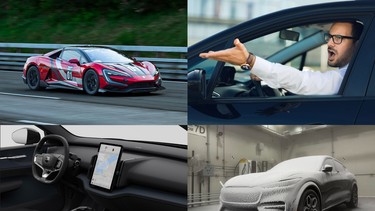
Automotive enthusiasts at Driving.ca have compiled a list of their top twelve car-related pet peeves for 2025. This collection not only highlights the frustrations faced by drivers today but also serves as a candid reflection on evolving trends in the automotive industry. From increasingly complex touchscreen controls to questionable driving habits, these grievances resonate with many who share a passion for vehicles.
Touchscreen Overload and Driver Distraction
One of the most significant concerns raised is the trend towards consolidating vehicle controls into central touchscreen interfaces. According to automotive writer Benjamin Hunting, manufacturers like Mini and Volvo are leading this design shift, which he describes as “mania-inducing.” In particular, the Volvo EX30 has drawn criticism for forcing drivers to navigate through multiple menus to access basic functions such as climate control and navigation settings. This design choice diverts attention away from the road, creating potential safety hazards.
Hunting notes that the lack of physical controls can be particularly dangerous in low-visibility conditions, where drivers must look away from the road to engage fog light functions, which are also embedded within the infotainment system.
Performance vs. Innovation in Electric Vehicles
Another frustration highlighted is the growing horsepower competition among electric vehicles (EVs). According to Elle Alder, the pursuit of extreme power in hyper-EVs like the BYD Yangwang U9 has overshadowed the thrill of driving itself. Alder argues that while the numbers may impress, the lack of innovative features beyond sheer power makes these vehicles less engaging.
The automotive landscape has seen a dramatic surge in horsepower figures over recent decades, but Alder suggests that the exhilarating connection between driver and machine is being lost in the race for higher stats.
Consumer Annoyances and Industry Concerns
Several contributors expressed frustrations over features that should be standard but come with premium prices from luxury brands. Auto journalist Renita Naraine emphasizes that charging for basic amenities such as heated seats is becoming increasingly common, particularly among high-end manufacturers.
Another point of contention is the integration of smartphones into vehicle functionality. Jil McIntosh notes the trend where automakers expect drivers to rely on their phones for essential functions, which raises concerns about accessibility, especially in areas with poor cell service.
Additionally, David Booth criticized the Canadian government’s response to pressures from the Canadian Vehicle Manufacturing Association (CVMA). He argues that the government should demand transparency regarding what manufacturers are offering in return for their demands, such as maintaining tariffs on Chinese EVs.
Consumer protection issues also surfaced, with Lorraine Sommerfeld highlighting the lack of robust lemon laws in Canada. She asserts that the current legislative framework inadequately protects buyers, leaving many feeling vulnerable after purchasing high-cost vehicles that fail to perform as expected.
Driving Etiquette and New Trends
On the road, various contributors lamented the decline of common courtesy among drivers. Graeme Fletcher pointed out poor parking habits, where drivers park too close to others, making it difficult to enter or exit vehicles. He also expressed frustration with the rising number of left-lane campers—drivers who occupy the passing lane without actively overtaking.
Another emerging annoyance is the trend of subscription services for vehicle features, which Sami Haj-Assaad argues creates unnecessary financial burdens for consumers. The expectation to subscribe for basic functions like heated seats and lane-keeping assistance is viewed as excessive, especially given the increasing costs of new vehicles.
As the automotive industry continues to evolve, these pet peeves reflect a broader dialogue about the direction of vehicle design, technology, and consumer rights. As enthusiasts share their frustrations, it becomes clear that while innovation is welcomed, drivers also seek functionality and consideration in their automotive experiences.
For those who resonate with these grievances, the comments section is open for further discussion, inviting others to share their own thoughts on the evolving landscape of car culture.

Meta Plans Major Layoffs as AI Costs Surge

Alberta’s Referendum Could Pave Way for U.S. Statehood

Minooka District 201 Plans Enhanced Bilingual Support for Students

Canmore Approves Multiple Development Permits for New Projects

Remembering Bradly Castillo Shearsmith: A Life of Friendship and Joy

BIS Urges Watchdogs to Integrate Synthetic Risk Transfers in Stress Tests

Teva Transforms: Shifting Focus from Generics to Branded Success

Apple Launches AirPods Max 2 with Enhanced Audio Features

Ontario Ends Funding for Seven Supervised Injection Sites

Toyoake City Proposes Daily Two-Hour Smartphone Use Limit

Pedestrian Fatally Injured in Esquimalt Collision on August 14

B.C. Review Reveals Urgent Need for Rare-Disease Drug Reforms

Dark Adventure Game “Bye Sweet Carole” Set for October Release

Konami Revives Iconic Metal Gear Solid Delta Ahead of Release

Victoria’s Pop-Up Shop Shines Light on B.C.’s Wolf Cull

Jimmy Lai’s Defense Challenges Charges Under National Security Law

Snapmaker U1 Color 3D Printer Redefines Speed and Sustainability

Apple Expands Self-Service Repair Program to Canada
-
 Science1 year ago
Toyoake City Proposes Daily Two-Hour Smartphone Use Limit
-
 Top Stories1 year ago
Pedestrian Fatally Injured in Esquimalt Collision on August 14
-
 Health1 year ago
B.C. Review Reveals Urgent Need for Rare-Disease Drug Reforms
-
 Technology1 year ago
Dark Adventure Game “Bye Sweet Carole” Set for October Release
-
 Technology1 year ago
Konami Revives Iconic Metal Gear Solid Delta Ahead of Release
-
 Lifestyle1 year ago
Victoria’s Pop-Up Shop Shines Light on B.C.’s Wolf Cull
-
 World1 year ago
Jimmy Lai’s Defense Challenges Charges Under National Security Law
-
 Technology1 year ago
Snapmaker U1 Color 3D Printer Redefines Speed and Sustainability
-
 Technology1 year ago
Apple Expands Self-Service Repair Program to Canada
-

 Technology1 year ago
AION Folding Knife: Redefining EDC Design with Premium Materials
-

 Technology1 year ago
Solve Today’s Wordle Challenge: Hints and Answer for August 19
-

 Business1 year ago
Gordon Murray Automotive Unveils S1 LM and Le Mans GTR at Monterey