
Technology
Investment Surge in Humanoid Robotics Raises Bubble Concerns

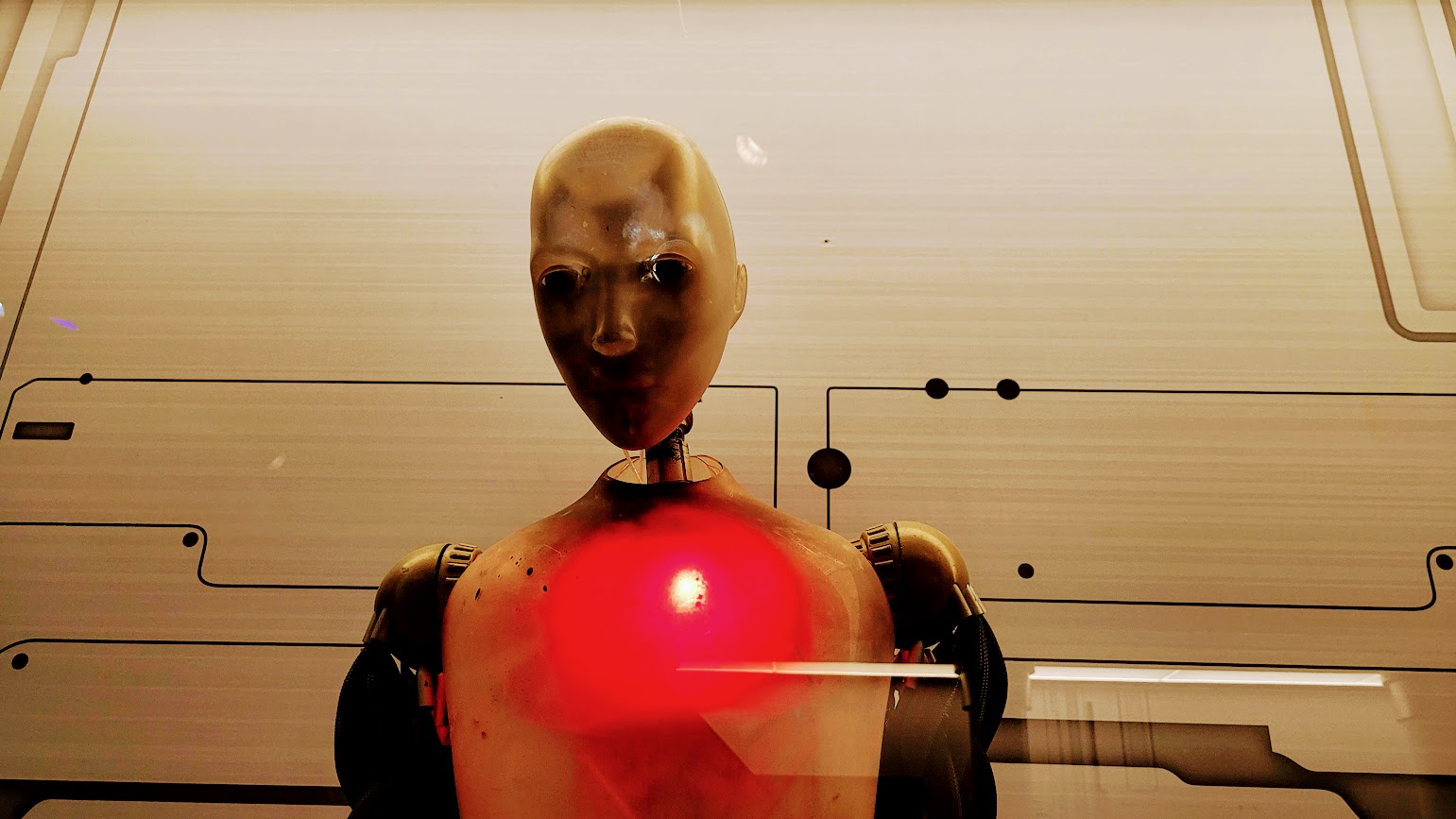
Investor interest in humanoid robotics is experiencing rapid growth, fueled by the broader artificial intelligence (AI) market. Recent data reveals that humanoid robotics is attracting significant attention, though experts caution that this surge may be more hype than reality, raising concerns about a potential bubble in the sector.
According to reports from KPMG and PitchBook, AI investment accounted for more than half of all funding this year. Data from CB Insights indicates that investors are increasingly focusing on industrial humanoid robotics, which recorded 17 deals in the last quarter, the highest of any category within AI. The growing enthusiasm for humanoid robots is largely driven by the capabilities that AI provides, transforming these machines into commercially viable options.
Yet, some venture capitalists warn that many startups in this space are making ambitious promises without sufficient commercial evidence. Daiva Rakauskaitė, a partner at Aneli Capital, which manages a €35 million fund for early-stage startups in Central and Eastern Europe, highlights parallels between the current investment climate and the dotcom bubble of the early 2000s. She predicts a potential AI bubble burst within the next two to three years, stating, “Many AI startups that can’t yet generate revenue will fail, but we’re reaching a consensus on that in the market.”
Rakauskaitė emphasizes the need to differentiate between humanoid robotics and other types of robotics, noting that while industrial robots generate revenue and deliver measurable results, humanoid robots have yet to prove their commercial value. Companies globally are showcasing prototypes capable of various tasks, from running to boxing, in an effort to attract both users and investors. However, Rakauskaitė points out that practical commercial applications remain scarce.
Challenges also persist for industrial humanoid robotics. Issues related to inference (real-time decision-making), dexterity (physical handling), reliability, and cost restrict initial use cases primarily to factories and warehouses with predictable tasks. Rakauskaitė urges investors to remain grounded and prioritize a revenue-first philosophy, where real financial returns take precedence over aggressive growth strategies.
“Investments in robotics and AI are crucial for the future development of humanity,” she explains. “But investors should remain disciplined and back companies that have realistic goals based on economics, not hype.” Startups should focus on generating early revenue through licensing and partnerships, with a clear monetization model in mind.
Despite the signs of a potential bubble in humanoid robotics, Rakauskaitė expresses confidence in the broader robotics sector. She notes that advancements in AI and reductions in hardware costs are facilitating real-world deployment. The Central and Eastern European region, which is strategically located near Germany, Europe’s largest industrial robotics market, offers significant advantages for scaling.
“Many hype-driven investors pull back once the excitement fades,” Rakauskaitė observes. “Yet to create real innovators, VCs must support them throughout their journey. That’s exactly what we are going to do.”
The investment landscape for humanoid robotics remains dynamic, with a critical eye on the balance between innovation and commercial viability. As the sector evolves, the focus on sustainable growth and practical applications will likely determine its future trajectory.

Meta Plans Major Layoffs as AI Costs Surge

Alberta’s Referendum Could Pave Way for U.S. Statehood

Minooka District 201 Plans Enhanced Bilingual Support for Students

Canmore Approves Multiple Development Permits for New Projects

Remembering Bradly Castillo Shearsmith: A Life of Friendship and Joy

BIS Urges Watchdogs to Integrate Synthetic Risk Transfers in Stress Tests

Teva Transforms: Shifting Focus from Generics to Branded Success

Apple Launches AirPods Max 2 with Enhanced Audio Features

Ontario Ends Funding for Seven Supervised Injection Sites

Toyoake City Proposes Daily Two-Hour Smartphone Use Limit

Pedestrian Fatally Injured in Esquimalt Collision on August 14

B.C. Review Reveals Urgent Need for Rare-Disease Drug Reforms

Dark Adventure Game “Bye Sweet Carole” Set for October Release

Konami Revives Iconic Metal Gear Solid Delta Ahead of Release

Victoria’s Pop-Up Shop Shines Light on B.C.’s Wolf Cull

Jimmy Lai’s Defense Challenges Charges Under National Security Law

Snapmaker U1 Color 3D Printer Redefines Speed and Sustainability

Apple Expands Self-Service Repair Program to Canada
-
 Science1 year ago
Toyoake City Proposes Daily Two-Hour Smartphone Use Limit
-
 Top Stories1 year ago
Pedestrian Fatally Injured in Esquimalt Collision on August 14
-
 Health1 year ago
B.C. Review Reveals Urgent Need for Rare-Disease Drug Reforms
-
 Technology1 year ago
Dark Adventure Game “Bye Sweet Carole” Set for October Release
-
 Technology1 year ago
Konami Revives Iconic Metal Gear Solid Delta Ahead of Release
-
 Lifestyle1 year ago
Victoria’s Pop-Up Shop Shines Light on B.C.’s Wolf Cull
-
 World1 year ago
Jimmy Lai’s Defense Challenges Charges Under National Security Law
-
 Technology1 year ago
Snapmaker U1 Color 3D Printer Redefines Speed and Sustainability
-
 Technology1 year ago
Apple Expands Self-Service Repair Program to Canada
-

 Technology1 year ago
AION Folding Knife: Redefining EDC Design with Premium Materials
-

 Technology1 year ago
Solve Today’s Wordle Challenge: Hints and Answer for August 19
-

 Business1 year ago
Gordon Murray Automotive Unveils S1 LM and Le Mans GTR at Monterey