
Technology
Samsung Launches Galaxy S26 Ultra: A Comparison with S24 Ultra

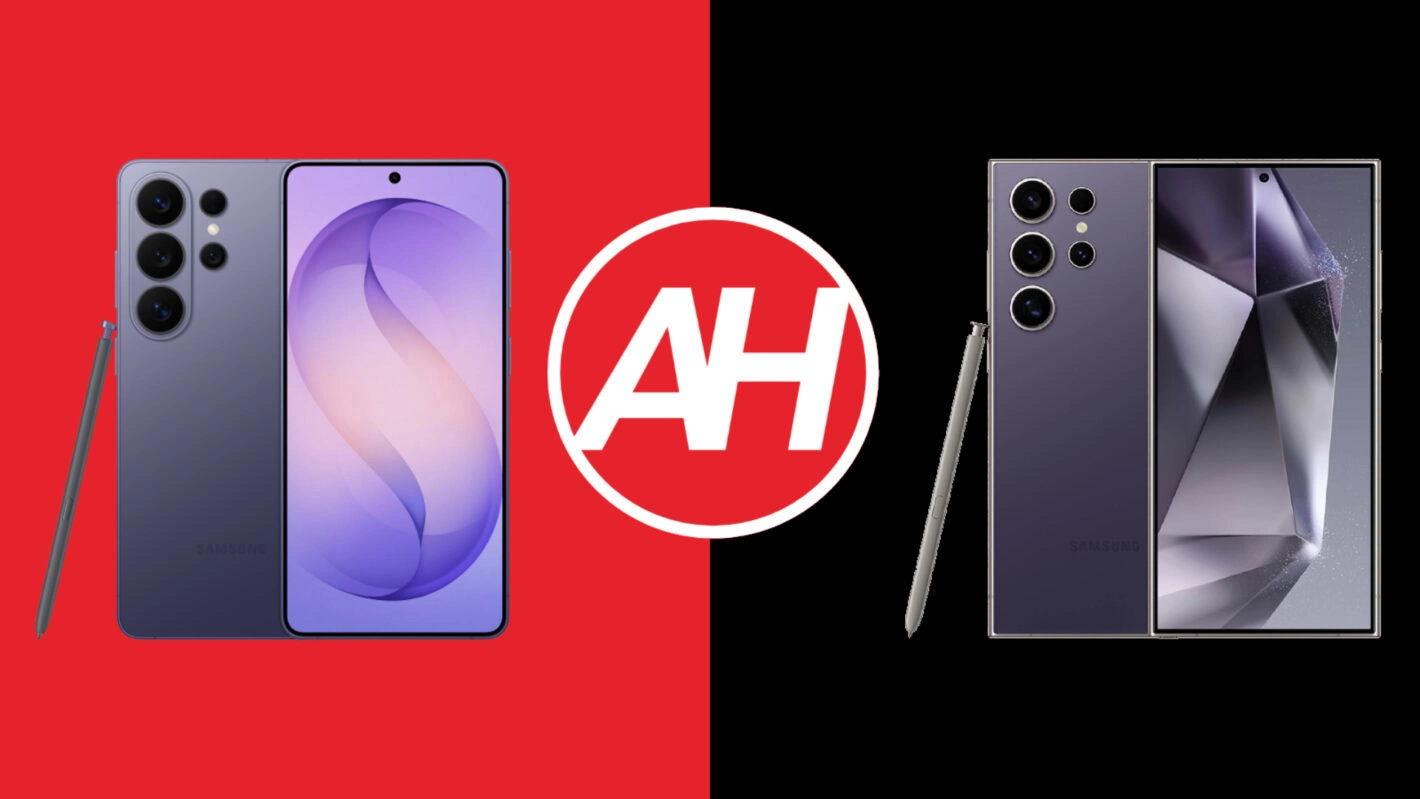
The recently unveiled Samsung Galaxy S26 Ultra has generated significant buzz as it joins two other models in the Galaxy S26 lineup. This article compares the new flagship with its predecessor, the Galaxy S24 Ultra, to highlight the key differences and advancements that Samsung has made in the latest iteration of its smartphone series.
Specifications Overview
At the core of any smartphone comparison are the specifications. The Galaxy S26 Ultra features a 6.9-inch Dynamic AMOLED 2X display, while the Galaxy S24 Ultra has a slightly smaller 6.8-inch Dynamic LTPO AMOLED 2X panel. Both models support a refresh rate of 1-120Hz and a resolution of 3120 x 1440 pixels. The S26 Ultra is powered by the Qualcomm Snapdragon 8 Elite Gen 5 chipset, offering configurations of 12GB or 16GB of RAM, whereas the S24 Ultra runs on the Snapdragon 8 Gen 3 with 12GB of RAM.
In terms of camera technology, both devices boast a 200-megapixel main camera, but the S26 Ultra has a wider f/1.4 aperture compared to the f/1.7 aperture in the S24 Ultra. This difference suggests potential improvements in low-light photography for the newer model.
Design Differences
Visually, the Galaxy S26 Ultra and S24 Ultra share some design elements but also have notable differences. The S26 Ultra features a flat aluminum frame, while the S24 Ultra has a titanium frame that is flat at the top and bottom but slightly curved on the sides. Both devices have a centered camera hole at the top of their displays, but the S26 Ultra is slightly taller, narrower, and lighter, weighing in at 214 grams compared to the S24 Ultra‘s 232 grams.
Both smartphones are equipped with IP68 certification for water and dust resistance and include an S Pen silo at the bottom, underscoring Samsung’s commitment to productivity features in its flagship devices.
Display and Performance
The display technology in both models is impressive. The S26 Ultra‘s 6.9-inch panel achieves a peak brightness of up to 2,600 nits, supporting HDR10+ content, making it an excellent choice for outdoor visibility. The S24 Ultra, while slightly less bright, still delivers a high-quality viewing experience with a peak brightness that is comparable.
In terms of performance, the S26 Ultra benefits from the advanced Snapdragon 8 Elite Gen 5 chipset, which promises enhanced efficiency and speed. Although the S24 Ultra performs well for most tasks and gaming, the newer model is expected to provide a more fluid experience, particularly in demanding applications.
Battery and Charging Capabilities
Battery life remains a crucial aspect for smartphone users. Both the S26 Ultra and S24 Ultra feature a 5,000mAh battery, but the newer model supports faster charging, offering 60W wired and 25W wireless charging compared to the S24 Ultra‘s 45W wired and 15W wireless capabilities. While actual battery performance will be evaluated in upcoming tests, initial indications suggest that the S26 Ultra could deliver superior longevity.
Camera Enhancements
Camera performance is often a decisive factor for consumers. The S26 Ultra maintains the same sensor setup as the S24 Ultra, featuring a 200-megapixel main camera and a 50-megapixel periscope telephoto camera. However, the wider apertures in the new model may contribute to brighter and more detailed images. Users can expect enhancements in low-light conditions, although comprehensive camera testing will be necessary to assess these improvements fully.
Audio Features
Both smartphones are equipped with high-quality stereo speakers, providing excellent sound output. The S26 Ultra introduces Bluetooth 6.0, which allows for better connectivity options, while the S24 Ultra supports Bluetooth 5.3. Neither model includes a headphone jack, but users can connect headphones via the Type-C port or utilize wireless options.
With the Galaxy S26 Ultra now officially launched, it presents a compelling upgrade over the S24 Ultra in several key areas, including performance, battery charging, and camera technology. As consumers consider their next smartphone, this comparison highlights the advancements Samsung continues to make in its flagship offerings. Further reviews and user feedback will provide additional insights into how these devices perform in real-world scenarios.

Meta Plans Major Layoffs as AI Costs Surge

Alberta’s Referendum Could Pave Way for U.S. Statehood

Minooka District 201 Plans Enhanced Bilingual Support for Students

Canmore Approves Multiple Development Permits for New Projects

Remembering Bradly Castillo Shearsmith: A Life of Friendship and Joy

BIS Urges Watchdogs to Integrate Synthetic Risk Transfers in Stress Tests

Teva Transforms: Shifting Focus from Generics to Branded Success

Apple Launches AirPods Max 2 with Enhanced Audio Features

Ontario Ends Funding for Seven Supervised Injection Sites

Toyoake City Proposes Daily Two-Hour Smartphone Use Limit

Pedestrian Fatally Injured in Esquimalt Collision on August 14

B.C. Review Reveals Urgent Need for Rare-Disease Drug Reforms

Dark Adventure Game “Bye Sweet Carole” Set for October Release

Konami Revives Iconic Metal Gear Solid Delta Ahead of Release

Victoria’s Pop-Up Shop Shines Light on B.C.’s Wolf Cull

Jimmy Lai’s Defense Challenges Charges Under National Security Law

Snapmaker U1 Color 3D Printer Redefines Speed and Sustainability

Apple Expands Self-Service Repair Program to Canada
-
 Science11 months ago
Toyoake City Proposes Daily Two-Hour Smartphone Use Limit
-
 Top Stories11 months ago
Pedestrian Fatally Injured in Esquimalt Collision on August 14
-
 Health11 months ago
B.C. Review Reveals Urgent Need for Rare-Disease Drug Reforms
-
 Technology11 months ago
Dark Adventure Game “Bye Sweet Carole” Set for October Release
-
 Technology11 months ago
Konami Revives Iconic Metal Gear Solid Delta Ahead of Release
-
 Lifestyle11 months ago
Victoria’s Pop-Up Shop Shines Light on B.C.’s Wolf Cull
-
 World11 months ago
Jimmy Lai’s Defense Challenges Charges Under National Security Law
-
 Technology11 months ago
Snapmaker U1 Color 3D Printer Redefines Speed and Sustainability
-
 Technology11 months ago
Apple Expands Self-Service Repair Program to Canada
-

 Technology11 months ago
AION Folding Knife: Redefining EDC Design with Premium Materials
-

 Technology11 months ago
Solve Today’s Wordle Challenge: Hints and Answer for August 19
-

 Business11 months ago
Gordon Murray Automotive Unveils S1 LM and Le Mans GTR at Monterey