
Top Stories
German Factory Orders Surge Amid Defence Spending Boost

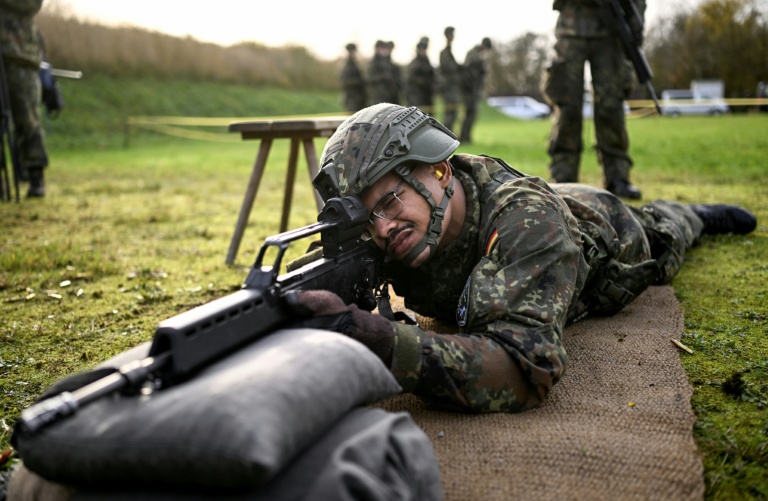
Factory orders in Germany recorded a surprising increase in November, driven by heightened demand for defence equipment as Europe accelerates its rearmament efforts. According to preliminary data from the statistics agency Destatis, new orders rose by 5.6 percent month-on-month, marking the third consecutive monthly increase. Analysts from FactSet had predicted a decline of 1.3 percent for the same period, making this uptick particularly noteworthy.
The ongoing conflict stemming from Russia’s invasion of Ukraine has prompted Germany, along with other European nations, to bolster their military capabilities. Chancellor Friedrich Merz has committed to investing hundreds of billions of euros in defence, a move that has significantly influenced recent demand for military-related products. The economy ministry noted that “the trend of increasing demand from Germany and the eurozone is continuing,” reinforcing the positive outlook for the sector.
Impact of Defence Orders on Economic Outlook
This increase in orders offers a glimmer of hope for Germany’s economy, which has faced prolonged challenges including a manufacturing slump, soaring energy costs, and weak demand in crucial export markets. Jens-Oliver Niklasch, an analyst at LBBW Bank, characterized the rise in orders as “a real sign of a possible turnaround in the economy.” He cautioned, however, that while heightened defence spending may not lead to sustained growth, it is encouraging to observe “finally a sign of life from industry.”
November’s figures were significantly bolstered by large-scale orders for transport equipment, which encompasses military vehicles, aircraft, ships, and trains. Destatis reported that sectors outside of defence also experienced substantial gains, particularly in electrical and IT equipment, as well as machine tools. Domestic orders surged by 6.5 percent, while foreign orders saw an increase of nearly 5 percent, with demand from the euro area rising by over 8 percent.
Challenges Ahead for German Exports
Despite these positive indicators, the economy ministry expressed caution regarding the outlook for overseas orders. Since early 2025, demand from several international markets has weakened due to ongoing trade and geopolitical uncertainties. This trend is expected to persist in the near future. The imposition of tariffs by the United States has particularly impacted German companies, as the US is Germany’s largest export market.
The German government is projecting a modest growth rate of 0.2 percent for 2025, anticipating that the economy will begin to gain momentum later in the year. While the recent increase in factory orders shines a light on potential recovery, the broader economic landscape remains complex and fraught with challenges.

Meta Plans Major Layoffs as AI Costs Surge

Alberta’s Referendum Could Pave Way for U.S. Statehood

Minooka District 201 Plans Enhanced Bilingual Support for Students

Canmore Approves Multiple Development Permits for New Projects

Remembering Bradly Castillo Shearsmith: A Life of Friendship and Joy

BIS Urges Watchdogs to Integrate Synthetic Risk Transfers in Stress Tests

Teva Transforms: Shifting Focus from Generics to Branded Success

Apple Launches AirPods Max 2 with Enhanced Audio Features

Ontario Ends Funding for Seven Supervised Injection Sites

Toyoake City Proposes Daily Two-Hour Smartphone Use Limit

Pedestrian Fatally Injured in Esquimalt Collision on August 14

B.C. Review Reveals Urgent Need for Rare-Disease Drug Reforms

Dark Adventure Game “Bye Sweet Carole” Set for October Release

Konami Revives Iconic Metal Gear Solid Delta Ahead of Release

Victoria’s Pop-Up Shop Shines Light on B.C.’s Wolf Cull

Jimmy Lai’s Defense Challenges Charges Under National Security Law

Snapmaker U1 Color 3D Printer Redefines Speed and Sustainability

Apple Expands Self-Service Repair Program to Canada
-
 Science11 months ago
Toyoake City Proposes Daily Two-Hour Smartphone Use Limit
-
 Top Stories11 months ago
Pedestrian Fatally Injured in Esquimalt Collision on August 14
-
 Health11 months ago
B.C. Review Reveals Urgent Need for Rare-Disease Drug Reforms
-
 Technology11 months ago
Dark Adventure Game “Bye Sweet Carole” Set for October Release
-
 Technology11 months ago
Konami Revives Iconic Metal Gear Solid Delta Ahead of Release
-
 Lifestyle11 months ago
Victoria’s Pop-Up Shop Shines Light on B.C.’s Wolf Cull
-
 World11 months ago
Jimmy Lai’s Defense Challenges Charges Under National Security Law
-
 Technology11 months ago
Snapmaker U1 Color 3D Printer Redefines Speed and Sustainability
-
 Technology11 months ago
Apple Expands Self-Service Repair Program to Canada
-

 Technology11 months ago
AION Folding Knife: Redefining EDC Design with Premium Materials
-

 Technology11 months ago
Solve Today’s Wordle Challenge: Hints and Answer for August 19
-

 Business11 months ago
Gordon Murray Automotive Unveils S1 LM and Le Mans GTR at Monterey