
Top Stories
Labour’s Tax Policies Spark Pub Backlash, Prompt U-Turn

Labour politicians have been banned from The Old Thatch pub in Wimborne, Dorset, since December, igniting a national backlash from the pub industry against Labour’s tax policies. This move follows a series of financial pressures that have severely impacted British pubs, including the aftermath of Covid lockdowns, rising energy costs, and significant increases in the minimum wage and national insurance payroll tax.
The situation escalated when the government reformed business rates—a levy on commercial properties that funds local services. Ending Covid-era discounts resulted in higher bills for pub owners, contradicting Labour’s assurances to lower taxes for the sector. Frustrated by these changes, pub owner Andy Lennox initiated a nationwide campaign, leading publicans to bar Labour MPs from their establishments.
The government’s response came amid mounting pressure, with the Treasury expected to announce a support package for pubs that includes assistance with licensing, reduction in red tape, and tax bill cuts. “We’re now being listened to because we’ve actually hurt them,” Lennox remarked, highlighting the significant impact of the pub industry on local communities and politics.
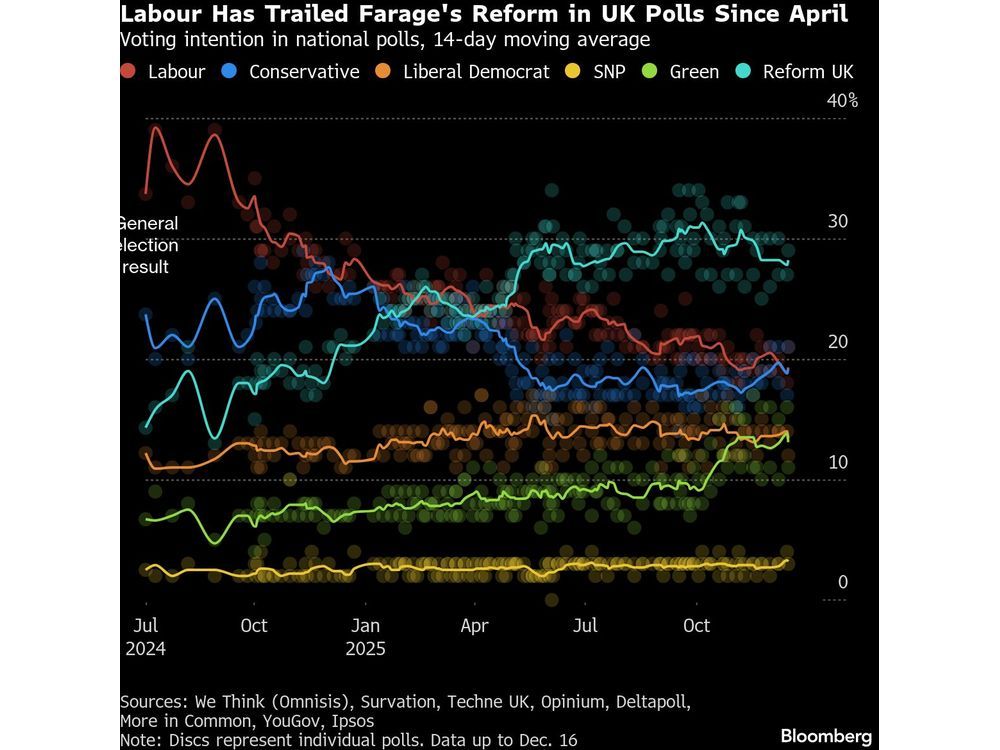
The government’s quick reversal on the issue points to its vulnerability, particularly as its popularity has plummeted, trailing behind Nigel Farage‘s populist right-wing Reform UK in the polls. According to Luke Tryl, executive director of More in Common UK, pubs are a potent political battleground. He stated, “When you think about constituencies that are able to attract popular public support, pubs are right up there.”
One of the main issues contributing to the current crisis is the business rates system, which is set to generate £37 billion (approximately $49.6 billion) for the Treasury in the next financial year, with projections to rise to £42 billion by 2030. The latest review of commercial premises, reflecting the lower values during Covid-19, has resulted in a substantial increase in business rates, which UK Hospitality reports will rise by an average of 76% over the next three years for pubs.
The financial strain is compounded by rising infrastructure costs, taxes, and wages, alongside structural changes such as Brexit, which has limited access to affordable EU labor. The number of pubs in Britain has plummeted from about 60,000 at the beginning of the century to around 45,000 today, according to the British Beer and Pub Association.
For Phil Thorley, owner of Thorley Taverns in Kent, the increases in business rates represent an existential threat. “It is effectively a tsunami of things which are hitting us,” he stated. Similarly, Julian Apperley, who has operated The Hare in Tower Hamlets for 25 years, expressed concern that the latest tax hike may force him to sell. “I had a really good Christmas, but I look at my accounts: 20 grand in the overdraft,” he noted, emphasizing the emotional connection his pub has fostered within the community.
The swift and aggressive industry reaction has included bans on Labour MPs, with notable figures such as TV presenter Jeremy Clarkson and pop icon Rick Astley also speaking out. The Chancellor, Rachel Reeves, was banned from her local pub, the Marsh Inn in Pudsey, reflecting the discontent towards Labour’s policies.
While the government has yet to disclose specific measures to support pubs, shares in pub operators like Marston’s Plc and JD Wetherspoon Plc have seen an uptick in response to the anticipated support package. However, the broader hospitality sector—comprising nightclubs, hotels, and high street shops—is also calling for similar relief on tax bills. Sacha Lord, chair of the Night Time Industries Association, has urged the Chancellor to extend support across the board, stating, “It would be totally unfair to help one part of the sector, whilst leaving another part high and dry.”
The political implications of Labour’s U-turn have sparked renewed scrutiny of Keir Starmer and Rachel Reeves‘ ability to manage policy details effectively. This reversal follows a series of damaging climbdowns, including the scrapping of winter fuel payments for pensioners and welfare reforms. The rapid nature of the U-turn also underscores Starmer’s susceptibility to criticism from within his own party, particularly as speculation about potential leadership challenges grows.
Despite holding a commanding majority in the House of Commons, Starmer’s leadership faces scrutiny ahead of local elections in May, where Labour is predicted to face significant losses. Scarlett Maguire, director at pollster Merlin Strategy, remarked that “U-turns are some of the most damaging things for Keir Starmer’s brand because it gets to the heart of what people don’t like about him,” suggesting that trust issues may hinder his political future.
As the situation continues to develop, the pub industry remains a critical player in shaping the political landscape, highlighting the importance of addressing the financial challenges it faces in a rapidly changing environment.

Meta Plans Major Layoffs as AI Costs Surge

Alberta’s Referendum Could Pave Way for U.S. Statehood

Minooka District 201 Plans Enhanced Bilingual Support for Students

Canmore Approves Multiple Development Permits for New Projects

Remembering Bradly Castillo Shearsmith: A Life of Friendship and Joy

BIS Urges Watchdogs to Integrate Synthetic Risk Transfers in Stress Tests

Teva Transforms: Shifting Focus from Generics to Branded Success

Apple Launches AirPods Max 2 with Enhanced Audio Features

Ontario Ends Funding for Seven Supervised Injection Sites

Toyoake City Proposes Daily Two-Hour Smartphone Use Limit

Pedestrian Fatally Injured in Esquimalt Collision on August 14

B.C. Review Reveals Urgent Need for Rare-Disease Drug Reforms

Dark Adventure Game “Bye Sweet Carole” Set for October Release

Konami Revives Iconic Metal Gear Solid Delta Ahead of Release

Victoria’s Pop-Up Shop Shines Light on B.C.’s Wolf Cull

Jimmy Lai’s Defense Challenges Charges Under National Security Law

Snapmaker U1 Color 3D Printer Redefines Speed and Sustainability

Apple Expands Self-Service Repair Program to Canada
-
 Science12 months ago
Toyoake City Proposes Daily Two-Hour Smartphone Use Limit
-
 Top Stories12 months ago
Pedestrian Fatally Injured in Esquimalt Collision on August 14
-
 Health12 months ago
B.C. Review Reveals Urgent Need for Rare-Disease Drug Reforms
-
 Technology12 months ago
Dark Adventure Game “Bye Sweet Carole” Set for October Release
-
 Technology12 months ago
Konami Revives Iconic Metal Gear Solid Delta Ahead of Release
-
 Lifestyle12 months ago
Victoria’s Pop-Up Shop Shines Light on B.C.’s Wolf Cull
-
 World12 months ago
Jimmy Lai’s Defense Challenges Charges Under National Security Law
-
 Technology12 months ago
Snapmaker U1 Color 3D Printer Redefines Speed and Sustainability
-
 Technology12 months ago
Apple Expands Self-Service Repair Program to Canada
-

 Technology12 months ago
AION Folding Knife: Redefining EDC Design with Premium Materials
-

 Technology12 months ago
Solve Today’s Wordle Challenge: Hints and Answer for August 19
-

 Business12 months ago
Gordon Murray Automotive Unveils S1 LM and Le Mans GTR at Monterey