
Top Stories
Victoria Clinical Trial Offers Hope for Prostate Cancer Patients

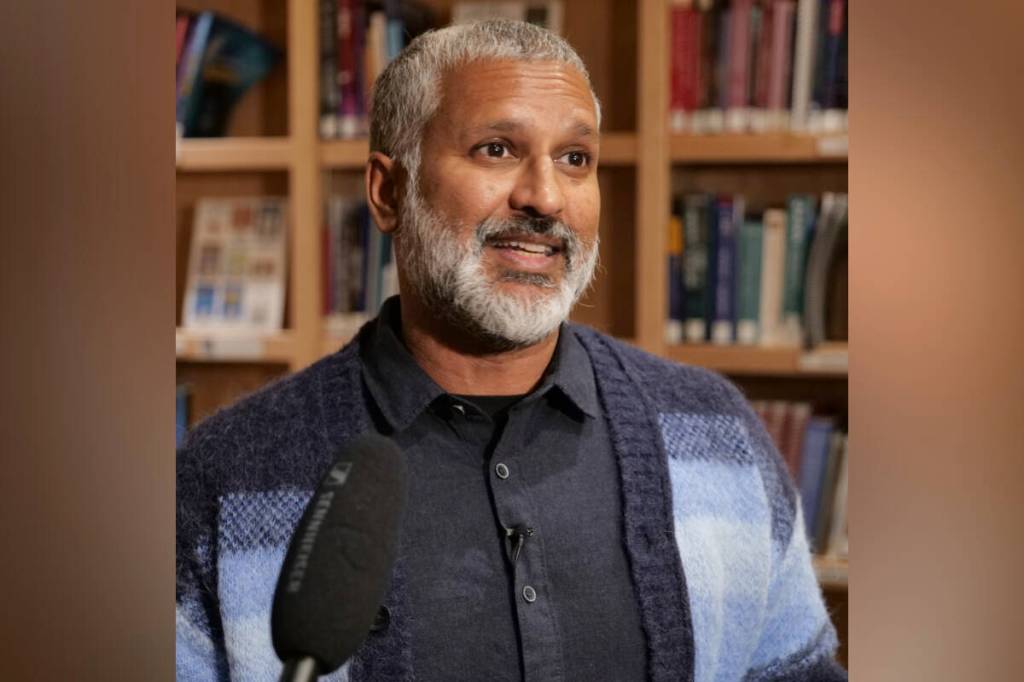
A groundbreaking clinical trial in Victoria, British Columbia, is showing promising results for the treatment of prostate cancer. The pilot program, known as ADAPT-25, employs artificial intelligence and advanced radiation techniques to precisely target cancerous cells. This innovative approach aims to reduce the treatment duration from up to 40 visits over several weeks to just two days, allowing patients to spend less time in hospitals.
Dr. Abe Alexander, a radiation oncologist at BC Cancer’s Victoria care centre, highlighted the challenges faced by patients in the past. “Curative radiation treatments have been very inconvenient for men,” he stated. Traditional methods often required daily visits for four to eight weeks. The potential of this new technology could significantly enhance treatment effectiveness while minimizing the burden on patients.
Each year, over 4,000 men in British Columbia are diagnosed with prostate cancer, according to the BC Cancer Foundation. The aim of ADAPT-25 is to combat these alarming statistics. “I think that it’s going to improve our ability to treat people,” Dr. Alexander added. The trial intends to not only lessen side effects but also increase cure rates, ultimately granting patients more time to enjoy their lives.
As of now, 10 men have enrolled in the trial, with nearly another 10 in the process of joining. One participant, Mike Miles, a 77-year-old diagnosed with prostate cancer in January, has already completed two doses of the high-precision radiation. “The early results are really, really favourable,” he shared, noting the absence of the toxic side effects commonly associated with conventional treatments like surgery. “ADAPT-25 treatments have been mostly painless,” he added, highlighting that the only discomfort stemmed from the need to fill his bladder with water prior to treatment.
Miles reported a significant drop in his prostate-specific antigen (PSA) level—initially measured at 13—to just 1.3, well below the threshold that raises concern. This promising decline has given him hope that the trial’s technology may indeed save lives. He contrasted his experience with that of a family member who underwent traditional treatment and developed leukemia as a result. “By reducing the total amount of radiation, it will reduce the likelihood of things like secondary leukemia,” Miles said.
Dr. Alexander expressed optimism about the trial’s impact on patient care. “We’ll be able to treat more men with this technology, and we’ll be able to open up radiation treatment unit time,” he explained. The goal is to streamline processes, ultimately improving quality of life and treatment outcomes for patients, while allowing healthcare providers to focus on other areas in need of attention.
This summer, the ADAPT-25 trial will expand to include BC Cancer centres in Surrey and Abbotsford, extending the opportunity for more families across the province to benefit from this advanced treatment. To learn more about BC Cancer and its initiatives, interested individuals can visit bccancer.bc.ca.

Meta Plans Major Layoffs as AI Costs Surge

Alberta’s Referendum Could Pave Way for U.S. Statehood

Minooka District 201 Plans Enhanced Bilingual Support for Students

Canmore Approves Multiple Development Permits for New Projects

Remembering Bradly Castillo Shearsmith: A Life of Friendship and Joy

BIS Urges Watchdogs to Integrate Synthetic Risk Transfers in Stress Tests

Teva Transforms: Shifting Focus from Generics to Branded Success

Apple Launches AirPods Max 2 with Enhanced Audio Features

Ontario Ends Funding for Seven Supervised Injection Sites

Toyoake City Proposes Daily Two-Hour Smartphone Use Limit

Pedestrian Fatally Injured in Esquimalt Collision on August 14

B.C. Review Reveals Urgent Need for Rare-Disease Drug Reforms

Dark Adventure Game “Bye Sweet Carole” Set for October Release

Konami Revives Iconic Metal Gear Solid Delta Ahead of Release

Victoria’s Pop-Up Shop Shines Light on B.C.’s Wolf Cull

Jimmy Lai’s Defense Challenges Charges Under National Security Law

Snapmaker U1 Color 3D Printer Redefines Speed and Sustainability

Apple Expands Self-Service Repair Program to Canada
-
 Science12 months ago
Toyoake City Proposes Daily Two-Hour Smartphone Use Limit
-
 Top Stories12 months ago
Pedestrian Fatally Injured in Esquimalt Collision on August 14
-
 Health12 months ago
B.C. Review Reveals Urgent Need for Rare-Disease Drug Reforms
-
 Technology12 months ago
Dark Adventure Game “Bye Sweet Carole” Set for October Release
-
 Technology12 months ago
Konami Revives Iconic Metal Gear Solid Delta Ahead of Release
-
 Lifestyle12 months ago
Victoria’s Pop-Up Shop Shines Light on B.C.’s Wolf Cull
-
 World12 months ago
Jimmy Lai’s Defense Challenges Charges Under National Security Law
-
 Technology12 months ago
Snapmaker U1 Color 3D Printer Redefines Speed and Sustainability
-
 Technology12 months ago
Apple Expands Self-Service Repair Program to Canada
-

 Technology12 months ago
AION Folding Knife: Redefining EDC Design with Premium Materials
-

 Technology12 months ago
Solve Today’s Wordle Challenge: Hints and Answer for August 19
-

 Business12 months ago
Gordon Murray Automotive Unveils S1 LM and Le Mans GTR at Monterey