
World
Boeing and Lockheed Martin Battle for Fighter Jet Dominance

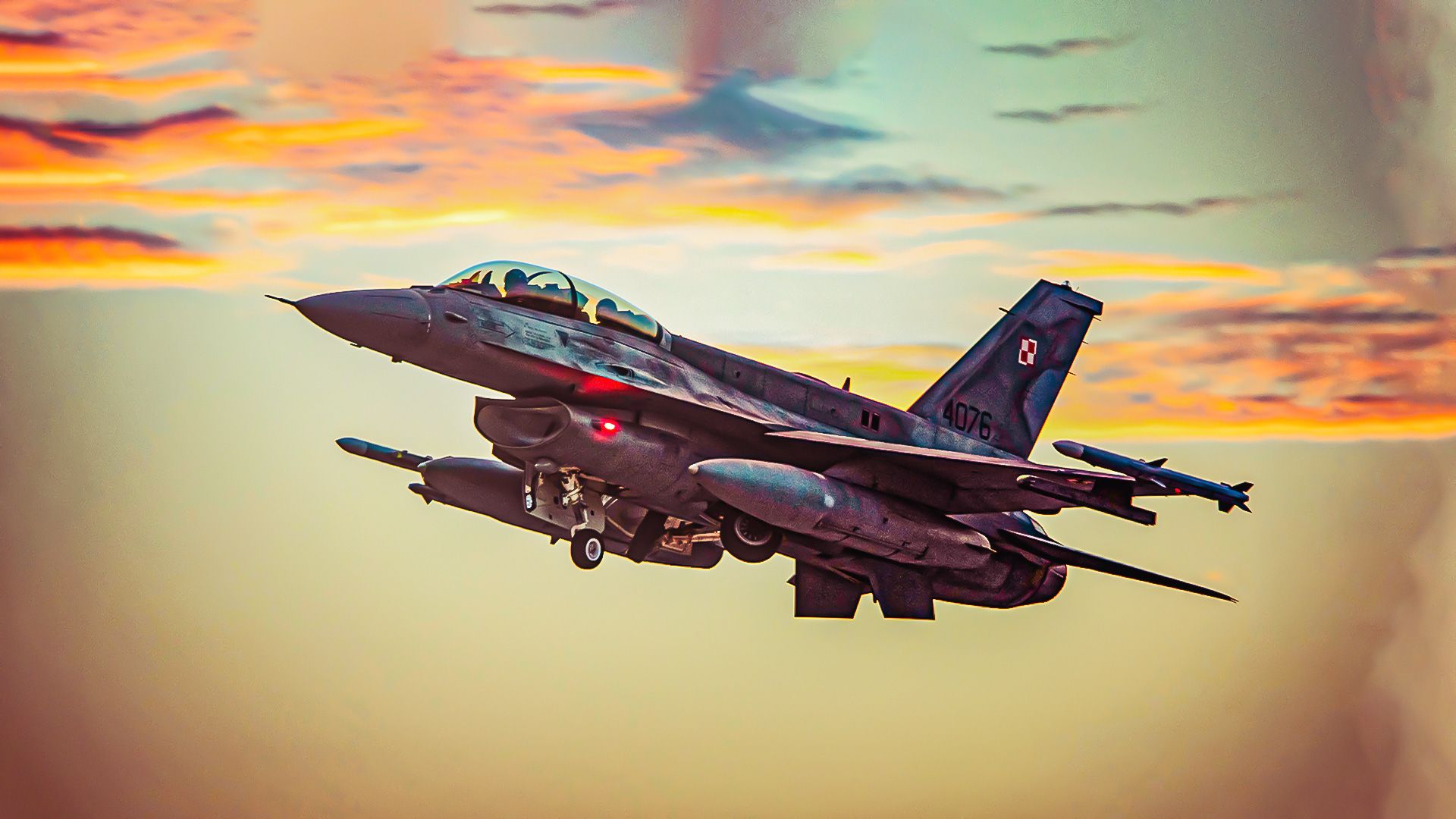
The competition between Boeing and Lockheed Martin in the fighter jet market has intensified in 2023, highlighting significant shifts in the aerospace industry. Both corporations play crucial roles in the United States defense sector, with each having a rich history of producing aircraft that have shaped air combat. The pressing question now is which manufacturer is leading in fighter jet production today.
Current Production Metrics
As of 2023, Boeing has ramped up its production of the F-15EX fighter jet, which has garnered attention for its advanced capabilities. With a production goal set at approximately 24 units annually, Boeing aims to solidify its position in the market. In contrast, Lockheed Martin continues to produce the F-35 Lightning II at a robust pace, reporting a target of about 100 units per year. This includes variations of the aircraft designed for different branches of the military, contributing to Lockheed Martin’s reputation as a leading force in stealth technology.
The differences in production numbers illustrate the distinct strategies employed by both companies. While Lockheed Martin focuses on high-volume production of the F-35, Boeing’s strategy includes revitalizing the F-15 platform, which has been in service for decades. This approach appeals to customers seeking proven technology that can be rapidly deployed.
Market Implications and Future Outlook
The competition between these two giants goes beyond mere numbers; it reflects broader trends within the defense industry. The demand for next-generation fighter jets is driven by evolving threats and the need for advanced technology. As military budgets increase globally, countries are investing in capabilities that include stealth, sensor fusion, and increased lethality.
According to a report from the Center for Strategic and International Studies, military expenditures are expected to rise significantly over the next five years. This increase will likely benefit both Boeing and Lockheed Martin as they compete for contracts not only from the United States but also from international allies. Nations looking to modernize their air forces are considering both the F-15EX and the F-35, with decisions likely influenced by the aircraft’s operational effectiveness and cost.
The rivalry showcases the broader dynamics of the defense market, where innovation is key. Boeing is banking on the F-15EX’s versatility and proven track record, while Lockheed Martin is betting on the advanced features of the F-35 to draw in customers.
In conclusion, the ongoing battle between Boeing and Lockheed Martin is shaping the future of fighter jet production. As both companies strive to enhance their offerings, the outcome will significantly impact military capabilities worldwide. With the stakes as high as they are, the next few years will be critical in determining which manufacturer emerges as the leader in the fighter jet arena.

Meta Plans Major Layoffs as AI Costs Surge

Alberta’s Referendum Could Pave Way for U.S. Statehood

Minooka District 201 Plans Enhanced Bilingual Support for Students

Canmore Approves Multiple Development Permits for New Projects

Remembering Bradly Castillo Shearsmith: A Life of Friendship and Joy

BIS Urges Watchdogs to Integrate Synthetic Risk Transfers in Stress Tests

Teva Transforms: Shifting Focus from Generics to Branded Success

Apple Launches AirPods Max 2 with Enhanced Audio Features

Ontario Ends Funding for Seven Supervised Injection Sites

Toyoake City Proposes Daily Two-Hour Smartphone Use Limit

Pedestrian Fatally Injured in Esquimalt Collision on August 14

B.C. Review Reveals Urgent Need for Rare-Disease Drug Reforms

Dark Adventure Game “Bye Sweet Carole” Set for October Release

Konami Revives Iconic Metal Gear Solid Delta Ahead of Release

Victoria’s Pop-Up Shop Shines Light on B.C.’s Wolf Cull

Jimmy Lai’s Defense Challenges Charges Under National Security Law

Snapmaker U1 Color 3D Printer Redefines Speed and Sustainability

Apple Expands Self-Service Repair Program to Canada
-
 Science12 months ago
Toyoake City Proposes Daily Two-Hour Smartphone Use Limit
-
 Top Stories12 months ago
Pedestrian Fatally Injured in Esquimalt Collision on August 14
-
 Health12 months ago
B.C. Review Reveals Urgent Need for Rare-Disease Drug Reforms
-
 Technology12 months ago
Dark Adventure Game “Bye Sweet Carole” Set for October Release
-
 Technology12 months ago
Konami Revives Iconic Metal Gear Solid Delta Ahead of Release
-
 Lifestyle12 months ago
Victoria’s Pop-Up Shop Shines Light on B.C.’s Wolf Cull
-
 World12 months ago
Jimmy Lai’s Defense Challenges Charges Under National Security Law
-
 Technology12 months ago
Snapmaker U1 Color 3D Printer Redefines Speed and Sustainability
-
 Technology12 months ago
Apple Expands Self-Service Repair Program to Canada
-

 Technology12 months ago
AION Folding Knife: Redefining EDC Design with Premium Materials
-

 Technology12 months ago
Solve Today’s Wordle Challenge: Hints and Answer for August 19
-

 Business12 months ago
Gordon Murray Automotive Unveils S1 LM and Le Mans GTR at Monterey