
World
EU Leaders Commit to Two-Year Funding for Ukraine Amid Challenges

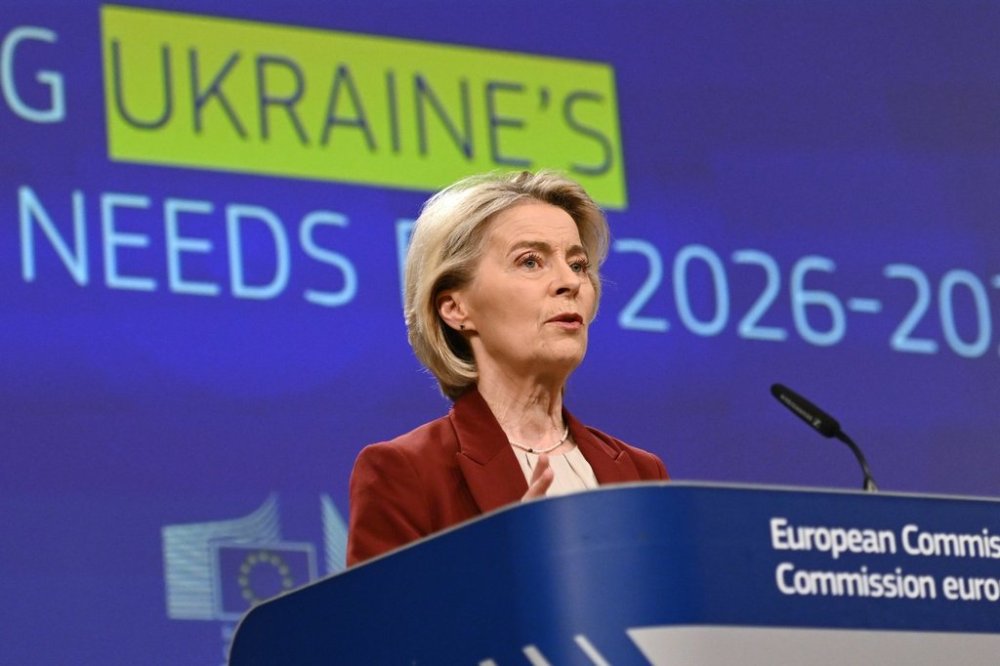
European Union leaders have confirmed their commitment to support Ukraine’s economic and military needs for the next two years, amidst the ongoing conflict with Russia. This decision comes as Ukraine urgently requires funding, estimated at 135 billion euros (approximately $157 billion), to sustain its efforts through early 2026. The EU summit scheduled for December 18, 2023, will address the potential use of frozen Russian assets in Europe to help meet these needs.
The discussions arise nearly four years after Russia’s full-scale invasion of Ukraine, which began in February 2022. The European Commission, the executive branch of the EU, has indicated that around 210 billion euros (approximately $244 billion) in frozen Russian assets are currently held in Europe, with most located in Belgium’s financial clearinghouse, Euroclear.
A significant point of contention lies in the approach to utilizing these assets. One proposed plan involves a “reparations loan,” where the frozen Russian funds would be used until Moscow agrees to compensate Ukraine for the damages caused by the war. However, there is widespread skepticism regarding whether Russian President Vladimir Putin would ever agree to pay such reparations.
Alternatively, a second plan suggests the EU could finance Ukraine’s needs by borrowing from financial markets, similar to the bloc’s previous actions during the COVID-19 pandemic recovery. This approach, while potentially viable, requires unanimous approval from all member states, making it susceptible to vetoes from nations such as Hungary and Slovakia, which have historically opposed EU support for Ukraine.
As the summit approaches, European Council President Antonio Costa has emphasized the need for a definitive decision, urging leaders not to leave without reaching an agreement. Meanwhile, Ursula von der Leyen, President of the European Commission, has outlined a plan where the EU would cover two-thirds of Ukraine’s financial requirements for 2026 and 2027, amounting to 90 billion euros (around $105 billion), with international partners expected to fill the remaining gap.
Despite the potential benefits of utilizing these frozen assets, concerns persist regarding the implications of such a move. The European Central Bank has warned that seizing foreign assets could undermine trust in the euro currency. Belgium, which holds most of these assets, remains particularly apprehensive about possible retaliatory actions from Russia, including legal challenges or more aggressive tactics.
Belgian Foreign Minister Maxime Prévtot has voiced his government’s reservations, emphasizing the consequential risks involved in the proposed plans. He stated that Belgium seeks to avoid any actions that could lead to disastrous consequences for its own stability, while still supporting Ukraine’s fight against Russian aggression.
In light of these challenges, the EU’s decision on December 18 will not only determine the financial future of Ukraine but also set a precedent for how international financial institutions handle frozen assets in times of conflict. The outcome of this summit could significantly impact both the EU’s cohesion and its response to global security threats posed by Russia.

Meta Plans Major Layoffs as AI Costs Surge

Alberta’s Referendum Could Pave Way for U.S. Statehood

Minooka District 201 Plans Enhanced Bilingual Support for Students

Canmore Approves Multiple Development Permits for New Projects

Remembering Bradly Castillo Shearsmith: A Life of Friendship and Joy

BIS Urges Watchdogs to Integrate Synthetic Risk Transfers in Stress Tests

Teva Transforms: Shifting Focus from Generics to Branded Success

Apple Launches AirPods Max 2 with Enhanced Audio Features

Ontario Ends Funding for Seven Supervised Injection Sites

Toyoake City Proposes Daily Two-Hour Smartphone Use Limit

Pedestrian Fatally Injured in Esquimalt Collision on August 14

B.C. Review Reveals Urgent Need for Rare-Disease Drug Reforms

Dark Adventure Game “Bye Sweet Carole” Set for October Release

Konami Revives Iconic Metal Gear Solid Delta Ahead of Release

Victoria’s Pop-Up Shop Shines Light on B.C.’s Wolf Cull

Jimmy Lai’s Defense Challenges Charges Under National Security Law

Snapmaker U1 Color 3D Printer Redefines Speed and Sustainability

Apple Expands Self-Service Repair Program to Canada
-
 Science12 months ago
Toyoake City Proposes Daily Two-Hour Smartphone Use Limit
-
 Top Stories12 months ago
Pedestrian Fatally Injured in Esquimalt Collision on August 14
-
 Health12 months ago
B.C. Review Reveals Urgent Need for Rare-Disease Drug Reforms
-
 Technology12 months ago
Dark Adventure Game “Bye Sweet Carole” Set for October Release
-
 Technology12 months ago
Konami Revives Iconic Metal Gear Solid Delta Ahead of Release
-
 Lifestyle12 months ago
Victoria’s Pop-Up Shop Shines Light on B.C.’s Wolf Cull
-
 World12 months ago
Jimmy Lai’s Defense Challenges Charges Under National Security Law
-
 Technology12 months ago
Snapmaker U1 Color 3D Printer Redefines Speed and Sustainability
-
 Technology12 months ago
Apple Expands Self-Service Repair Program to Canada
-

 Technology12 months ago
AION Folding Knife: Redefining EDC Design with Premium Materials
-

 Technology12 months ago
Solve Today’s Wordle Challenge: Hints and Answer for August 19
-

 Business12 months ago
Gordon Murray Automotive Unveils S1 LM and Le Mans GTR at Monterey