
World
Health Subsidies Expire, Causing Insurance Costs to Surge for Millions

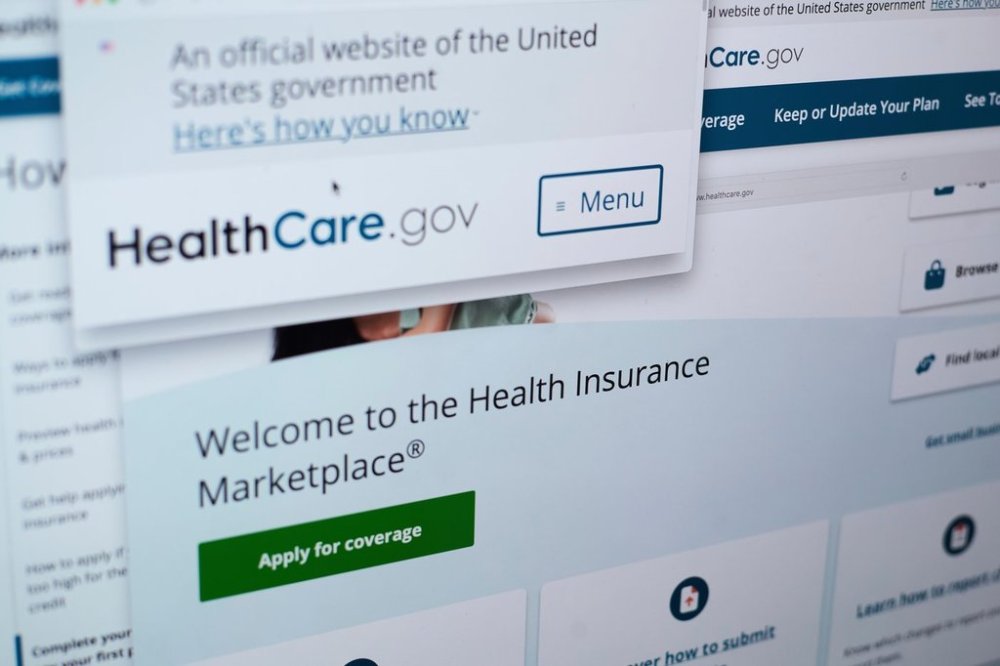
The expiration of enhanced tax credits under the Affordable Care Act (ACA) has led to significant increases in health insurance costs for millions of Americans as they enter 2026. The subsidies, which had previously reduced premiums for a vast majority of ACA enrollees, ceased overnight, leaving many individuals facing steep financial burdens for their health care coverage.
Impact on Enrollees and Health Costs
On average, more than 20 million subsidized enrollees in the ACA program are now experiencing premium hikes of 114%. Such dramatic increases come as overall health care costs in the United States also continue to rise, further exacerbating out-of-pocket expenses for many individuals. According to a report by the health care research nonprofit KFF, these changes disproportionately affect those who do not receive employer-sponsored insurance or qualify for government programs like Medicaid or Medicare.
Among those affected is Katelin Provost, a 37-year-old single mother, whose monthly premium will surge from $85 to nearly $750. She expressed her frustration, stating, “It really bothers me that the middle class has moved from a squeeze to a full suffocation.” The financial strain is palpable for many, particularly for those like Stan Clawson, a freelance filmmaker in Salt Lake City, whose premiums are set to increase from just under $350 to nearly $500 this year.
Health analysts warn that the expiration of these subsidies may lead to a substantial drop in coverage, particularly among younger and healthier Americans. A study conducted by the Urban Institute and Commonwealth Fund suggests that approximately 4.8 million Americans might forgo health insurance in 2026 due to the rising costs.
Political Landscape and Future Prospects
The cessation of these subsidies has ignited a political firestorm as the midterm elections approach, with affordability gaining traction as a critical voter concern. The subsidies were initially introduced in 2021 as a temporary response to the COVID-19 pandemic, later extended by Democrats until the start of 2026. Their expiration has led to renewed calls for legislative action to restore financial support.
In December, a Senate vote rejected two competing proposals: one from Democrats seeking to extend the subsidies for three additional years, and another from Republicans advocating for health savings accounts instead. A potential House vote in January could offer another opportunity to address the issue, but its passage remains uncertain.
Many enrollees feel disconnected from lawmakers who they believe do not grasp the reality of their financial struggles. Chad Bruns, a 58-year-old ACA enrollee from Wisconsin, voiced his concerns, stating, “Both Republicans and Democrats have been saying for years, oh, we need to fix it. Then do it.” The urgency for a resolution grows as Americans await potential relief from rising health care costs.
As the window for selecting or changing plans remains open until January 15, 2026, the full impact of these premium hikes on enrollment is still unfolding. Many individuals, like Provost, are hoping for a legislative solution that restores the subsidies, particularly in a landscape where health care affordability remains a pressing issue.

Meta Plans Major Layoffs as AI Costs Surge

Alberta’s Referendum Could Pave Way for U.S. Statehood

Minooka District 201 Plans Enhanced Bilingual Support for Students

Canmore Approves Multiple Development Permits for New Projects

Remembering Bradly Castillo Shearsmith: A Life of Friendship and Joy

BIS Urges Watchdogs to Integrate Synthetic Risk Transfers in Stress Tests

Teva Transforms: Shifting Focus from Generics to Branded Success

Apple Launches AirPods Max 2 with Enhanced Audio Features

Ontario Ends Funding for Seven Supervised Injection Sites

Toyoake City Proposes Daily Two-Hour Smartphone Use Limit

Pedestrian Fatally Injured in Esquimalt Collision on August 14

B.C. Review Reveals Urgent Need for Rare-Disease Drug Reforms

Dark Adventure Game “Bye Sweet Carole” Set for October Release

Konami Revives Iconic Metal Gear Solid Delta Ahead of Release

Victoria’s Pop-Up Shop Shines Light on B.C.’s Wolf Cull

Jimmy Lai’s Defense Challenges Charges Under National Security Law

Snapmaker U1 Color 3D Printer Redefines Speed and Sustainability

Apple Expands Self-Service Repair Program to Canada
-
 Science12 months ago
Toyoake City Proposes Daily Two-Hour Smartphone Use Limit
-
 Top Stories12 months ago
Pedestrian Fatally Injured in Esquimalt Collision on August 14
-
 Health12 months ago
B.C. Review Reveals Urgent Need for Rare-Disease Drug Reforms
-
 Technology12 months ago
Dark Adventure Game “Bye Sweet Carole” Set for October Release
-
 Technology12 months ago
Konami Revives Iconic Metal Gear Solid Delta Ahead of Release
-
 Lifestyle12 months ago
Victoria’s Pop-Up Shop Shines Light on B.C.’s Wolf Cull
-
 World12 months ago
Jimmy Lai’s Defense Challenges Charges Under National Security Law
-
 Technology12 months ago
Snapmaker U1 Color 3D Printer Redefines Speed and Sustainability
-
 Technology12 months ago
Apple Expands Self-Service Repair Program to Canada
-

 Technology12 months ago
AION Folding Knife: Redefining EDC Design with Premium Materials
-

 Technology12 months ago
Solve Today’s Wordle Challenge: Hints and Answer for August 19
-

 Business12 months ago
Gordon Murray Automotive Unveils S1 LM and Le Mans GTR at Monterey