
World
Southwest Airlines Transforms Business Strategy for Corporate Travelers

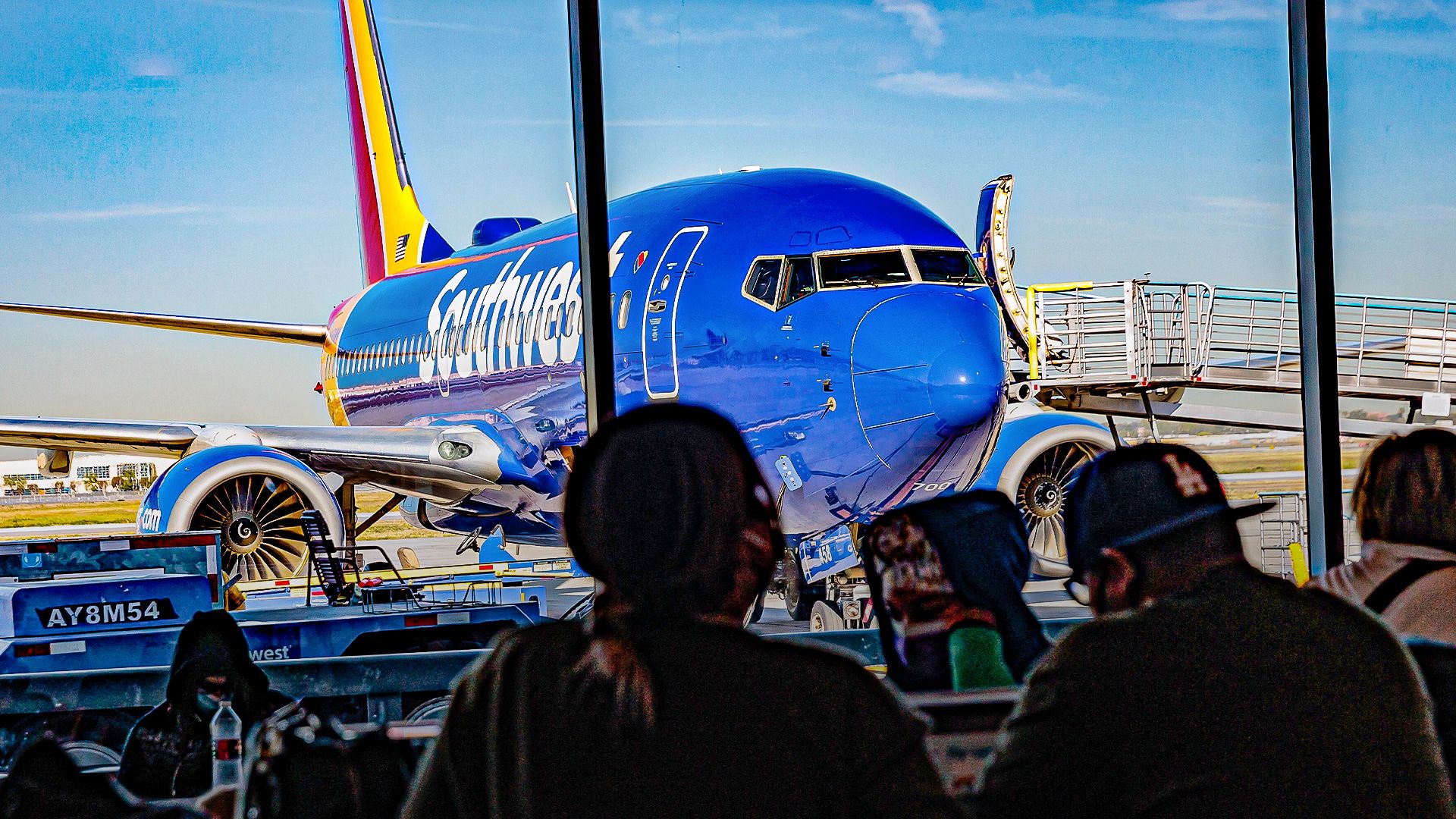
Southwest Airlines is evolving its business strategy to better cater to corporate travelers. Historically known for its low fares and friendly service, the airline is now making significant changes to enhance its appeal to higher-yield business customers. These alterations come in response to a shifting travel landscape that increasingly demands premium services.
The airline’s transformation includes a switch to assigned seating, the introduction of extra legroom options, and revamped fare bundles. According to CEO Bob Jordan, these changes are driven by customer expectations that have shifted significantly since the pandemic. In a recent earnings call, he stated, “providing customers what they want today, which is different than what they wanted five and 10 years ago” is essential for the airline’s growth.
The changes aim to position Southwest Airlines more competitively in the corporate travel sector, which has been increasingly characterized by a preference for flexibility and comfort. Andrew Watterson, the airline’s Chief Operating Officer, noted that while Southwest has traditionally focused on low-cost travel, it lacked the specific product offerings that corporate travelers seek.
Key Changes in Southwest’s Offerings
The most visible modification is the overhaul of Southwest’s fare structure. The airline has replaced its “Wanna Get Away” tickets with a tiered system ranging from “Basic” to “Choice Extra.” The top-tier offerings include benefits such as early boarding, extra legroom, two free checked bags, and free Wi-Fi. The introduction of assigned seating aims to enhance predictability for corporate travel programs, making it easier for companies to manage travel for their employees.
Southwest’s new seating categories include:
– **Standard:** Seats with 31 inches of pitch, located at the back of the cabin. Passengers on Choice tickets can pre-select these seats, while Basic tickets have seats assigned at check-in.
– **Preferred:** Standard legroom seats located forward of the wing, offering advantages like earlier boarding. These are available through Choice Preferred tickets, which are fully refundable.
– **Extra Legroom:** Seats providing up to five additional inches of pitch, located in the front rows and at overwing exits, purchasable via Choice Extra tickets.
In addition to these seating changes, Southwest has strengthened its international partnerships. In 2025, the airline formed interline agreements with Turkish Airlines and several other carriers, broadening its international connectivity. This strategic shift aims to facilitate global travel for corporate customers while reducing operational friction through enhanced distribution via major Global Distribution Systems (GDS).
Enhancing Corporate Travel Experience
One of the most substantial improvements has been the launch of Southwest Business Assist, a self-service portal designed to streamline corporate travel management. This tool allows travel managers to handle requests for upgrades, name changes, and other administrative tasks more efficiently.
Jordan has emphasized that the enhancements to Business Assist transform it from a basic reporting tool into a comprehensive operations console. The portal now includes features like a credit bank for negotiated extras, automated name changes, and improved reporting dashboards. These updates make it easier for companies to manage their travel programs effectively.
Despite these advancements, some industry analysts note that Southwest’s offerings still fall short of full business class accommodations provided by major carriers like Delta and United. While Southwest’s extra legroom seats represent an improvement, they do not match the full premium experience that corporate travelers often seek.
The airline’s long-term strategy includes the potential introduction of lounges, which are highly valued by frequent business travelers. Southwest recently received approval to open its first lounge at Honolulu International Airport, a move that indicates a willingness to adapt to market demands for premium experiences.
Looking ahead, Southwest is contemplating long-haul international operations. Currently, the airline relies on partnerships for international routes, but Jordan’s interest in expanding into long-haul flights could mark a significant shift in the airline’s operational strategy. Such a move would necessitate the acquisition of aircraft capable of long-haul travel, likely the Boeing 787-10, which would provide a more comprehensive service offering to business customers.
As Southwest Airlines continues to reshape its business strategy, the airline aims to capture a larger share of the corporate travel market. With these changes, it seeks to balance its legacy as a low-cost carrier with the evolving expectations of modern travelers.

Meta Plans Major Layoffs as AI Costs Surge

Alberta’s Referendum Could Pave Way for U.S. Statehood

Minooka District 201 Plans Enhanced Bilingual Support for Students

Canmore Approves Multiple Development Permits for New Projects

Remembering Bradly Castillo Shearsmith: A Life of Friendship and Joy

BIS Urges Watchdogs to Integrate Synthetic Risk Transfers in Stress Tests

Teva Transforms: Shifting Focus from Generics to Branded Success

Apple Launches AirPods Max 2 with Enhanced Audio Features

Ontario Ends Funding for Seven Supervised Injection Sites

Toyoake City Proposes Daily Two-Hour Smartphone Use Limit

Pedestrian Fatally Injured in Esquimalt Collision on August 14

B.C. Review Reveals Urgent Need for Rare-Disease Drug Reforms

Dark Adventure Game “Bye Sweet Carole” Set for October Release

Konami Revives Iconic Metal Gear Solid Delta Ahead of Release

Victoria’s Pop-Up Shop Shines Light on B.C.’s Wolf Cull

Jimmy Lai’s Defense Challenges Charges Under National Security Law

Snapmaker U1 Color 3D Printer Redefines Speed and Sustainability

Apple Expands Self-Service Repair Program to Canada
-
 Science12 months ago
Toyoake City Proposes Daily Two-Hour Smartphone Use Limit
-
 Top Stories12 months ago
Pedestrian Fatally Injured in Esquimalt Collision on August 14
-
 Health12 months ago
B.C. Review Reveals Urgent Need for Rare-Disease Drug Reforms
-
 Technology11 months ago
Dark Adventure Game “Bye Sweet Carole” Set for October Release
-
 Technology12 months ago
Konami Revives Iconic Metal Gear Solid Delta Ahead of Release
-
 Lifestyle12 months ago
Victoria’s Pop-Up Shop Shines Light on B.C.’s Wolf Cull
-
 World12 months ago
Jimmy Lai’s Defense Challenges Charges Under National Security Law
-
 Technology12 months ago
Snapmaker U1 Color 3D Printer Redefines Speed and Sustainability
-
 Technology12 months ago
Apple Expands Self-Service Repair Program to Canada
-

 Technology12 months ago
AION Folding Knife: Redefining EDC Design with Premium Materials
-

 Technology12 months ago
Solve Today’s Wordle Challenge: Hints and Answer for August 19
-

 Business12 months ago
Gordon Murray Automotive Unveils S1 LM and Le Mans GTR at Monterey