
World
Toronto’s Transit System Faces Challenges After Eglinton LRT Opens

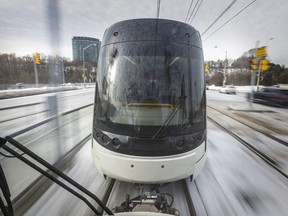
Toronto has recently celebrated the long-awaited opening of the Eglinton Crosstown Light Rail Transit (LRT) line, a project that has been plagued by significant delays and escalating costs. Initially projected to cost $4.6 billion, the final expenditure soared to over $13 billion, according to the provincial agency Metrolinx. Construction began in 2011, with the line originally scheduled to commence operations in 2020. The project faced numerous setbacks, culminating in a recent announcement that the line would open in September 2025, which turned into a seven-month delay.
The Eglinton Crosstown LRT opening follows the December 8, 2025, launch of the Finch West LRT, which also experienced delays and budget overruns. Initially set for a 2023 opening with a budget of $2.5 billion, the Finch West line ended up costing $3.7 billion and was reportedly slow and unreliable, leading to multiple shutdowns during its first weeks of operation.
Ongoing Service Issues for Commuters
In addition to these troubled projects, Toronto commuters continue to face unreliable service from both Metrolinx and the Toronto Transit Commission (TTC). On February 2, 2026, a GO train derailed at Union Station, disrupting commuter service for a week and prompting an apology from the Metrolinx CEO. The TTC has also struggled with frequent delays and service interruptions. The latest performance report indicated that subways were on time only 88.2% of the time, while buses and streetcars recorded on-time rates of 73% and 55%, respectively, all falling short of the 90% target.
Customer satisfaction has plummeted, with the report revealing a mere 72% approval rate compared to an 84% target. Year-to-date transit rides were reported to be 5.4% below budget and down 1.1% year-over-year. Adding to these woes, Metrolinx and the City of Toronto have reportedly spent $97 million on two SmartTrack stations that may never be constructed.
Exploring Privatization as a Solution
As Toronto grapples with these ongoing challenges, various studies suggest that privatization could enhance operational efficiency and financial performance. The MTR Corporation in Hong Kong serves as a successful case study. While it is majority-owned by the government, its structure operates similarly to a private enterprise, with some shares publicly traded. A 2016 McKinsey report highlighted that MTR maintained an impressive on-time performance record of 99.9% for its trains, in stark contrast to the 55% on-time rate for TTC streetcars.
Cities like London and Melbourne have also seen improved transit performance after transferring operational control to private entities, underscoring the potential benefits of privatization. While some critics argue that privatization is not a comprehensive solution to transit issues, it could foster greater accountability and financial discipline compared to the current status quo.
Matthew Lau, an adjunct scholar with the Fraser Institute, emphasizes that while transit systems will never function perfectly, an expanded role for the private sector could offer a more effective approach to resolving Toronto’s transit challenges. The need for change is evident, as commuters express growing frustration with the persistent service issues and operational inefficiencies plaguing the city’s transit network.

Meta Plans Major Layoffs as AI Costs Surge

Alberta’s Referendum Could Pave Way for U.S. Statehood

Minooka District 201 Plans Enhanced Bilingual Support for Students

Canmore Approves Multiple Development Permits for New Projects

Remembering Bradly Castillo Shearsmith: A Life of Friendship and Joy

BIS Urges Watchdogs to Integrate Synthetic Risk Transfers in Stress Tests

Teva Transforms: Shifting Focus from Generics to Branded Success

Apple Launches AirPods Max 2 with Enhanced Audio Features

Ontario Ends Funding for Seven Supervised Injection Sites

Toyoake City Proposes Daily Two-Hour Smartphone Use Limit

Pedestrian Fatally Injured in Esquimalt Collision on August 14

B.C. Review Reveals Urgent Need for Rare-Disease Drug Reforms

Dark Adventure Game “Bye Sweet Carole” Set for October Release

Konami Revives Iconic Metal Gear Solid Delta Ahead of Release

Victoria’s Pop-Up Shop Shines Light on B.C.’s Wolf Cull

Jimmy Lai’s Defense Challenges Charges Under National Security Law

Snapmaker U1 Color 3D Printer Redefines Speed and Sustainability

Apple Expands Self-Service Repair Program to Canada
-
 Science12 months ago
Toyoake City Proposes Daily Two-Hour Smartphone Use Limit
-
 Top Stories12 months ago
Pedestrian Fatally Injured in Esquimalt Collision on August 14
-
 Health12 months ago
B.C. Review Reveals Urgent Need for Rare-Disease Drug Reforms
-
 Technology12 months ago
Dark Adventure Game “Bye Sweet Carole” Set for October Release
-
 Technology12 months ago
Konami Revives Iconic Metal Gear Solid Delta Ahead of Release
-
 Lifestyle12 months ago
Victoria’s Pop-Up Shop Shines Light on B.C.’s Wolf Cull
-
 World12 months ago
Jimmy Lai’s Defense Challenges Charges Under National Security Law
-
 Technology12 months ago
Snapmaker U1 Color 3D Printer Redefines Speed and Sustainability
-
 Technology12 months ago
Apple Expands Self-Service Repair Program to Canada
-

 Technology12 months ago
AION Folding Knife: Redefining EDC Design with Premium Materials
-

 Technology12 months ago
Solve Today’s Wordle Challenge: Hints and Answer for August 19
-

 Business12 months ago
Gordon Murray Automotive Unveils S1 LM and Le Mans GTR at Monterey