
World
United Airlines Faces Lawsuit Over New Route to McClellan-Palomar

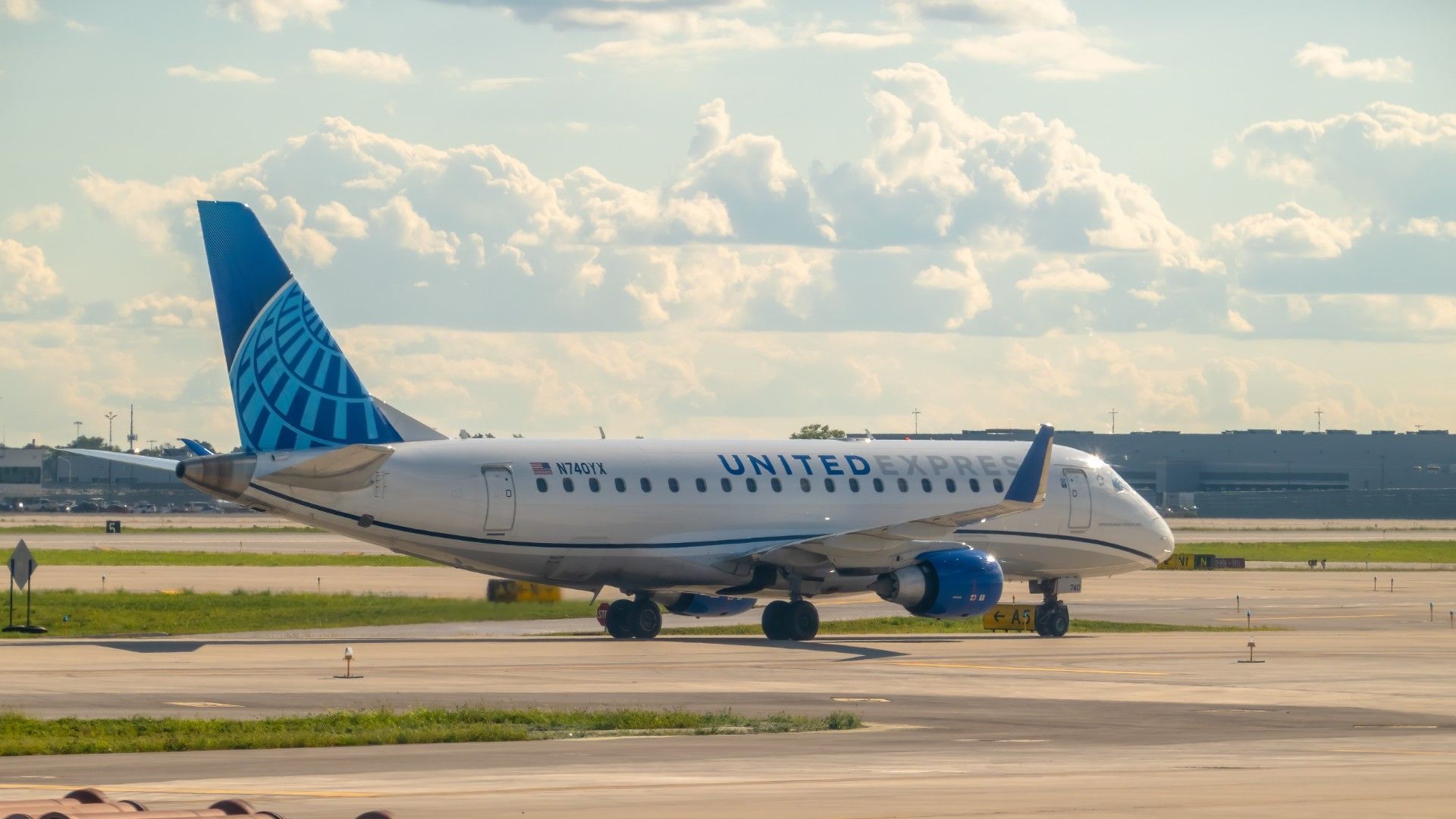
A new lawsuit has emerged as United Airlines prepares to launch two new routes from McClellan-Palomar Airport in Carlsbad, California, scheduled to commence on March 31, 2026. Local residents, represented by the group Citizens For A Friendly Airport, have filed suit against San Diego County, alleging that the county failed to conduct necessary environmental studies before approving United’s plans. The routes will connect McClellan-Palomar Airport to Denver International Airport and San Francisco International Airport, with two daily flights for each destination.
This legal challenge comes on the heels of a similar lawsuit against the county regarding a new route launched by American Airlines, which began operations from McClellan-Palomar to Phoenix in February 2025. The ongoing contention primarily revolves around the suitability of the Embraer E175 aircraft, which is deemed by residents to be too large and noisy for the regional airport.
Details of United Airlines’ New Routes
United Airlines plans to utilize the 76-seat Embraer E175 for its upcoming flights, operated by SkyWest Airlines under the United Express brand. These two routes will significantly enhance connectivity for the Carlsbad community, providing access to major hubs in the United States and beyond. Denver serves as a key airline hub with extensive connections throughout the country as well as high connectivity to both Canada and Latin America. Similarly, San Francisco is a crucial gateway for travel to Asia and Oceania.
Previously, McClellan-Palomar Airport offered limited services primarily from Advanced Air and JSX, which operated smaller aircraft. The introduction of United’s service is expected to increase travel options for residents, allowing for greater ease in reaching a variety of destinations.
Legal Challenges Surrounding Airport Operations
The lawsuit filed by Citizens For A Friendly Airport argues that San Diego County did not adequately assess the environmental impact of regularly scheduled commercial services at McClellan-Palomar Airport. This marks the group’s third legal action against the county in recent years. Their first lawsuit, launched in 2018, focused on the airport’s master update, where the court upheld the county’s decisions but required amendments to the airport’s noise analysis.
The recent lawsuit against American Airlines centered on the same Embraer E175 aircraft type, which was claimed to be incompatible with the airport’s infrastructure due to its size, wingspan, and approach speed. The residents contend that the noise produced by the E175 is higher than that of smaller aircraft that typically operate from the airport.
Currently, American Airlines operates its Phoenix route with up to four daily flights using the same aircraft model. The ongoing litigation, which has gained the support of the city of Carlsbad, highlights growing concerns regarding noise and environmental impacts associated with increased air traffic at McClellan-Palomar Airport.
As United Airlines prepares to expand its service offerings, the outcomes of these legal challenges could significantly shape the future of commercial aviation in Carlsbad and the surrounding areas.

Meta Plans Major Layoffs as AI Costs Surge

Alberta’s Referendum Could Pave Way for U.S. Statehood

Minooka District 201 Plans Enhanced Bilingual Support for Students

Canmore Approves Multiple Development Permits for New Projects

Remembering Bradly Castillo Shearsmith: A Life of Friendship and Joy

BIS Urges Watchdogs to Integrate Synthetic Risk Transfers in Stress Tests

Teva Transforms: Shifting Focus from Generics to Branded Success

Apple Launches AirPods Max 2 with Enhanced Audio Features

Ontario Ends Funding for Seven Supervised Injection Sites

Toyoake City Proposes Daily Two-Hour Smartphone Use Limit

Pedestrian Fatally Injured in Esquimalt Collision on August 14

B.C. Review Reveals Urgent Need for Rare-Disease Drug Reforms

Dark Adventure Game “Bye Sweet Carole” Set for October Release

Konami Revives Iconic Metal Gear Solid Delta Ahead of Release

Victoria’s Pop-Up Shop Shines Light on B.C.’s Wolf Cull

Jimmy Lai’s Defense Challenges Charges Under National Security Law

Snapmaker U1 Color 3D Printer Redefines Speed and Sustainability

Apple Expands Self-Service Repair Program to Canada
-
 Science11 months ago
Toyoake City Proposes Daily Two-Hour Smartphone Use Limit
-
 Top Stories11 months ago
Pedestrian Fatally Injured in Esquimalt Collision on August 14
-
 Health11 months ago
B.C. Review Reveals Urgent Need for Rare-Disease Drug Reforms
-
 Technology11 months ago
Dark Adventure Game “Bye Sweet Carole” Set for October Release
-
 Technology11 months ago
Konami Revives Iconic Metal Gear Solid Delta Ahead of Release
-
 Lifestyle11 months ago
Victoria’s Pop-Up Shop Shines Light on B.C.’s Wolf Cull
-
 World11 months ago
Jimmy Lai’s Defense Challenges Charges Under National Security Law
-
 Technology11 months ago
Snapmaker U1 Color 3D Printer Redefines Speed and Sustainability
-
 Technology11 months ago
Apple Expands Self-Service Repair Program to Canada
-

 Technology11 months ago
AION Folding Knife: Redefining EDC Design with Premium Materials
-

 Technology11 months ago
Solve Today’s Wordle Challenge: Hints and Answer for August 19
-

 Business11 months ago
Gordon Murray Automotive Unveils S1 LM and Le Mans GTR at Monterey