
Science
New Playability Index Reveals Outdoor Play Gaps for Children

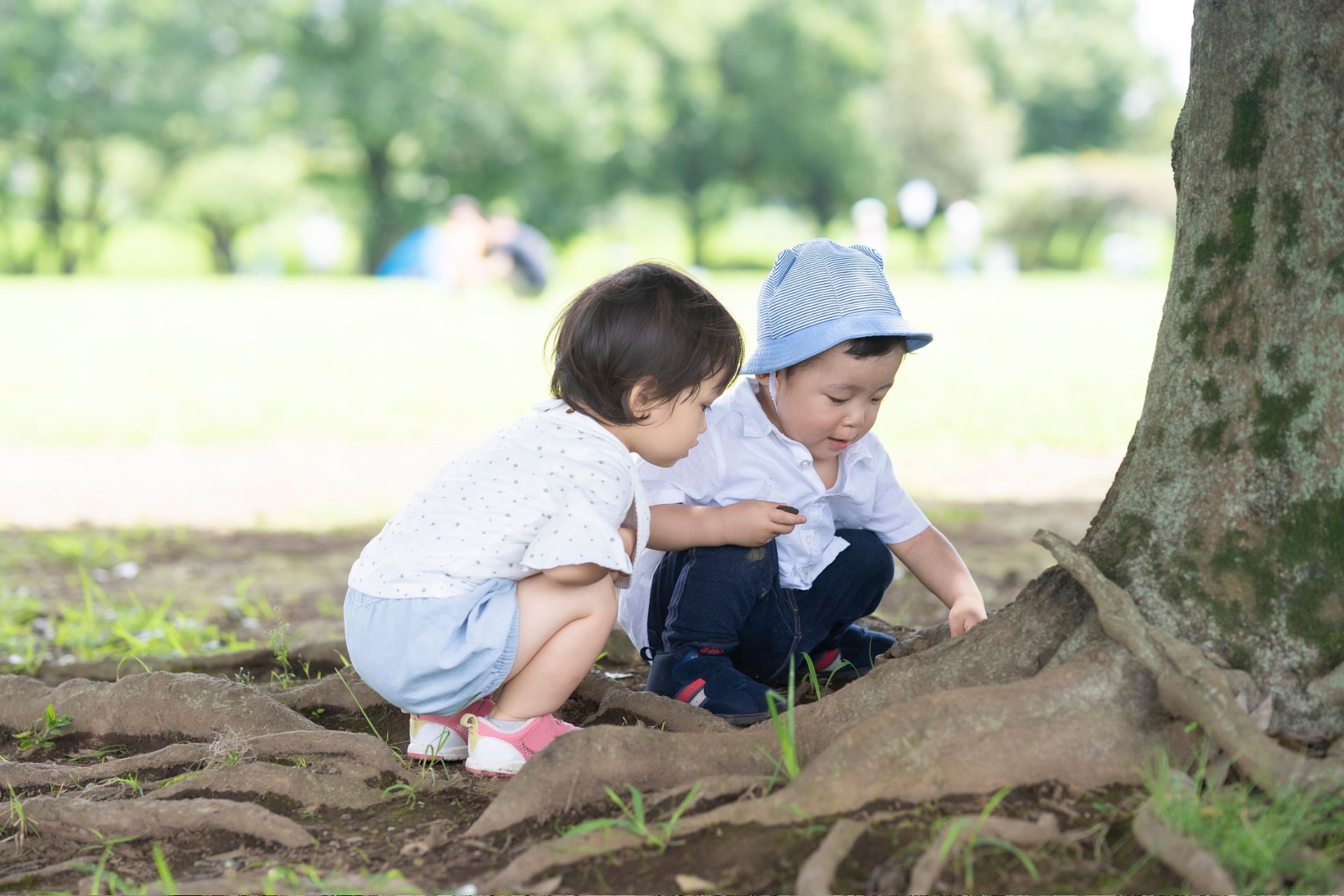
A groundbreaking study led by Dr. Emily Gemmell, a postdoctoral researcher at the University of British Columbia (UBC) School of Population and Public Health, has unveiled Canada’s first nationwide “playability index.” This innovative tool evaluates how well neighbourhoods support outdoor free play for young children, highlighting significant disparities across urban environments.
The importance of outdoor play for children cannot be overstated. It is a vital component of their development, encompassing not just physical activity but also social interaction and cognitive growth. Dr. Gemmell explains that children engage in physical activity primarily through play rather than structured exercise, making the availability of safe and engaging outdoor spaces crucial.
“Outdoor environments promote more movement and support the development of gross and fine motor skills,” Dr. Gemmell noted in an interview. This engagement not only fosters physical health but also enhances cognitive and behavioural well-being. Nature and varied outdoor settings are essential for children to explore and develop their skills in diverse environments.
Many urban areas pose barriers to outdoor play. The prevalence of car-centric city planning contributes to parental concerns about traffic safety, often resulting in children being kept indoors. Factors such as limited time for outdoor activities, societal expectations that prioritize adult-directed play, and the allure of screen-based entertainment further diminish outdoor play opportunities. Dr. Gemmell emphasizes that while adults often think of parks and playgrounds as the primary sites for play, children view a wider range of spaces as potential play areas.
To address these issues, the playability index was created to assess how conducive neighbourhoods are to outdoor free play. Traditional urban health metrics typically focus on adult behaviours, such as walkability or access to public transit. Dr. Gemmell’s research, however, recognizes that children engage with their environment differently.
The index is based on a review of studies from 17 countries and identifies five key domains that support outdoor play: traffic safety, social environment, play spaces, child-relevant destinations, and natural environments. Using this framework, the researchers developed 15 indicators to measure these domains within Canadian contexts.
When the index was applied across Canada, the results revealed significant disparities. Average playability scores did not differ dramatically between cities, but notable variations existed within them. In some urban areas, neighbourhoods showed differences of up to 77 percent in their playability scores. Alarmingly, 39 percent of children reside in areas where crucial factors, such as safe streets or access to nature, rank in the lowest 10 percent among all neighbourhoods.
This research has profound implications for families and policymakers alike. The playability index offers a publicly accessible tool that evaluates neighbourhoods’ support for outdoor play, covering regions where 72 percent of Canadian children live. By identifying areas needing improvement, the index empowers urban planners and policymakers to create more child-friendly environments.
Families can visit the PlayScore website to check their neighbourhood’s score across various domains. The platform aims to stimulate local discussions about community strengths and areas for enhancement, ultimately advocating for better outdoor play spaces for children.
As cities continue to evolve, it is crucial for urban planning to incorporate the needs of children. By rethinking how environments are designed, planners can foster healthier, more active lifestyles for future generations.

Meta Plans Major Layoffs as AI Costs Surge

Alberta’s Referendum Could Pave Way for U.S. Statehood

Minooka District 201 Plans Enhanced Bilingual Support for Students

Canmore Approves Multiple Development Permits for New Projects

Remembering Bradly Castillo Shearsmith: A Life of Friendship and Joy

BIS Urges Watchdogs to Integrate Synthetic Risk Transfers in Stress Tests

Teva Transforms: Shifting Focus from Generics to Branded Success

Apple Launches AirPods Max 2 with Enhanced Audio Features

Ontario Ends Funding for Seven Supervised Injection Sites

Toyoake City Proposes Daily Two-Hour Smartphone Use Limit

Pedestrian Fatally Injured in Esquimalt Collision on August 14

B.C. Review Reveals Urgent Need for Rare-Disease Drug Reforms

Dark Adventure Game “Bye Sweet Carole” Set for October Release

Konami Revives Iconic Metal Gear Solid Delta Ahead of Release

Victoria’s Pop-Up Shop Shines Light on B.C.’s Wolf Cull

Jimmy Lai’s Defense Challenges Charges Under National Security Law

Snapmaker U1 Color 3D Printer Redefines Speed and Sustainability

Apple Expands Self-Service Repair Program to Canada
-
 Science11 months ago
Toyoake City Proposes Daily Two-Hour Smartphone Use Limit
-
 Top Stories12 months ago
Pedestrian Fatally Injured in Esquimalt Collision on August 14
-
 Health12 months ago
B.C. Review Reveals Urgent Need for Rare-Disease Drug Reforms
-
 Technology11 months ago
Dark Adventure Game “Bye Sweet Carole” Set for October Release
-
 Technology11 months ago
Konami Revives Iconic Metal Gear Solid Delta Ahead of Release
-
 Lifestyle11 months ago
Victoria’s Pop-Up Shop Shines Light on B.C.’s Wolf Cull
-
 World11 months ago
Jimmy Lai’s Defense Challenges Charges Under National Security Law
-
 Technology11 months ago
Snapmaker U1 Color 3D Printer Redefines Speed and Sustainability
-
 Technology11 months ago
Apple Expands Self-Service Repair Program to Canada
-

 Technology11 months ago
AION Folding Knife: Redefining EDC Design with Premium Materials
-

 Technology11 months ago
Solve Today’s Wordle Challenge: Hints and Answer for August 19
-

 Business11 months ago
Gordon Murray Automotive Unveils S1 LM and Le Mans GTR at Monterey