
Science
Tailoring Workouts to Personality Boosts Enjoyment and Engagement

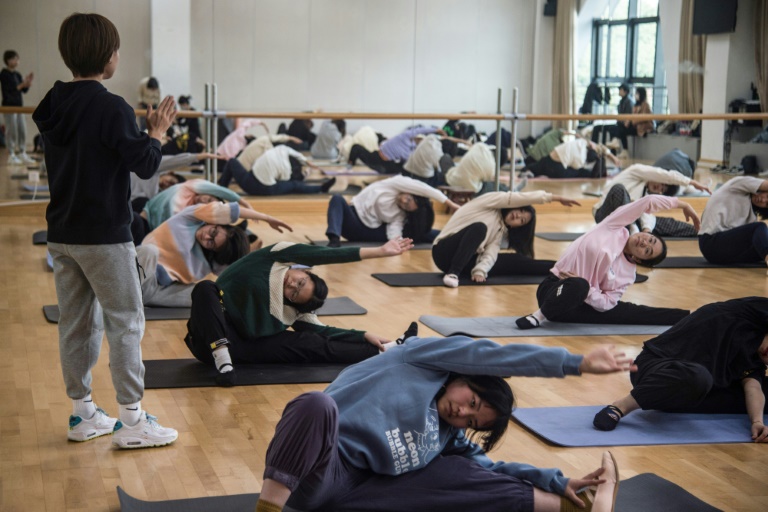
Researchers at University College London (UCL) have discovered that aligning exercise routines with individual personality traits can enhance enjoyment and engagement in physical activity. This finding is particularly relevant, given that less than one quarter of the global population meets the World Health Organization (WHO) recommended activity levels. The WHO guidelines advise adults aged 18–64 years to engage in at least 150 minutes of moderate-intensity or 75 minutes of vigorous-intensity physical activity each week, potentially increasing to 300 minutes for additional health benefits.
The UCL study highlights how personality influences exercise preferences. Extroverts may thrive in high-energy group settings, while individuals with higher levels of neuroticism tend to prefer solitary workouts with brief rest periods. This insight is particularly significant as it underscores the importance of personal preference in maintaining long-term fitness routines.
Understanding Personality and Exercise Preferences
The research involved participants who underwent baseline fitness testing and were subsequently assigned to two groups. One group followed an eight-week home-based fitness plan focusing on cycling and strength training, while the control group maintained their usual activities. Throughout the study, participants completed questionnaires after each session to evaluate their enjoyment levels.
Personality traits assessed included extraversion, conscientiousness, agreeableness, neuroticism, and openness. Findings indicated that those scoring high on extraversion preferred high-intensity sessions with others, engaging in team sports. In contrast, individuals scoring high on neuroticism favored private workouts and required short breaks during intense activities. Participants high in conscientiousness and openness tended to exercise regardless of enjoyment, driven by their structured nature and curiosity, respectively.
The Impact of Exercise on Stress Levels
An intriguing aspect of the study was the relationship between personality traits, changes in fitness, and stress reduction. Prior to the intervention, stress levels were similar across both groups. Post-intervention, those with high neuroticism reported a significant decrease in stress levels, suggesting that exercise can be particularly beneficial for this group. Dr. Flaminia Ronca, a lead researcher at UCL’s Institute of Sport, Exercise and Health, remarked, “It’s fantastic news, as it highlights that those who benefit the most from a reduction in stress respond very well to exercise.”
The research emphasizes the necessity of finding enjoyable forms of exercise, encouraging individuals not to be discouraged if their initial experiences are not fulfilling. “It’s okay if we don’t enjoy a particular session,” Dr. Ronca advised. “We can try something else.”
The study has been published in the journal Frontiers in Psychology, under the title: “Personality traits can predict which exercise intensities we enjoy most, and the magnitude of stress reduction experienced following a training program.” This research contributes valuable insights into the personalization of fitness programs, emphasizing the significance of aligning exercise choices with individual characteristics to foster a sustainable and enjoyable approach to fitness.

Meta Plans Major Layoffs as AI Costs Surge

Alberta’s Referendum Could Pave Way for U.S. Statehood

Minooka District 201 Plans Enhanced Bilingual Support for Students

Canmore Approves Multiple Development Permits for New Projects

Remembering Bradly Castillo Shearsmith: A Life of Friendship and Joy

BIS Urges Watchdogs to Integrate Synthetic Risk Transfers in Stress Tests

Teva Transforms: Shifting Focus from Generics to Branded Success

Apple Launches AirPods Max 2 with Enhanced Audio Features

Ontario Ends Funding for Seven Supervised Injection Sites

Toyoake City Proposes Daily Two-Hour Smartphone Use Limit

Pedestrian Fatally Injured in Esquimalt Collision on August 14

B.C. Review Reveals Urgent Need for Rare-Disease Drug Reforms

Dark Adventure Game “Bye Sweet Carole” Set for October Release

Konami Revives Iconic Metal Gear Solid Delta Ahead of Release

Victoria’s Pop-Up Shop Shines Light on B.C.’s Wolf Cull

Jimmy Lai’s Defense Challenges Charges Under National Security Law

Snapmaker U1 Color 3D Printer Redefines Speed and Sustainability

Apple Expands Self-Service Repair Program to Canada
-
 Science11 months ago
Toyoake City Proposes Daily Two-Hour Smartphone Use Limit
-
 Top Stories11 months ago
Pedestrian Fatally Injured in Esquimalt Collision on August 14
-
 Health11 months ago
B.C. Review Reveals Urgent Need for Rare-Disease Drug Reforms
-
 Technology11 months ago
Dark Adventure Game “Bye Sweet Carole” Set for October Release
-
 Technology11 months ago
Konami Revives Iconic Metal Gear Solid Delta Ahead of Release
-
 Lifestyle11 months ago
Victoria’s Pop-Up Shop Shines Light on B.C.’s Wolf Cull
-
 World11 months ago
Jimmy Lai’s Defense Challenges Charges Under National Security Law
-
 Technology11 months ago
Snapmaker U1 Color 3D Printer Redefines Speed and Sustainability
-
 Technology11 months ago
Apple Expands Self-Service Repair Program to Canada
-

 Technology11 months ago
AION Folding Knife: Redefining EDC Design with Premium Materials
-

 Technology11 months ago
Solve Today’s Wordle Challenge: Hints and Answer for August 19
-

 Business11 months ago
Gordon Murray Automotive Unveils S1 LM and Le Mans GTR at Monterey